
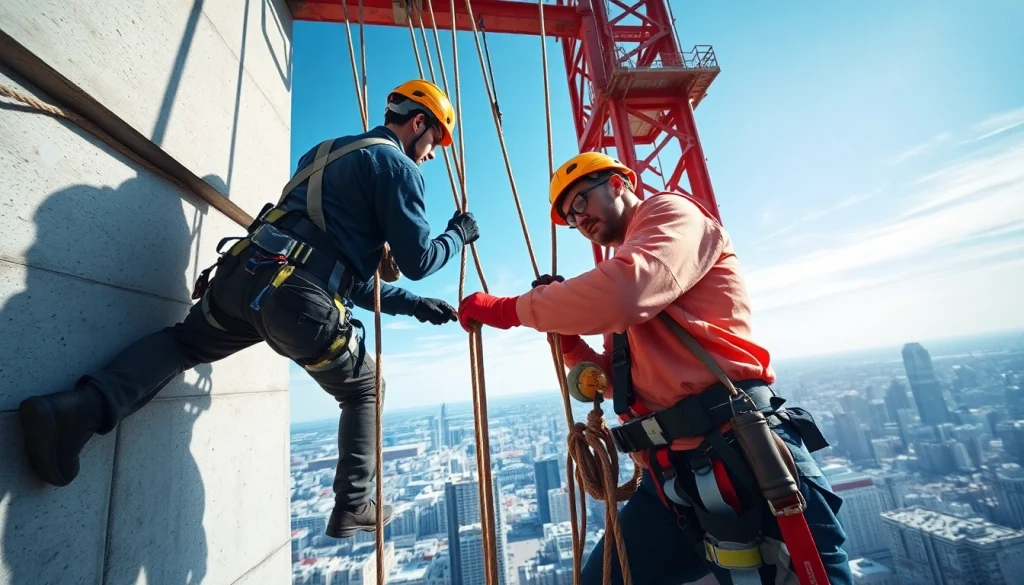
Understanding Rope Access Companies
What are Rope Access Companies?
Rope access companies specialize in providing advanced access solutions for projects that require the performance of tasks at height. Utilizing techniques derived from rock climbing and industrial abseiling, these companies deploy trained technicians who work on ropes to inspect, maintain, and repair hard-to-reach assets. The methodology ensures that a project can be completed efficiently and safely without the need for more cumbersome access equipment like scaffolding or lifts.
The technicians employed by rope access companies undergo rigorous training and certification processes designed to equip them with the necessary skills and knowledge to work safely at heights. This training often follows recognized industry standards, ensuring that personnel are proficient in both climbing techniques and safety protocols.
Benefits of Using Rope Access
Engaging rope access companies offers several advantages over traditional access methods:
- Cost-Effectiveness: Utilizing rope access can significantly reduce project costs. Setting up scaffolding or renting aerial lifts can be expensive and time-consuming. Rope access minimizes setup time and equipment costs.
- Flexibility: Rope access technicians can work in varied environments, from industrial facilities to high-rise buildings, allowing companies to simplify their logistics and adapt to different project needs.
- Efficiency: Technicians can often mobilize quickly and reach areas that are otherwise challenging to access, enabling quicker turnaround times on projects.
- Minimal Disruption: The characteristics of rope access work mean that disruptions to surrounding operations are minimized. Since crews often require less space than traditional access methods, the impact on the workplace or residential environments is reduced.
Common Industries Utilizing Rope Access
Rope access is commonly employed across a variety of industries due to its efficiency and flexibility. Here are some key sectors:
- Construction: Rope access is vital for installing and maintaining high structures, such as bridges and buildings, allowing contractors to efficiently work on elevations without scaffolding.
- Oil and Gas: In the oil and gas sector, rope access is used for inspections and maintenance of drilling rigs and offshore platforms, facilitating safety checks and repairs in challenging environments.
- Telecommunications: Telecom companies benefit from rope access for the installation and servicing of antennas and other equipment situated on cell towers.
- Entertainment: The entertainment industry employs rope access for rigging and maintaining large sets or equipment in the air during performances or events.
Key Services Offered by Rope Access Companies
Inspection and Maintenance Services
One of the core offerings of rope access companies is inspection and maintenance. These services encompass the following:
- Structural Inspections: Technicians can conduct detailed inspections of buildings, bridges, and other structures to identify issues such as corrosion, structural damage, or wear, ensuring compliance with safety standards.
- Non-Destructive Testing (NDT): Advanced techniques are employed for the inspection of materials without causing damage. This includes visual inspections, ultrasonic testing, and radiographic tests done safely at heights.
- Cleaning Services: Rope access companies often provide cleaning solutions for façades, particularly hard-to-reach areas, ensuring structures meet aesthetic and performance standards.
Installation and Repair Services
Rope access companies are also equipped to handle various installation and repair jobs, including:
- Infrastructure Repairs: This includes repairing roofs, gutters, and facades, as well as maintenance on high elevations where traditional access may be cumbersome.
- Equipment Installation: Rope access allows technicians to install various equipment, from HVAC units to signs, safely and efficiently.
- Painting and Coating: Specialized teams are often employed to paint, coat, or treat surfaces at heights, utilizing techniques that ensure a durable finish.
Emergency Response and Rescue Services
Many rope access companies also provide emergency response services, crucial for industries where quick action is needed. These services incorporate:
- Rescue Operations: In case of emergencies at height, trained technicians can perform rescue operations using specialized techniques and equipment, ensuring worker safety.
- Rapid Incident Assessment: Post-incident assessments can be rapidly conducted to evaluate safety conditions and recommend repairs or maintenance.
What to Look for in Rope Access Companies
Certifications and Safety Standards
When selecting a rope access company, verifying their certifications and adherence to safety standards is paramount. Trusted companies will typically have certifications from recognized organizations, such as the Industrial Rope Access Trade Association (IRATA) or the Society of Professional Rope Access Technicians (SPRAT). These certifications ensure that technicians have been trained in adequate safety and technical skills and that the company follows industry best practices.
Experience and Expertise
Evaluating the experience of a rope access company is critical. Companies with a successful track record of similar projects tend to have established procedures that enhance safety and effectiveness. Diving into client testimonials and case studies can provide deeper insights into their effectiveness and reliability in diverse environments.
Equipment and Technology Used
The equipment employed by rope access companies contributes significantly to the safety and efficiency of their operations. Investigate the type and standard of gear used, from harnesses to ropes and safety devices. High-quality, regularly inspected gear ensures that work can be completed safely and effectively.
Evaluating Quotes from Rope Access Companies
Cost Factors to Consider
When assessing quotes from rope access companies, there are multiple factors to consider beyond the initial price. Some of these include:
- Service Complexity: The complexity of tasks required can significantly influence the quote. More complicated projects often entail additional planning and specialized equipment.
- Time Estimates: Understanding the estimated duration of the project helps align expectations concerning costs and deliverables.
- Location: The geographical location of the project can impact costs, especially if the site is challenging to access or remote.
Breaking Down Service Packages
Service packages may be customized based on project requirements. Ensure clarity on what each package includes, such as the number of technicians assigned, equipment used, and the scope of services (e.g., inspections, maintenance, etc.). Clear delineation of service components will help avoid hidden costs that may arise later.
Comparing Value versus Price
Price alone should not be the only determining factor when selecting a rope access company. It is essential to evaluate the overall value offered, including technician experience, safety records, and the quality of service. A lower price may sometimes indicate compromises in quality or safety, making it crucial to assess the complete package before making a decision.
Ensuring Safety with Rope Access Companies
Best Practices for Safety Protocols
Safety protocols form the backbone of operations within rope access workspaces. Companies should adhere to established safety guidelines, regularly train staff on best practices, and perform routine safety audits. Emphasizing a culture of safety empowers technicians to work efficiently while minimizing risks.
Training Requirements for Technicians
Training is not a one-time event; it is an ongoing process. Quality rope access companies invest in the continuous education of their technicians, providing them opportunities to advance their skills and knowledge. Regular refresher courses, safety drills, and new skill certifications help maintain high safety standards.
Post-Project Safety Evaluations
After completing a project, performing a safety evaluation to review compliance with safety protocols is vital. This can help identify areas for improvement, reinforce lessons learned, and enhance future project safety. Continuous learning from past projects contributes to the overall improvement of safety measures in future work.