
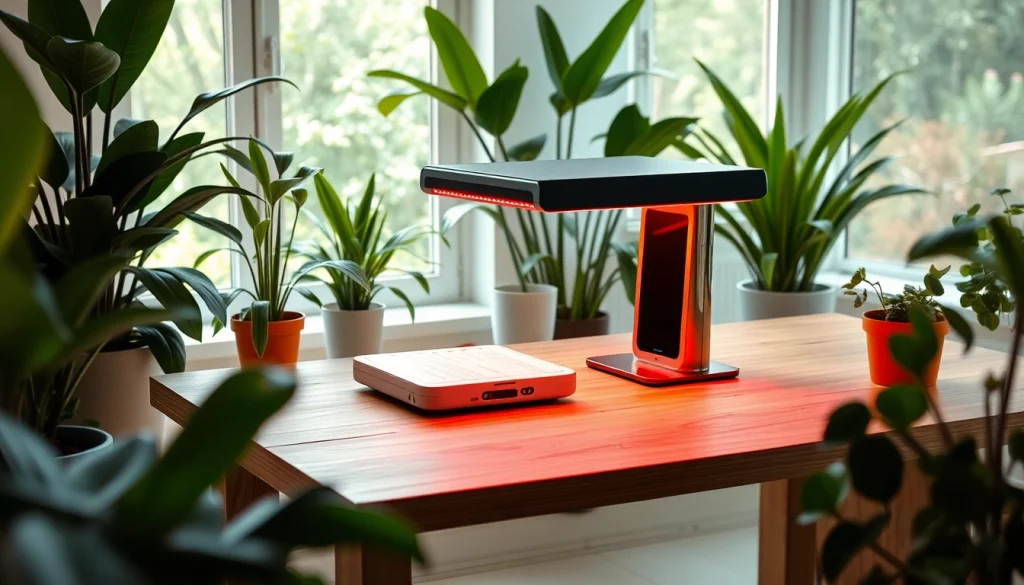
Understanding Red Light Therapy
What is Red Light Therapy?
Red light therapy (RLT) is a non-invasive treatment that uses specific wavelengths of red light to address various health and wellness concerns. It operates on the principle that exposure to red and near-infrared light can enhance cellular function and promote healing. While this therapy has gained popularity for its potential in beauty and skincare routines, it is also increasingly recognized for its beneficial effects on overall health, particularly in boosting mitochondrial function—the powerhouse of our cells.
How Red Light Therapy Works
RLT works by penetrating the deeper layers of skin and tissue, where it stimulates the mitochondria within cells. Mitochondria are responsible for producing adenosine triphosphate (ATP), the energy currency of the cell. When cells absorb red light, they can produce more ATP, leading to improved energy metabolism and cellular efficiency. This process triggers a cascade of biological responses, including increased circulation and reduced inflammation, translating into better healing and recovery.
Scientific Evidence Supporting Red Light Therapy
Numerous studies have documented the efficacy of red light therapy across a range of applications, from pain management to skin rejuvenation. Research indicates that RLT can benefit muscle recovery, enhance athletic performance, and alleviate conditions like arthritis. Moreover, meta-analyses have found that RLT positively impacts wound healing and reduces scarring. As more clinical trials emerge, especially in the field of mitochondrial health, the evidence supporting RLT continues to grow, fostering a deeper understanding of its benefits.
The Benefits of Mitochondrial Health
Importance of Mitochondria in the Body
Mitochondria play a crucial role in cellular respiration and energy production. As the body’s energy factories, they influence metabolic processes and contribute significantly to overall vitality. Healthy mitochondria are essential for optimal physical and cognitive functioning, affecting everything from endurance levels to mood regulation. On a cellular level, mitochondrial health is linked to aging, chronic illness, and the body’s ability to combat diseases.
How Red Light Therapy Boosts Mitochondrial Function
Research indicates that red light therapy can substantially enhance mitochondrial function. It aids in optimizing ATP production, thus improving energy levels. Additionally, RLT can stimulate mitochondrial biogenesis—the process through which new mitochondria are formed—thereby potentially reversing age-related declines in mitochondrial health. This rejuvenating effect not only boosts energy but also supports tissue repair and enhances athletic performance.
Common Mitochondrial Issues and Solutions
Individuals often experience mitochondrial dysfunction due to various factors, including aging, environmental toxins, poor diet, and sedentary lifestyles. Common mitochondrial issues can manifest as chronic fatigue, metabolic disorders, or cognitive decline. Solutions include incorporating red light therapy into health regimens, maintaining a balanced diet rich in antioxidants, and engaging in regular physical activity. Together, these approaches can help restore mitochondrial health and improve overall well-being.
Choosing the Right Red Light Therapy Device from https://www.biolight.shop
Device Types and Their Uses
The selection of the right red light therapy device is vital for achieving desired health and wellness outcomes. Available device types include handheld devices for localized treatments, panel devices for broader body coverage, and professional-grade machines used in medical settings. Each type serves specific purposes, such as skin rejuvenation, pain relief, or promoting healing in targeted muscular areas. Users should consider their individual needs and treatment goals when selecting a device from https://www.biolight.shop.
Key Features to Look For
When assessing red light therapy devices, key features to look for include wavelength, power output, and treatment area size. Optimal wavelengths for red light therapy typically fall between 600 – 900 nanometers. Devices with adjustable power settings allow users to tailor treatments according to their specific needs, ensuring the right dosage of energy. Additionally, consider devices with a larger treatment area, as they can provide more efficient and quicker sessions.
User Reviews and Experiences
User experiences can provide valuable insights into the effectiveness and practicality of RLT devices. Many users report noticeable improvements in skin texture, reductions in pain, and enhancements in overall energy levels. Positive feedback often highlights the ease of use and the therapeutic benefits experienced across various applications. Reading honest reviews can help potential buyers make informed decisions and choose products that have demonstrated success among others.
Integrating Red Light Therapy into Your Wellness Routine
Frequency and Duration Recommendations
Establishing a consistent red light therapy routine is crucial for maximizing its benefits. Generally, recommendations suggest using RLT devices 3-5 times a week, with each session lasting between 10 to 30 minutes, depending on treatment goals. It’s essential to note that individual responses may vary, and users should gradually adjust the frequency and duration of sessions based on personal experiences and specific needs.
Combining with Other Wellness Practices
To enhance the effects of red light therapy, consider integrating additional wellness practices such as nutrition, exercise, and mindfulness techniques. For instance, complementing RLT with a diet rich in antioxidants can bolster cellular repair processes while engaging in exercise can amplify mitochondrial function. Moreover, incorporating relaxation practices such as meditation can optimize mental health, providing a holistic approach to overall wellness.
Monitoring Progress and Results
Tracking progress is essential for assessing the effectiveness of red light therapy. Users can keep a journal to document changes in energy levels, pain intensity, skin condition, and overall well-being. Additionally, regular assessments through objective means—like physical performance tests or skin evaluations—can provide insights into improvements over time. This data-driven approach allows users to make necessary adjustments for optimal results.
Future of Red Light Therapy in Health and Wellness
Emerging Research and Innovations
The field of red light therapy is rapidly evolving, with ongoing research aiming to uncover its full potential. Emerging studies are exploring applications beyond traditional uses, including neuroprotection, anti-aging effects, and even treatment for PTSD. Innovations in technology and therapeutic approaches will continue to shape and expand how RLT is utilized in wellness, necessitating users to stay informed about the latest advancements.
Potential Applications Beyond Mitochondrial Health
While the primary focus on red light therapy has been centered around mitochondrial health, potential applications are rapidly broadening. Future research may unlock new avenues for using RLT in treating cognitive decline, improving sleep quality, and even aiding in athletic training. As the science continues to advance, the therapeutic landscape surrounding RLT will likely expand, paving the way for its applications in diverse health fields.
How to Stay Updated on Advancements
Staying updated on advancements in red light therapy can be achieved through diverse channels, such as specialized health newsletters, scientific publications, and online forums. Engaging in communities focused on RLT allows users to share experiences and insights. Furthermore, attending relevant workshops and conferences can provide access to cutting-edge research and expert opinions, ensuring that individuals remain informed about developments in the field.