Understanding Outdoor Gym Equipment Essentials
As the benefits of fitness extend beyond the walls of traditional gyms, outdoor gym equipment has emerged as an essential component to promote a healthier lifestyle in communities worldwide. Designed to withstand the elements, this equipment caters to people of all ages and fitness levels, encouraging outdoor activity. By providing a diverse range of options, Outdoor Gym Equipment allows individuals to engage in strength training, cardiovascular workouts, and flexibility exercises all in one location.
What is Outdoor Gym Equipment?
Outdoor gym equipment refers to a collection of fitness machines and apparatus located outside, often in parks or recreational areas. Unlike traditional gym workout machines, outdoor equipment is usually constructed with durable, weather-resistant materials to withstand harsh conditions. These installations often include various stations designed to facilitate different types of workouts, including bodyweight exercises, resistance training, and cardiovascular activities, promoting a holistic approach to fitness.
Benefits of Using Outdoor Gym Equipment
The growing popularity of outdoor gym equipment is largely due to its numerous benefits:
- Accessibility: Outdoor gyms are often free to the public and located in easily accessible areas, eliminating barriers that might prevent individuals from pursuing fitness.
- Community Engagement: By providing a shared space for physical activity, outdoor gyms foster community interaction and support.
- Variety of Exercises: These facilities typically include diverse equipment and stations, allowing for a comprehensive workout without the limitations of a traditional gym.
- Connection with Nature: Exercising outdoors can enhance mood and motivation, contributing positively to mental well-being.
Key Components of Outdoor Gym Equipment
The design of outdoor gym equipment typically includes the following key components:
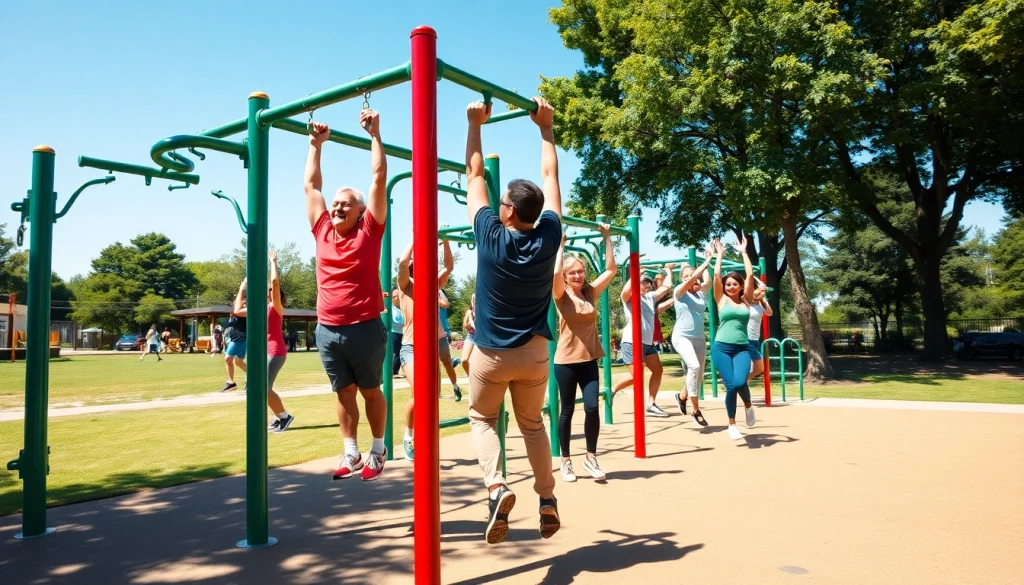
- Strength Training Equipment: Stations designed for bodyweight exercises such as pull-ups, push-ups, and dip bars help individuals build and maintain muscle strength.
- Cardiovascular Machines: Items like elliptical trainers, stationary bikes, and treadmills encourage cardiovascular endurance and help improve overall fitness levels.
- Flexibility Apparatus: Equipment such as stretch bars and balance beams promote flexibility and stability, enhancing body function and reducing injury risk.
- Combination Stations: These versatile installations often merge multiple workout types into a single station, promoting full-body workouts and efficient space utilization.
Types of Outdoor Gym Equipment for Various Needs
The diversity of outdoor gym equipment caters to various fitness objectives, ensuring that all individuals can find suitable options regardless of their goals. Here we break down the equipment available based on specific workout needs.
Strength Training Outdoor Gym Equipment
Strength training is vital for building muscle, boosting metabolism, and improving overall physical aesthetics. Outdoor gym equipment for strength training typically includes:
- Pull-Up Bars: These multifunctional bars allow for various exercises, such as chin-ups, pull-ups, and hanging leg raises.
- Parallel Bars: Used for dips and leg lifts, these bars strengthen the upper body and core.
- Weight Resistance Stations: Some outdoor gyms offer machines that incorporate weight stacks or resistance bands to enhance strength workouts.
- Balance Beams: These can help build core strength and stability, essential for overall fitness.
Cardiovascular Outdoor Gym Equipment
To promote cardiovascular health, outdoor gyms often feature:
- Elliptical Trainers: Provides a low-impact cardio option to help improve endurance without straining the joints.
- Exercise Bikes: Ideal for cyclists, these can be upright or recumbent, allowing users to mimic a cycling experience.
- Rowing Machines: Targeting multiple muscle groups, rowing machines offer an intense cardio workout that also emphasizes strength.
- Stair Climbers: Efficient at targeting the legs and glutes while improving cardiovascular fitness.
Flexibility and Balance Outdoor Gym Equipment
Flexibility is often overlooked in fitness, but having outdoor gym equipment that focuses on this aspect can greatly enhance overall movement quality:
- Stretch Stations: Often equipped with various apparatus, these stations are designed for guided stretching exercises.
- Balance Boards: Great for improving stability and coordination, balance boards can enhance athletic performance and prevent falls.
- Yoga Stations: Designated areas equipped with mats or specific structures support exercises that promote flexibility, core strength, and mindfulness.
Setting Up an Outdoor Gym: Considerations
Creating an effective outdoor gym requires careful planning and consideration of several factors that will ensure safety, accessibility, and ease of use.
Location and Space Planning for Outdoor Gym Equipment
The selection of an appropriate location for outdoor gym equipment is critical:
- Accessibility: Choose a site that is easily reachable by the community, ensuring foot traffic and encouraging use.
- Space Requirements: Assess the available area to determine how much equipment can fit without overcrowding. Each station must allow for sufficient space around it for safe usage.
- Sunlight and Shade: Providing a mix of sunny and shaded areas can enhance user comfort, particularly during extreme weather conditions.
Safety Measures for Outdoor Gym Equipment
Implementing safety measures protects users and ensures the long-term viability of the equipment:
- Surface Materials: Use safe, shock-absorbent materials for surfaces to prevent injuries from falls. Rubber mats or grass are excellent options.
- Maintenance Checks: Regular inspection and maintenance help identify wear and tear, ensuring all equipment remains functional and safe.
- Instructions and Signage: Clear instructions on how to use each piece of equipment can help prevent misuse and accidents.
Maintenance of Outdoor Gym Equipment
Consistency in maintenance is fundamental for durability and user safety:
- Routine Checks: Develop a maintenance schedule checking for resiliency, rust, or potential hazards.
- Cleaning Protocols: Regularly clean the equipment to prevent graffiti, dirt buildup, and corrosion from weather elements.
- Community Engagement: Encourage local volunteers to participate in equipment maintenance to foster a sense of ownership and accountability.
Effective Workouts Using Outdoor Gym Equipment
Outdoor gym equipment provides a unique opportunity for varied and engaging workouts that can be tailored to individual needs. Knowing how to maximize these stations can enhance fitness results.
Creating a Balanced Workout Routine
A balanced workout routine incorporates strength, cardiovascular, and flexibility training. To create an effective regimen:
- Warm-Up: Start with dynamic stretches to prepare muscles and joints for the workout.
- Strength Training: Choose a combination of strength stations focusing on major muscle groups, allocating sufficient time for recovery.
- Cardio Interval Training: Incorporate cardiovascular exercises in intervals for enhanced calorie burning and cardiovascular health.
- Cool Down: End with static stretches to promote flexibility and reduce the risk of muscle soreness.
Group Activities and Classes with Outdoor Gym Equipment
Group workouts can enhance motivation and accountability. Here’s how outdoor gym equipment can be utilized in group settings:
- Fitness Classes: Conduct organized classes, catering for various fitness levels while utilizing different equipment.
- Outdoor Challenges: Create friendly competitions that engage the community and encourage regular participation.
- Team Building Activities: Use equipment for team-building exercises, enhancing motivation and collaboration.
Tracking Progress with Outdoor Gym Equipment
Measuring progress is essential to stay motivated and reach fitness goals. Effective tracking can be done in various ways:
- Exercise Logs: Keep a workout journal to log exercises, set goals, and track improvements.
- Fitness Apps: Use technology to monitor heart rates, distances, and workout intensity.
- Community Collaboration: Share progress with fellow participants to build accountability and spirit.
Community Engagement with Outdoor Gym Equipment
Building a community around outdoor gym equipment creates a supportive environment for fitness and overall wellness. Here are some strategies to foster engagement:
Organizing Local Fitness Events
Community fitness events serve as a fun and engaging way to motivate residents to utilize outdoor gym equipment. Some ideas include:
- Fitness Festivals: Host multi-day events with fitness classes, workshops, and competitions featuring outdoor gym equipment.
- Themed Workouts: Create classes like “Boot Camp” or “Yoga in the Park” that capitalize on the outdoor setting.
- Seasonal Challenges: Implement seasonal fitness challenges that encourage community participation and social interaction.
Inclusivity in Outdoor Gym Equipment Usage
Ensuring that outdoor gym equipment meets the needs of everyone is crucial for community engagement:
- Universal Accessibility: Design installations that accommodate people with disabilities, allowing everyone to benefit from outdoor fitness.
- Family-Friendly Options: Develop spaces where children can play safely as their parents engage in workouts simultaneously.
- Promoting Group Activities: Organize classes and events that are welcoming to all, helping to break down social barriers.
Promoting a Healthier Lifestyle through Outdoor Gym Equipment
Encouraging a culture of fitness enhances the overall health of communities:
- Educational Workshops: Offer classes that teach nutrition, wellness, and fitness techniques.
- Community Partnerships: Collaborate with local health organizations to promote fitness and lifestyle initiatives.
- Online Engagement: Utilize social media platforms to share successes and encourage participation in outdoor gym activities.