
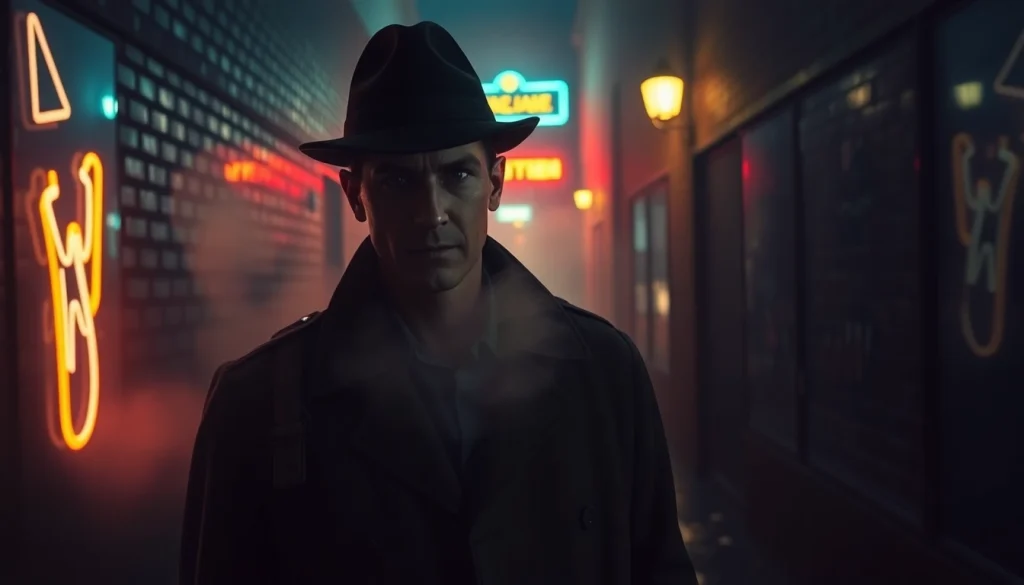
Introduction to Thriller Genre
The Thriller genre stands as one of the most beloved and widely appreciated types of storytelling. It encompasses a broad spectrum of narratives designed to provoke feelings of suspense, excitement, and tension. Whether experienced through literature, film, or television, thrillers captivate audiences by immersing them in tales that often blur the lines between reality and fiction, leading them on a rollercoaster of emotions. In this article, we will dive deep into what defines a thriller, explore its historical context, examine popular subgenres, dissect the elements that create compelling narratives, and analyze its impact on our culture and media.
What Defines a Thriller?
A thriller is characterized by its intense suspense, dramatic tension, and pace that keeps the audience on the edge of their seats. This genre often features high stakes, where the protagonist faces significant risks that can result in life-altering consequences. The thrill usually stems from conflict and uncertainty, often involving criminal activities or perilous situations. The unpredictable nature of thrillers draws readers and viewers in, compelling them to keep guessing until the final moments. In essence, the crux of a thriller lies in its ability to evoke fear, anticipation, and urgency in its audience.
Key Elements of Thrillers
Though the Thriller genre is diverse and varied, several key elements are often present:
- Suspense: The backbone of any thriller, suspense keeps viewers guessing and anxious about what will happen next.
- High Stakes: Whether it’s life or death, personal secrets, or societal collapse, the stakes are always high.
- Protagonist and Antagonist: Thrillers typically revolve around a clash between a compelling protagonist and a formidable antagonist, often leading to a dramatic confrontation.
- Plot Twists: Unexpected turns and reveals that shake up the narrative and add layers to the story.
- Atmosphere: A tense or foreboding atmosphere that permeates the narrative, often through vivid descriptions or score in film.
Historical Context of Thriller
The origins of the thriller genre can be traced back to early detective stories, crime fiction, and gothic horror works. One can see influences from authors like Edgar Allan Poe, whose works incorporated elements of mystery and psychological tension. The thriller genre has since evolved, gaining momentum in the early 20th century with the advent of motion pictures, where suspense-building techniques became pivotal to cinematic storytelling. Films such as Alfred Hitchcock’s works laid the foundation for the modern thriller, blending psychological themes with dazzling visual techniques that enthralled audiences and changed how stories were told. Today, thrillers continue to thrive in various forms, reflecting society’s anxieties and thrills, adapting to new media and cultural shifts.
Popular Subgenres of Thriller
Psychological Thrillers
Psychological thrillers delve deep into the human mind, showcasing the internal struggles and conflicting emotions of characters. These stories often blur the lines between sanity and insanity, taking readers on mind-bending journeys filled with anxiety and tension. The protagonists may grapple with their fears or unravel dark secrets, leading to complex and engaging narratives. Books and films like “Gone Girl” and “Black Swan” exemplify how psychological thrillers can leave audiences questioning their understanding of reality.
Action Thrillers
Action thrillers are driven by adrenaline-pumping sequences and fast-paced plots that often include chases, fights, and intense confrontations. These thrillers focus more on physical confrontations than psychological exploration, but they still maintain a level of suspense and intrigue. Featuring elements such as espionage, heists, and conspiracies, these stories often lead to explosive climaxes. Popular examples include films like “Die Hard” and “Mad Max: Fury Road,” which combine thrilling action with engaging storylines.
Crime and Mystery Thrillers
Crime and mystery thrillers revolve around investigating a crime, delving into the motives behind it, and uncovering hidden truths as the plot unfolds. Readers are often presented with a puzzle to solve alongside the protagonist, with various plot twists designed to mislead them until the climax. These narratives excel in keeping audiences engaged and invested in the outcome. Classics like “The Girl with the Dragon Tattoo” and television series such as “True Detective” serve as prime examples of effective crime and mystery thrillers.
Crafting Compelling Thriller Narratives
Building Suspense and Tension
When crafting a thriller, the establishment of suspense and tension is paramount. Writers must carefully control the flow of information given to the audience, revealing crucial details at just the right moments to keep them engaged. Techniques such as pacing, cliffhangers, and foreshadowing can significantly enhance the suspenseful atmosphere throughout the narrative. Experts recommend employing unreliable narrators or planting seeds of doubt within the storyline to heighten anticipation and unease.
Developing Engaging Characters
In any thriller, characters are central to engaging the audience. The protagonist should be relatable yet flawed, providing a canvas for growth amid adversity. Conversely, a well-developed antagonist can serve to heighten tension and conflict. Crafting a compelling backstory can provide readers with context for characters’ actions and motivations. Complex relationships among characters can also add layers to the narrative, allowing for emotional investment from the audience throughout the plot’s ups and downs.
Effective Plot Twists in Thrillers
Plot twists are often the hallmark of a successful thriller. They can transform the audience’s perspective on the narrative, revealing hidden truths and altering the trajectory of the story. It is important to lay the groundwork for these twists subtly, ensuring they feel logical and not forced. Effective twists play on the audience’s expectations and redefine their understanding of the characters and plot, leading to a compelling and memorable experience.
The Impact of Thrillers in Media
Thrillers in Literature
Thrillers have made their mark on literature, creating a rich tapestry of stories that continue to captivate readers. Authors such as Agatha Christie, Stephen King, and Gillian Flynn have mastered the art of suspense and intrigue, producing works that have become timeless classics. The proliferation of e-books, audiobooks, and subscription reading platforms has made thriller literature more accessible than ever, allowing diverse voices and stories to reach wider audiences. Today, readers are treated to a vast assortment of thrillers that reflect contemporary societal issues while still delivering those heart-pounding moments that define the genre.
Thrillers in Film and Television
The film and television industries have a long history of experimenting with the thriller genre, leading to some of the most iconic moments in cinematic history. Movies like “Psycho” and “The Silence of the Lambs” showcase psychological tension, while series like “Mindhunter” and “Breaking Bad” explore moral dilemmas and crime in captivating ways. The rise of streaming platforms has led to a resurgence of thriller content, with numerous original miniseries and films making waves in popular culture. Audiences crave the adrenaline rush of thrillers, and creators are continually finding innovative ways to blend genres and storytelling techniques to keep the thrill alive.
Cultural Influence of Thrillers
The impact of thrillers extends beyond mere entertainment; they also serve as reflections of societal anxieties, fears, and behaviors. As we engage with these stories, audiences find a means of exploring darker themes and complex human emotions, often leading to deeper conversations about morality, justice, and the human condition. The genre’s ability to adapt to changing social landscapes has allowed thrillers to maintain relevance while addressing contemporary issues, such as technology, crime, and personal identity. This cultural significance underscores the genre’s unique position within the larger narrative fabric of storytelling.
Analyzing Thrillers for All Ages
Thrillers for Younger Audiences
Thrillers can also be tailored for younger audiences, allowing for age-appropriate exploration of suspense and mystery without delving deep into mature themes. Children’s literature and family films often incorporate elements of thrillers in a way that is relatable and engaging, sparking curiosity while maintaining a sense of safety. Stories like “Harry Potter” and “The Westing Game” create intrigue and tension that young readers can experience, fostering a love for the genre from an early age.
Mature Themes in Thrillers
On the flip side, many thrillers venture into mature themes that challenge adult audiences. Topics such as violence, betrayal, and moral ambiguity are often explored, prompting reflection and discussion. These stories frequently navigate complex emotional landscapes, allowing audiences to confront their fears and examine their values in a safe environment. As society grapples with evolving issues, thrillers can provide a lens through which to explore the intricacies of human behavior and societal norms.
The Future of Thriller Genre
As storytelling continues to evolve, so too will the thriller genre. New technologies, narrative formats, and cultural shifts influence how stories are told and experienced. The rise of interactive storytelling, virtual reality, and transmedia narratives opens up exciting avenues for thrillers, allowing audiences to engage in unique ways. The future holds endless possibilities, as creators draw inspiration from diverse perspectives to push boundaries and redefine what a thriller can be. With the adaptability of the genre and its innate ability to captivate audiences, the thriller is sure to remain a fundamental part of our literary and entertainment landscape.