
- Understanding Structural Steel Fabrication Basics
- Best Practices for Structural Steel Fabrication
- Innovative Technologies Influencing Structural Steel Fabrication
- Addressing Common Challenges in Structural Steel Fabrication
- Measuring Success in Structural Steel Fabrication
- Frequently Asked Questions
Understanding Structural Steel Fabrication Basics
What is Structural Steel Fabrication?
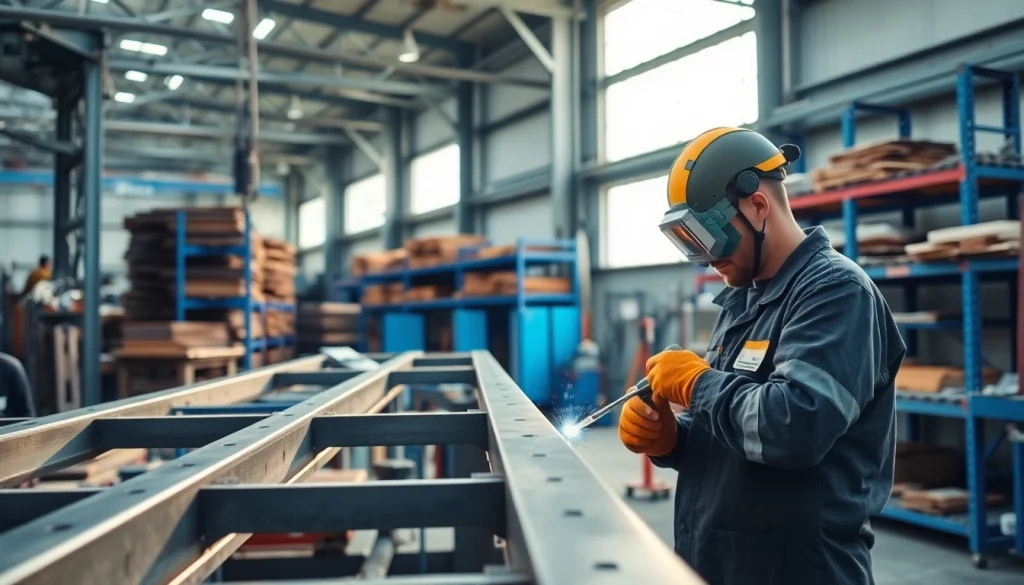
Structural steel fabrication is the process of manufacturing steel components used in construction. This intricate process transforms raw steel into usable forms like beams, columns, and trusses which are then assembled to create sturdy structures. The fabrication process includes designing, cutting, welding, and assembling these structural elements to ensure that they meet the rigorous demands of engineering specifications and safety standards. Through effective structural steel fabrication, builders can ensure their projects are not only durable but also economically efficient.
Key Components in Structural Steel Fabrication
The core components of structural steel fabrication include:
- Raw Materials: Steel in various forms such as plates, bars, and tubes, sourced based on strength and durability requirements.
- Machinery: Equipment such as CNC machines, plasma cutters, and welding tools that facilitate precise transformations of raw materials.
- Labor Force: Skilled workers who handle the machinery, ensure quality control, and manage the installation processes.
- Design Plans: Detailed blueprints and CAD drawings that guide the fabrication process and assist in structural analysis.
The Role of Fabrication in Building Projects
Fabrication plays a pivotal role in the construction of buildings, bridges, and other infrastructures. By transforming raw steel into predetermined shapes and sizes, it allows for standardization and rapid assembly on-site. Furthermore, effective fabrication processes can significantly reduce construction time, increase safety by minimizing on-site work, and ensure a higher level of quality control. The synergy between fabrication and construction enhances project integrity from the ground up.
Best Practices for Structural Steel Fabrication
Choosing the Right Materials for Structural Steel Fabrication
Selection of materials is critical in the fabrication process. Factors such as mechanical properties, corrosion resistance, and load-bearing capacities must be considered. Common steel grades used in fabrication include:
- A36 Steel: This mild steel variant offers good weldability and is suitable for general structural purposes.
- A992 Steel: Specifically designed for use in construction, it is known for its strength and better resistance to corrosion.
- Stainless Steel: Used in challenging environments, this material retains its integrity in extreme conditions.
Evaluating these materials against project requirements can prevent issues in later stages and ensure long-term durability.
Techniques That Improve Fabrication Quality
The following fabrication techniques enhance the overall quality and performance of structural components:
- Precision Cutting: Utilizing laser or plasma cutting technologies for accuracy in component dimensions.
- TIG and MIG Welding: Applying appropriate welding techniques to ensure strong joints while minimizing defects.
- Surface Treatments: Implementing coatings like galvanization or powder coating to protect against rust and wear.
Safety Standards in Structural Steel Fabrication
Safety in fabrication facilities is paramount. Implementing stringent safety standards includes:
- Personal Protective Equipment (PPE): Ensuring workers wear appropriate gear like helmets, gloves, and eye protection.
- Training Programs: Regular training sessions for safety protocols, machine usage, and emergency procedures.
- Assessment and Audit: Conducting periodic safety audits to identify and mitigate hazards in the workplace.
Follow these practices to foster a safer working environment, minimize risks, and increase operational efficiency.
Innovative Technologies Influencing Structural Steel Fabrication
CAD Software in Structural Steel Fabrication
Computer-Aided Design (CAD) software is revolutionizing the structural steel fabrication landscape. These programs allow fabricators to create detailed 2D and 3D models that facilitate easier visualization and alterations before beginning fabrication. Features such as automatic dimensioning and the ability to simulate load testing enable designers to optimize designs for strength and efficiency, effectively reducing rework.
Precision Tools for Enhanced Fabrication
Precision tools enhance the fabrication process by ensuring accuracy and reducing the margin of error. Tools like CNC machines and robotic arms allow for automation of repetitive tasks, resulting in higher productivity levels. Incorporating these tools can lead to notable time savings and improved overall fabrication quality.
Automation Trends in Structural Steel Fabrication
Automation is increasingly prevalent in structural steel fabrication, driving advancements in speed and efficiency. New technologies such as robotic welding and automated inventory systems streamline operations and reduce labor dependency. While initial setup costs may be high, companies often see a significant return on investment through increased production rates and lower operational costs in the long run.
Addressing Common Challenges in Structural Steel Fabrication
Managing Costs in Structural Steel Fabrication Projects
Cost management is crucial in structural steel projects. Factors such as fluctuating steel prices, labor costs, and project scope changes can significantly impact budgets. Implementing strategies like detailed project planning, using digital project management tools, and fostering supplier relationships can help control expenses and mitigate financial risks.
Minimizing Waste and Maximizing Efficiency
Effective waste management strategies include:
- Lean Manufacturing: Adopting lean principles ensures every resource is utilized effectively, reducing excess waste.
- Material Optimization: Using advanced software tools to analyze cuts and yield can significantly reduce off-cuts and scrap.
- Recycling Scrap Metal: Establishing recycling processes for scrap can also create an additional revenue stream while promoting sustainability.
Resolving Communication Issues in Fabrication Teams
Clear communication is vital for the success of any fabrication project. Implementing communication platforms ensures that all team members, from designers to fabricators, have access to updated information. Regular meetings to discuss project progress and challenges can foster collaboration and alignment, thereby improving overall efficiency and morale.
Measuring Success in Structural Steel Fabrication
Performance Metrics for Fabrication Projects
Measuring the success of structural steel fabrication projects involves tracking key performance indicators (KPIs) such as:
- Production Time: Time taken from initial design to finished product.
- Quality Control Pass Rates: Percentages of components meeting quality standards on the first inspection.
- Cost Variance: Differences between expected and actual costs, indicating budget adherence.
Quality Control Procedures in Structural Steel Fabrication
Quality control is essential to ensure fabricated components meet industry standards. Procedures may include:
- Visual Inspections: Conducting thorough visual checks at various stages of fabrication.
- Material Testing: Implementing tests for tensile strength, weld quality, and fatigue resistance.
- Documentation: Maintaining accurate records of inspections and tests performed to ensure accountability.
Customer Feedback and Its Role in Improvement
Collecting and analyzing customer feedback can provide insights into how to improve fabrication processes. Establishing a feedback loop enables fabricators to identify common issues, adapt practices, and continually enhance quality and efficiency. Through this iterative process, companies can build a reputation for reliability and excellence in their field.
Frequently Asked Questions
What are the main steps in structural steel fabrication?
The main steps include design, cutting, bending, welding, and assembly, ensuring precision and quality at each stage.
How does structural steel fabrication affect construction timelines?
Efficient structural steel fabrication can significantly reduce construction timelines by providing ready-to-install components.
What safety measures are crucial in structural steel fabrication?
Crucial safety measures include protective gear, training on machinery, and compliance with industry standards to minimize risks.
Can automation improve structural steel fabrication?
Yes, automation enhances precision, speeds up production processes, and reduces labor costs in structural steel fabrication.
What challenges arise in structural steel fabrication projects?
Common challenges include cost management, waste reduction, and ensuring clear communication among fabrication teams.