
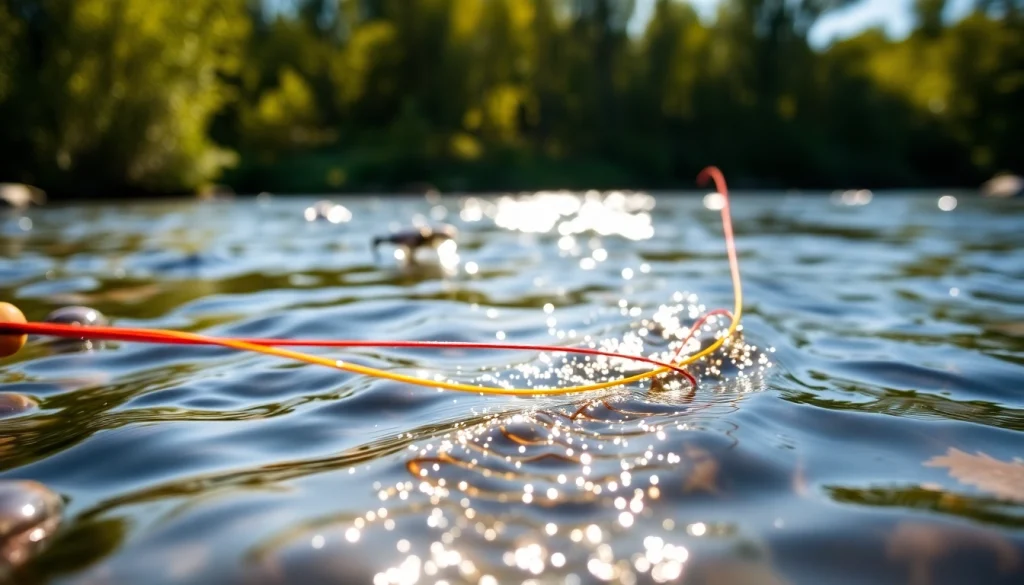
Understanding the Basics of Fly Fishing Line
When embarking on the journey of fly fishing, one of the most critical components to grasp is the Fly fishing line. This line acts as a lifeline between the angler and the fish, impacting not only how effectively one can catch fish but also enhancing the overall fishing experience. Dive into this comprehensive guide to uncover the nuances of fly fishing lines.
What is Fly Fishing Line?
Fly fishing line is specifically designed to carry the fly and enable the angler to cast it effectively. Unlike traditional fishing lines, which are typically thinner and lighter, fly lines are thicker and heavier, allowing them to float on the water’s surface or sink to varying degrees depending on the type of line. The construction of these lines is pivotal for casting distance, accuracy, and the ability to present the fly in a manner that appeals to fish.
Types of Fly Fishing Line
There are several types of fly fishing lines, each tailored to different fishing scenarios. Understanding these types can help you select the right one for your needs:
- Floating Lines: These are the most common and necessary for dry fly fishing. They can also be used with nymphs or wet flies.
- Sinking Lines: Designed to sink immediately, these lines help present flies at varied depths, essential for targeting fish that feed below the surface.
- Intermediate Lines: These lines sink slowly, allowing for a more versatile presentation in shallow waters.
- Weight-Forward Lines: Equipped with a heavier front section, these lines help load the rod more effectively, enhancing distance and control.
- Double-Taper Lines: These lines feature a tapered design on both ends, making them ideal for delicate presentations.
Choosing the Right Weight and Taper
The weight of the fly line is crucial, as it needs to match the rod and the type of fishing being performed. Most fly lines are classified by weight from 1 to 12, with lower numbers suited for smaller fish and higher weights designed for larger species. Taper also plays a considerable role—the taper profile impacts casting performance and fly presentation. Generally, the three main taper types are:
- Weight Forward (WF): Designed for distance casting and fast action rods.
- Double Taper (DT): Ideal for short casts and delicate presentations.
- Shooting Taper: Suitable for long-distance casts, these lines can shoot through the guides efficiently.
Benefits of Quality Fly Fishing Line
Investing in quality fly fishing line has significant benefits that can drastically improve your fishing experience.
Impact on Casting Distance
The quality of your fly fishing line directly impacts casting distance. Premium lines are designed to deliver high performance; they reduce drag and enhance casting efficiency. A robust line will create a streamlined cast, allowing anglers to cover larger distances with minimal effort.
Enhancing Sensitivity and Control
Good-quality fly fishing lines provide better sensitivity, allowing anglers to feel subtle movements on the line. This is particularly beneficial when fishing for species that may be shy or cautious. Enhanced control means you can make precise placement of your fly, leading to more successful hookups.
Durability and Weather Resistance
Durability is critical considering the wear and tear that lines experience from various environmental factors. Quality fly fishing lines are constructed with advanced materials that ensure longevity and resistance to UV rays, saltwater, and abrasion, making them suitable for a variety of fishing conditions.
Tips for Selecting the Best Fly Fishing Line
Choosing the right fly fishing line can be overwhelming due to the multitude of options available. Here are some expert tips to help you make an informed decision:
Assessing Your Needs and Environment
Before purchasing a line, consider the specific environment where you will be fishing. Different conditions, such as freshwater versus saltwater, or still waters versus rivers, may require different types of lines. Assessing these factors will guide you in selecting the most suitable line.
Understanding Taper Profiles
Taper profiles not only affect casting but also how your fly behaves in the water. Take the time to learn about different tapers and how they can affect your fishing strategy. For instance, using a DT line might be beneficial for delicate presentations in calm waters.
Matching Line to Rod and Reel
Ensuring compatibility between your fly line, rod, and reel is essential for optimal performance. Pay attention to the weight classifications and recommendations to enhance your overall casting efficiency.
Common Mistakes with Fly Fishing Line
Many anglers, especially those new to fly fishing, make common mistakes that can lead to frustration. Understanding these pitfalls can improve your fishing experience.
Using the Wrong Weight
One of the most significant errors is using a line that does not match the weight of the rod. This mismatch can lead to poor casting performance and reduced success in catching fish. Always double-check weight recommendations before making a purchase.
Ignoring Line Maintenance
Regular maintenance is essential for prolonging the life of your fly line. Clean your line after each use to remove dirt and debris, and periodically apply a conditioner to maintain its performance. Neglecting line care can significantly reduce functionality.
Overlooking Casting Techniques
Even the best fly fishing line won’t perform well if casting techniques are inadequate. Ensure to practice proper techniques and consider taking lessons to enhance your skills. Focus on your casting rhythm and accuracy, which are vital for successful fishing.
Frequently Asked Questions about Fly Fishing Line
What is the ideal weight for fly fishing line?
The ideal weight for fly fishing line matches the weight of your rod. Generally, lighter fly lines (1-4) are for small trout, while heavier lines (6-12) are suitable for larger species.
How often should I replace my fly fishing line?
It’s advisable to check your fly fishing line regularly for wear. Replace it every two years or when significant signs of usage appear, such as fraying or cracking.
What conditions affect fly line performance?
Temperature, humidity, and water condition can all influence fly line performance. Warmer temperatures might cause lines to stretch or lose elasticity over time.
How do I care for my fly fishing line?
Regularly clean your fly fishing line with warm, soapy water and rinse thoroughly. Store it in a cool, dry place away from direct sunlight to prevent damage.
Can I use one line for different types of fishing?
While it’s possible to use a single fly fishing line for various scenarios, it’s best to have specialized lines that cater to specific fishing types for optimal performance.