
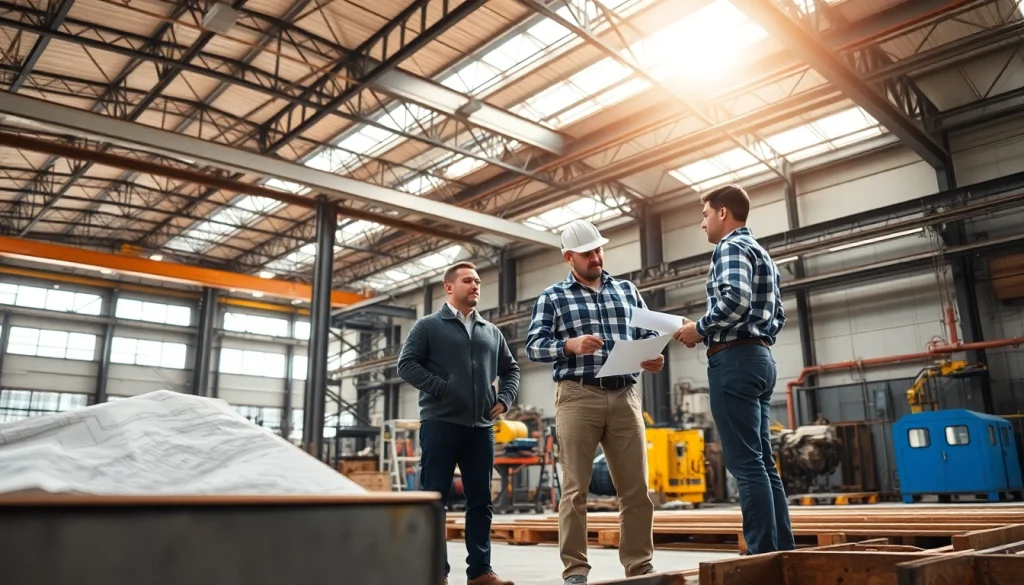
Understanding Structural Steel Fabrication
Structural steel fabrication is a pivotal process in the construction industry, providing the essential framework for buildings and infrastructure. This process involves the transformation of raw steel into structural components tailored for specific applications. The quality and precision of structural steel fabrication are fundamental, as these factors significantly influence the strength and longevity of structures. For a deeper exploration of structural steel fabrication, let’s delve into its definition, importance, and varied applications.
What is Structural Steel Fabrication?
At its core, structural steel fabrication is the creation of steel components that are designed for use in building and construction projects. This process typically involves several stages, including cutting, shaping, and assembling steel materials to meet specific design specifications. Fabrication can involve various forms of steel, including beams, columns, and connections, each with distinct properties and usages. The construction industry relies on structural steel for its robustness, ease of assembly, and adaptability to various designs, making it a preferred material for modern engineering projects.
Importance of Quality in Fabrication
The quality of structural steel fabrication is crucial for several reasons. High-quality fabrication ensures that the structural components can withstand environmental stresses, support loads, and remain durable over time. Poorly fabricated steel can lead to structural failures, unsafe conditions, and costly delays in construction. Quality assurance in fabrication includes material selection, precision in construction, and adherence to industry standards and codes. Employing stringent quality control measures not only enhances the safety and reliability of the final product but also bolsters the reputation of fabrication firms.
Common Applications of Structural Steel
Structural steel finds application across a myriad of sectors, including:
- Commercial Buildings: From skyscrapers to retail spaces, structural steel serves as the backbone for various commercial structures.
- Bridges: Steel is commonly used in bridge construction due to its high strength-to-weight ratio.
- Industrial Frameworks: Factories and warehouses utilize steel structures for their robust and adaptable designs.
- Residential Buildings: Increasingly, residential projects are incorporating steel for its modern aesthetic and strength.
- Infrastructure Projects: Roads, railways, and airports often rely on steel for durability and structural integrity.
Equipment and Tools for Fabrication
Essential Machinery Used in Structural Steel Fabrication
To achieve high-quality structural steel fabrication, various machinery and tools are employed, including:
- Plasma Cutters: Used for precise and clean cuts in steel plate or sheet metal.
- Profile Cutters: These machines cut steel to specific profiles, which is essential for custom projects.
- Bending Machines: Vital for shaping steel into curves or angles as per design requirements.
- Welding Equipment: Crucial for joining steel components together with strong, reliable seams.
- Drilling Machines: Used for creating holes in steel for bolts and connections.
Innovations in Fabrication Technology
The structural steel fabrication industry is witnessing rapid advancements in technology, which are enhancing efficiency, safety, and quality. Innovations such as:
- BIM (Building Information Modeling): Helps architects and engineers visualize projects digitally before construction, minimizing errors.
- Robotics and Automation: Facilitate quicker fabrication processes and improve precision in cutting and welding.
- 3D Printing: Emerging in certain areas of fabrication, allowing for rapid prototyping of components.
- CAD (Computer-Aided Design): Essential for designing intricate steel components with high accuracy.
Safety Practices When Using Fabrication Tools
Safety in structural steel fabrication is non-negotiable. Adopting best practices is vital to minimize risks and ensure a safe working environment. Key safety practices include:
- Personal Protective Equipment (PPE): Ensure that all workers wear suitable PPE, including helmets, gloves, goggles, and steel-toed boots.
- Training Programs: Regular safety training for all workers on the proper use of machinery and tools.
- Risk Assessments: Conduct thorough risk assessments before starting new projects to identify potential hazards.
- Machine Safety Checks: Regularly maintain and inspect equipment to prevent malfunctions that could lead to accidents.
Fabrication Process: Step-by-Step Guide
Designing Structural Steel Projects
Designing a structural steel project involves a collaborative approach between architects, engineers, and fabricators. It begins with conceptual designs, which evolve into detailed blueprints that outline every aspect of the project. Key considerations include:
- Load Calculations: Engineers must calculate the expected loads, including live loads, dead loads, and environmental factors.
- Material Specifications: Selecting the appropriate grade and type of steel based on project requirements and location.
- Compliance with Codes: Ensure all designs conform to local building codes and safety regulations.
Cutting and Shaping Techniques
Once designs are finalized, the fabrication process begins with cutting and shaping the steel. Techniques include:
- Laser Cutting: Offers precision and has become a popular method for high-quality cuts in complex designs.
- Oxy-Fuel Cutting: Utilized for thicker steel sections, using a flame to cut through the material.
- Waterjet Cutting: An optimal choice for intricate cuts without heating the metal, preventing warping.
Welding and Assembly Methods
The final fabrication stage involves welding and assembling the various steel components. Effective welding methods include:
- MIG (Metal Inert Gas) Welding: Common for its speed and flexibility, particularly in thin materials.
- TIG (Tungsten Inert Gas) Welding: Offers greater control and is ideal for thin-walled sections.
- Arc Welding: A traditional method, effective for thicker sections and providing strong joints.
Challenges in Structural Steel Fabrication
Managing Material Waste
One of the most pressing issues in structural steel fabrication is managing material waste. Inefficient cutting and excess leftover materials can lead to significant costs. Strategies include:
- Efficient Design: Using software to optimize layouts and minimize offcuts.
- Recycling Scrap Metal: Establishing systems for recycling offcuts and scrap steel back into the production process.
- Inventory Management: Keeping track of steel quantities to avoid overproduction and excess waste.
Meeting Industry Standards
Compliance with industry standards is crucial in structural steel fabrication. These standards dictate quality, safety, and performance requirements. Challenges include:
- Constantly Evolving Codes: Staying updated with changes in building codes and regulations can be difficult.
- Resource Availability: Ensuring all materials meet prescribed standards and certifications can sometimes lead to delays.
- Quality Control Processes: Implementing rigorous quality control procedures to maintain compliance.
Delays and Solutions in Fabrication Projects
Delays are a common challenge in fabrication projects, often caused by unforeseen circumstances such as material shortages or labor issues. Solutions to mitigate delays include:
- Thorough Planning: Implementing detailed timelines and milestones at the project outset.
- Supplier Relationships: Building strong relationships with suppliers to ensure timely delivery of materials.
- Adaptability: Preparing contingency plans for potential setbacks.
Future Trends in Structural Steel Fabrication
Sustainability Practices in the Industry
Sustainability has become a focal point within the structural steel fabrication industry. As environmental concerns grow, practices include:
- Eco-Friendly Materials: Utilizing recycled steel and sourcing materials from sustainable producers.
- Energy Efficient Processes: Implementing technologies and methods that reduce energy consumption during fabrication.
- Lifecycle Assessments: Analyzing the environmental impact of steel from production through to end-of-life disposal.
Advancements in Automated Fabrication
Automation is reshaping the landscape of structural steel fabrication. With innovations such as:
- Robotic Welding: Enhances speed and precision in joining steel components, leading to higher quality results.
- Automated Cutting Systems: Improve efficiency and reduce human error in the cutting phase of fabrication.
- Integrated Software Solutions: Streamline operations from design to fabrication, ensuring better project management and execution.
Market Predictions for Structural Steel Demand
The demand for structural steel is expected to grow, driven by several factors:
- Urbanization: Increased urban development will heighten the need for steel in commercial and residential buildings.
- Infrastructure Investment: Government spending on infrastructure projects is projected to rise, fueling demand for durable steel structures.
- Global Market Trends: Factors such as international trade agreements and construction innovation will significantly impact demand in emerging markets.