
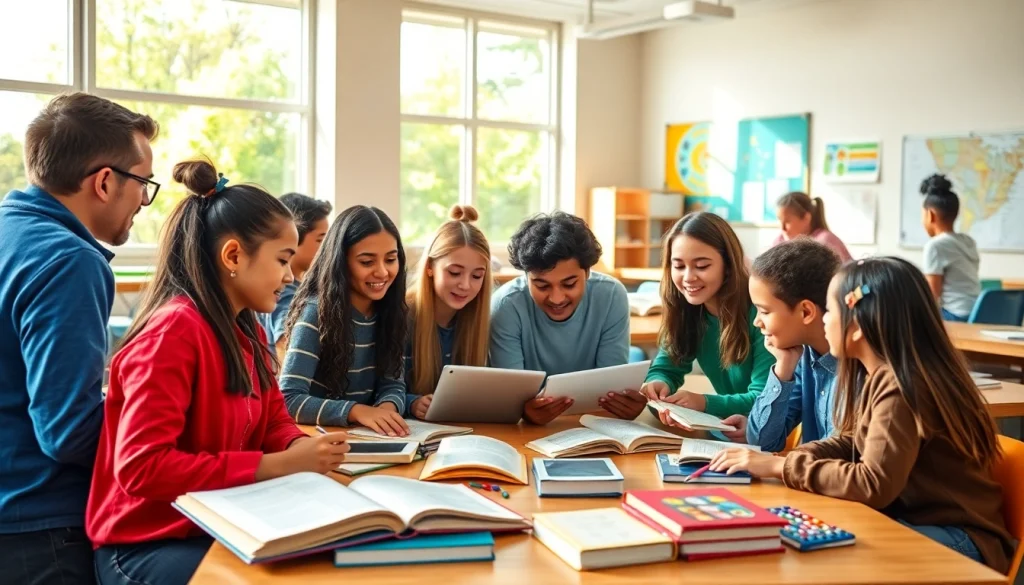
Understanding Education Equity in 2026
Education equity remains a pivotal concern in the 21st century, particularly as we move toward 2026. It is essential for providing all students, regardless of their background, with equal access to quality educational resources and opportunities. This issue intersects with broader societal values, advocating for fundamental rights like freedom, equality, and justice. Dr. Matthew Lynch, an expert in education equity and reform, emphasizes the importance of innovative approaches to tackle these challenges. For more insights into this critical subject, explore education strategies that are addressing these pressing issues.
Defining Education Equity
Education equity refers to the principle of fairness in education where every student has access to the resources, opportunities, and supports necessary to achieve their full academic potential. This means recognizing and addressing barriers that disproportionately affect low-income students, students of color, and other marginalized groups. Equity in education is not synonymous with equality; while equality focuses on uniformity, equity emphasizes the need for tailored support that accommodates diverse needs to achieve similar outcomes. This nuanced understanding is critical in shaping effective education policies and practices.
Historical Context and Evolution
The journey toward achieving education equity has been a complex one, steeped in historical injustices and systemic barriers. The landmark Brown v. Board of Education case in 1954 set a precedent by declaring racial segregation in public schools unconstitutional, igniting movements aimed at dismantling inequities. Over the decades, various reforms have emerged, such as the Elementary and Secondary Education Act (ESEA) of 1965, designed to close achievement gaps. However, persistent issues, including funding disparities and socio-economic factors, continue to challenge progress.
Current Challenges in Achieving Equity
As we approach 2026, several obstacles hinder the path to education equity. Funding inequities remain a significant barrier; schools in affluent areas often receive greater financial support than those in low-income communities. Additionally, the COVID-19 pandemic exacerbated these disparities, highlighting the urgent need for remote learning resources and access to technology. Moreover, implicit biases within educational systems can lead to unequal disciplinary actions and expectations for students based on their race or background. Addressing these challenges requires a concerted effort from educators, policymakers, and communities.
Innovative Approaches to Education Reform
Transitioning to more effective education systems involves innovative approaches that not only address existing disparities but also anticipate future needs. The integration of technology, project-based learning, and personalized learning experiences are pivotal in this transformation.
Integrating Technology in the Classroom
The rise of digital technologies in education has opened new avenues for engagement and learning. Tools such as interactive software, online resources, and educational apps facilitate personalized learning experiences that cater to individual needs. For instance, platforms that use adaptive learning algorithms can assess a student’s progress in real-time and adjust the curriculum accordingly. Schools that embrace these technologies not only enhance learning outcomes but also prepare students for a workforce increasingly shaped by technological advancements.
Project-Based Learning and Its Impact
Project-based learning (PBL) is a dynamic classroom approach that emphasizes student engagement through real-world problem solving. This method fosters critical thinking, collaboration, and creativity—skills that are essential in today’s economy. By encouraging students to tackle projects that resonate with their interests and communities, PBL can help bridge the gap between theoretical knowledge and practical application. Case studies from schools that have implemented PBL illustrate significant improvements in student motivation and academic performance.
Personalized Learning Experiences
Personalized learning tailors education to the strengths, needs, and interests of each student. This student-centered approach allows for flexibility in learning paths, enabling students to progress at their own pace. Teachers play a vital role in facilitating personalized plans, often utilizing assessments and feedback to guide students effectively. By focusing on individual mastery rather than a one-size-fits-all curriculum, educational institutions can foster deeper understanding and retention of knowledge.
Empowering Educators through Professional Development
To enact meaningful change in education, it is crucial to empower educators through ongoing professional development. Investing in teachers not only enhances their skills but also improves student outcomes.
Essential Skills for Modern Educators
Modern educators must cultivate a variety of essential skills, including cultural competency, technological proficiency, and adaptive teaching strategies. As classrooms become increasingly diverse, understanding cultural backgrounds and creating inclusive environments is paramount. Furthermore, proficiency in educational technology allows teachers to leverage digital tools effectively, enhancing learning experiences for all students.
Effective Mentorship Programs
Mentorship programs serve as invaluable resources for new educators, providing guidance and support as they navigate their careers. Experienced teachers can share insights, strategies, and best practices, fostering a supportive community within schools. Such programs can also contribute to teacher retention, ensuring that promising educators remain in the profession and continue to develop their skills.
Building Collaborative Learning Communities
Collaboration among educators enhances professional growth and enriches the educational experience. By fostering collaborative learning communities, teachers can share resources, exchange ideas, and develop innovative teaching practices. This collective approach not only bolsters teacher morale but also creates a cohesive learning environment for students.
Measuring Success in Education: Metrics and Outcomes
Establishing effective metrics for measuring success in education is crucial for evaluating the efficacy of reform efforts. These metrics extend beyond standardized test scores, incorporating various dimensions of student learning and development.
Key Performance Indicators in Education
Key performance indicators (KPIs) provide quantifiable measures of student achievement and educational quality. These include graduation rates, college acceptance rates, and post-secondary enrollment statistics. Furthermore, KPIs can be tailored to reflect the unique contexts and goals of individual schools, allowing for more meaningful assessments of success.
Evaluating Educational Technology Effectiveness
As technology becomes ingrained in educational practices, evaluating its effectiveness is essential. Institutions must assess whether technological tools are genuinely enhancing learning outcomes or simply serving as supplementary resources. This involves rigorous analysis of user engagement, retention rates, and overall academic performance linked to technology use.
Case Studies of Successful Implementation
Examining case studies of schools that have successfully implemented reforms can provide valuable insights into best practices. Such examples often highlight the importance of community involvement, consistent professional development, and a clear vision for educational equity. By learning from these cases, other institutions can adapt strategies to suit their unique needs.
Future Trends Shaping Education Beyond 2026
As we look to the future, several emerging trends are poised to shape the education landscape beyond 2026. These developments will require educators, policymakers, and communities to adapt and innovate in response to changing societal needs.
The Role of Artificial Intelligence in Education
Artificial intelligence (AI) is set to revolutionize education by providing personalized learning experiences and automating administrative tasks. AI can analyze student data to identify learning patterns, enabling educators to tailor interventions that address specific needs. Moreover, AI-powered tools can help streamline grading, allowing teachers to focus more on instruction and mentorship.
Global Perspectives on Education Reform
Education reform is a global challenge, and learning from diverse international perspectives can foster innovative solutions. Countries around the world have adopted varying approaches to overcoming educational disparities, often reflecting cultural values and governance structures. By examining these global initiatives, education stakeholders can identify successful strategies that resonate in different contexts.
Preparing for an Evolving Workforce
The skills required in the workforce are continuously evolving, necessitating education systems to adapt accordingly. Educators must prepare students for careers that may not yet exist, emphasizing skills such as critical thinking, collaboration, and digital literacy. Educators should aim to create a curriculum that is not only responsive to current workforce demands but anticipates future industry shifts as well.