
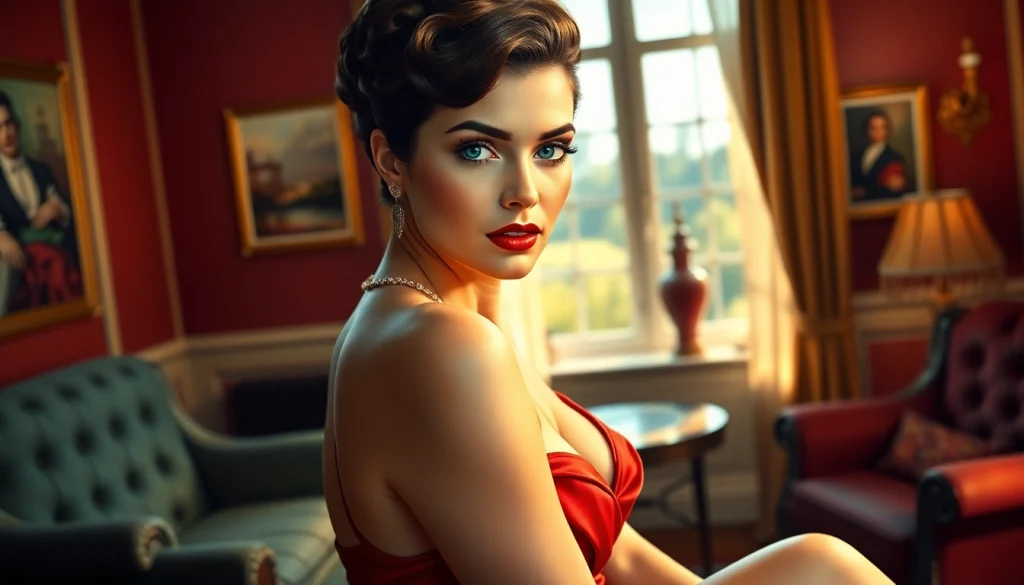
Understanding the Cultural Significance of Vintage Pin-Ups
Vintage pin-ups, particularly those fashioned by the illustrious Alberto Vargas, symbolize an era defined by glamour, appeal, and a unique artistic perspective on femininity. These illustrations were not merely artworks; they captured the spirit and cultural zeitgeist of their time, appealing to a demographic longing for escapism during challenging times. To understand the impact of these artworks, one must delve into the rich history of pin-up art, the evolution of the “Varga Girl,” and the delicate balance between sensuality and tastefulness inherent in this art form. Visitors seeking more insights about these topics may explore https://www.esquirevargas.com.
History of Pin-Up Art
The origins of pin-up art date back to the late 19th century, gaining immense popularity through the 1940s and 1950s. The term “pin-up” refers to photographs or illustrations of attractive people, often dressed in alluring attire, designed to be pinned up on walls, predominantly in the context of military barracks. During WWII, these images became a source of comfort and inspiration among soldiers stationed away from home. The works of artists like Vargas transitioned pin-ups from mere photographs to celebrated illustrations that showcased not only beauty but artistry.
With influences drawn from the birth of modernism and the surrealism movement, pin-up art blurred the lines between commercial illustration and fine art. Artists such as Charles Dana Gibson and George Petty contributed significantly to the genre’s formation, creating iconic images that would pave the way for Vargas’s distinctive style. The mid-20th century saw pin-up art depicted in film, literature, and advertisements, embedding its aesthetic in American culture.
The Evolution of the Varga Girl
Alberto Vargas revolutionized pin-up art through his creation of the “Varga Girl.” His works were characterized by a combination of femininity, sensuality, and elegance. Initially gaining notoriety through Esquire magazine in the early 1940s, Vargas crafted images that embodied the idealized woman, blending art with suggestive allure. Unlike typical portrayals of women at the time, Vargas’s women exuded confidence and charm, frequently displayed in playful, engaging poses.
Vargas’s technique involved soft lines, vivid colors, and an exceptional flair for detail. His airbrush methods allowed for a smooth and refined finish, bringing forth a dreamlike quality that captivated viewers. As the cultural landscape evolved, so did the Varga Girl; she transitioned from a war-era muse to an emblem of liberation in the 1960s and beyond, symbolizing the changing attitudes toward femininity, sexuality, and empowerment.
Sensuality and Tastefulness in Art
A significant attribute of Vargas’s work is the careful balance between sensuality and tastefulness. Unlike more explicit depictions that often sought shock value, Vargas’s artistry managed to reframe nudity within a context of elegance and allure. His pin-ups were never gratuitous; instead, they emphasized the beauty of the human form and evoked emotions rather than merely presenting suggestive imagery. This approach allowed his illustrations to transcend mere pin-up culture, entering the realm of fine art.
The Varga Girls celebrated self-assuredness while inviting admiration rather than objectification—a critical consideration that informs contemporary discussions surrounding representation in art. Vargas’s influence can be seen in modern artistic portrayals that strive to celebrate women’s beauty respectfully and artistically, promoting the idea that sensuality does not necessitate explicitness.
Visual Aesthetics: Elements that Define Pin-Up Style
Pin-up art, particularly that produced by Vargas, is defined by distinct visual aesthetics that speak volumes beyond the surface. These elements combine to create an alluring composition that has intrigued generations. Understanding these features provides insight into what makes vintage pin-up art resonate with audiences today.
Color Palettes and Composition Techniques
Color selection plays a pivotal role in conveying the mood and emotion of pin-up art. Vargas favored vibrant yet warm palettes, incorporating rich reds, soft pastels, and deep blues. This color mixture not only captured attention but also evoked a sense of nostalgia, transporting viewers to a bygone era filled with glamour and carefree indulgence.
Additionally, Vargas employed innovative composition techniques, utilizing diagonal lines and asymmetry to create dynamic and engaging visuals. His ability to guide the viewer’s gaze through the artwork contributed to a feeling of movement and intimacy, enhancing the allure of the subjects. These techniques have influenced modern artists, showcasing how effective composition can elevate the narrative and emotional connection of imagery.
Lighting and Mood in Vintage Pin-Up Imagery
Lighting in pin-up art establishes atmosphere and draws focus to the subjects in a way that highlights their beauty. Vargas often used soft lighting, accompanied by shadowing techniques that accentuated curves and features without devolving into stark contrasts. The delicate interplay of light and shadow created a three-dimensional effect, enriching the overall sensual experience for the viewer.
The mood captured in these artworks reflects a joyful, carefree essence—something that can be tied to the contexts in which they were created. The playful and flirtatious expressions of his models, often juxtaposed against serene or vibrant backdrops, foster a sense of optimism and glamour integral to the pin-up genre.
Fashion Trends Reflected in Pin-Up Illustrations
Pin-up illustrations served as a visual chronicle of contemporary fashion, reflecting the styles that defined each era. Vargas showcased the progressive trends of his time, from elegant summer dresses to enticing swimwear. These artworks often portrayed clothing that highlighted the curves of the models, reinforcing ideals of femininity while still remaining sophisticated.
The Varga Girls encapsulated the spirit of their times; their wardrobes not only mirrored fashion trends but influenced them. As such, pin-up art has had a lasting impact on how fashion is perceived, demonstrating the intersection between artistry and everyday style. This adaptability ensures that while the core concept of pin-up art remains constant, it continuously finds relevance in the evolving world of fashion.
The Impact of Alberto Vargas on Modern Art
Alberto Vargas’s contributions to art extend far beyond the scope of pin-ups. His distinctive style, techniques, and thematic focus have influenced a myriad of contemporary artists, sparking conversations around beauty, idealism, and artistic representation.
Vargas’ Unique Artistic Techniques
Vargas’s pioneering airbrush technique set him apart from his contemporaries, allowing for smoother transitions and a polished finish that became synonymous with his brand. His meticulous attention to detail, the rich layering of colors, and the soft focus achieved through airbrushing contributed to an otherworldly quality in his images. Today, many digital illustrators and traditional artists draw inspiration from Vargas’s methods, seeking to replicate the signature smoothness while infusing their own styles into modern interpretations.
How Vargas Changed the Perception of Beauty
The Varga Girl was not just a pretty face; she represented a nuanced idea of beauty that embraced individuality and personality. Unlike earlier depictions that often emphasized a static ideal, Vargas’s illustrations portrayed dynamic women with distinct charms and backstories. This shift in representation has paved the way for conversations about diversity in beauty standards within both the art world and the broader cultural context.
Artists and theorists alike have embraced Vargas’s legacy, highlighting how beauty can be expressed in manifold forms while still maintaining allure. His adventurous spirit promised viewers that there is beauty in authenticity—a message that resonates more in contemporary times as society aims to redefine conventional norms.
Legacy of Vargas in Contemporary Illustrators
The shadow of Alberto Vargas looms large over the works of many modern illustrators who aspire to blend sensuality with artistic integrity. Emerging artists often cite Vargas as an influence, using techniques learned from his works to create pin-up art that marries nostalgia with contemporary relevance.
Artistic forums and communities dedicated to pin-up culture celebrate Vargas’s contributions, often featuring discussions and exhibitions that inspire new generations to elevate pin-up illustrations into a fine art that is appreciated for its artistry, craftsmanship, and cultural impact. This legacy is evident not only in the evolution of art styles but also in the ongoing resonance of the pin-up aesthetic in daily fashion, graphic design, and popular media.
Collecting Vintage Pin-Ups: A Guide for Enthusiasts
For collectors, vintage pin-ups embody nostalgic value and artistic expression. However, collecting these artworks requires knowledge and an appreciation for their historical significance. The following sections aim to guide enthusiasts through the process of building a collection, from recognizing authentic pieces to understanding market trends.
Identifying Authentic Pin-Up Artworks
The market for vintage pin-up art has grown significantly, inviting both seasoned collectors and newcomers to explore this captivating realm. To ascertain authenticity, collectors should familiarize themselves with signature elements of renowned artists, particularly Vargas. Familiarity with the details in his works, such as signature styles, color palettes, and techniques, helps identify genuine pieces.
Moreover, there are numerous resources available, including exhibitions and books that explore the works of Vargas and his contemporaries. Authentication can also involve reaching out to experts or collectors to gain insights on potential acquisitions, enabling buyers to avoid counterfeit issues prevalent in the art market.
Preservation Techniques for Vintage Art
Proper care is crucial for maintaining the integrity of vintage pin-up artworks. Collectors should invest in archival-quality materials such as acid-free mounts and glass frames to protect artworks from light, humidity, and physical stress. Keeping artwork in a controlled environment, away from direct sunlight, will prevent degradation and preserve the vibrancy of colors over time.
Regular cleaning is also essential, but it should be done with caution. Using appropriate cleaning materials and avoiding harsh chemicals is important to maintain the artwork’s quality. For valuable pieces, consulting with conservation experts ensures the preservation of the artwork’s visual and intrinsic value.
Market Trends and Value of Vintage Pin-Ups
Understanding market dynamics is important for collectors aiming to invest wisely in vintage pin-ups. The value of artworks can fluctuate based on factors such as the artist’s prominence, condition, and historical significance. Vintage pieces with verified provenance tend to attract higher prices, especially if they feature iconic subjects or were created during pivotal moments in the artist’s career.
Collectors can engage in market research by attending auctions, exhibitions, and symposiums focused on pin-up art. Additionally, online platforms provide valuable insights related to current valuations and auction trends. This information can inform decisions and highlight emerging trends that may influence a collector’s investment strategy within this unique niche.
How to Incorporate Vintage Pin-Up Aesthetics Today
The allure of vintage pin-up aesthetics continues to echo through contemporary fashion, art, design, and popular culture. Embracing these styles encourages a celebration of femininity while fostering a connection to the past. Here are key areas where modern interpretations of pin-up art can be effectively incorporated.
Applying Pin-Up Style in Fashion and Design
In the realm of fashion, elements inspired by vintage pin-ups have surged in popularity. Designers often draw from the playful color combinations, romantic silhouettes, and impeccable tailoring that define the genre. Clothing lines that feature high-waisted skirts, retro swimsuits, and fitted blouses celebrate a femininity that echoes the Varga Girl spirit.
Interior design also benefits from pin-up aesthetics, with retro-inspired decor elements focusing on bold patterns, vintage furniture, and playful accessories that invoke the nostalgic charm of mid-20th century styles. Integrating these stylistic choices into modern settings fosters a unique synergy of the old and new, offering warmth and character to any space.
Modern Interpretations of Vintage Aesthetics
Modern artists continue to reinterpret pin-up aesthetics, infusing them with contemporary sentiments. This revitalization can be seen through diverse mediums such as digital art, photography, and even literature. Artists blend nostalgia with modern themes, tackling subjects like feminism, body positivity, and self-love while referencing traditional pin-up motifs. This interpretation allows for the enduring image of the pin-up to evolve and retain relevance across generations.
Social media platforms also play a crucial role in this resurgence, enabling artists to reach a broader audience and share their interpretations of vintage aesthetics. Engaging in online communities and art shows, where pin-up art is celebrated, ensures that this genre continues to thrive in contemporary art culture.
Celebrating Pin-Ups in Popular Culture
Pin-up imagery has found its way into various facets of popular culture, reaffirming its significance in today’s creative landscape. Films, music videos, advertising campaigns, and merchandise often incorporate pin-up elements, highlighting the pervasiveness and influence of this aesthetic.
Events celebrating vintage culture, such as pin-up pageants and retro festivals, provide platforms for enthusiasts to showcase their appreciation for this art form. These gatherings often foster a sense of community, encouraging discussions about the legacy and future of pin-up art while allowing participants to engage with a shared passion for nostalgia.