
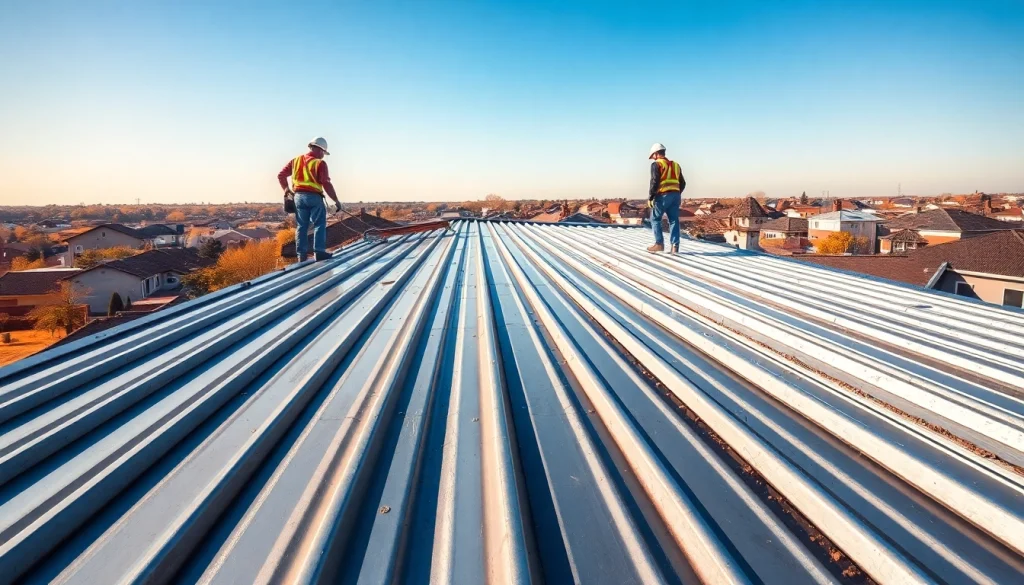
Understanding Metal Roofing
What is Metal Roofing?
Metal roofing is a durable and sustainable roofing option made from various types of metals, such as steel, aluminum, copper, or zinc. Known for its longevity and strength, metal roofing is increasingly becoming a popular choice among homeowners and builders. By using materials that reflect heat rather than absorb it, metal roofing significantly enhances energy efficiency. When installed properly, it can last for decades, making it an excellent long-term investment for residential and commercial buildings.
Common Types of Metal Roofing
Metal roofing comes in various styles and materials, allowing homeowners to select an option that aligns with their aesthetics and needs. The most common types include:
- Steel Roofing: Often galvanized or coated with a zinc alloy, steel roofing is the most prevalent choice due to its strength and cost-effectiveness.
- Aluminum Roofing: Renowned for its lightweight properties and resistance to rust, aluminum roofing is ideal for coastal regions.
- Copper Roofing: A premium option known for its beauty and longevity, copper develops a patina that some homeowners find appealing.
- Zinc Roofing: Like copper, zinc develops a protective patina over time, providing both durability and aesthetic charm.
- Metal Shingles: Designed to mimic other materials, metal shingles offer versatility while maintaining the advantages of metal.
Advantages of Metal Roofing
The advantages of installing metal roofing extend beyond simple aesthetics. They include:
- Lightweight: Compared to traditional roofing materials, metal roofing is significantly lighter, reducing the structural burden on buildings.
- Fire Resistance: Most metal roofs are classified as non-combustible, offering an added layer of safety in fire-prone areas.
- Eco-Friendly: Many metal roofs are made from recycled materials and are themselves recyclable at the end of their lifespan.
Benefits of Metal Roofing
Durability and Longevity
One of the most compelling reasons to choose metal roofing is its durability. A well-installed metal roof can last between 40 to 70 years, depending on the material. In contrast to asphalt shingles, which typically need replacement every 15-20 years, metal roofing represents a wise, long-term investment. Weather conditions such as hail, wind, and extreme temperatures pose little threat, further enhancing its life span.
Energy Efficiency Benefits
Metal roofing reflects solar radiant heat, which can decrease cooling costs by as much as 20%. This energy efficiency translates into lower energy bills, making it a smart choice for environmentally conscious homeowners. Furthermore, many metal roofs are coated with reflective materials, enhancing their ability to maintain comfortable indoor temperatures throughout the year.
Cost-Effectiveness Over Time
While the initial installation cost of metal roofing may be higher than traditional roofing materials, its long-term benefits outweigh the initial investment. Metal roofs require less maintenance, resist moisture damage, and can even qualify for insurance discounts. Over the decades, homeowners find that the cost-effectiveness of metal roofing is evident in utilities savings and extended roof life.
Installation Process of Metal Roofing
Pre-Installation Considerations
Before installing metal roofing, several factors should be taken into consideration. Understanding the current roof’s condition is crucial; any issues such as leaks or structural damage must be addressed first. Additionally, local building codes and regulations may dictate specific installation methods or materials. Lastly, selecting the appropriate type of metal and finish that aligns with the climate and desired aesthetics is essential.
Step-by-Step Installation Guide
Installing metal roofing requires precision and expertise. Below is a general step-by-step process:
- Preparation: Clear the area and confirm measurements.
- Installation of Underlayment: This layer protects against moisture and helps insulate the home.
- Fit the Metal Panels: Start at the eave and work up toward the ridge, ensuring alignment and overlap.
- Secure the Panels: Use screws or clips specifically designed for metal roofs to prevent leaks and ensure a snug fit.
- Flash and Seal: Proper flashing around chimneys and skylights is vital to prevent water intrusion.
- Final Inspection: Check for secure installations and make necessary adjustments.
Common Installation Mistakes to Avoid
Common installation mistakes can compromise the effectiveness of metal roofing. One frequent error is improper fastening, which can lead to leaks or lift during storms. Additionally, inadequate underlayment or neglecting to allow for expansion and contraction can cause long-term damage. Engaging a professional installer with experience in metal roofing can significantly reduce the risk of these pitfalls.
Maintenance of Metal Roofing
Regular Maintenance Tips
Maintaining metal roofing is crucial for maximizing its lifespan. Regular inspections, ideally twice a year, should focus on checking for debris accumulation, rust spots, or loose seams. Cleaning the roof with a low-pressure wash helps remove any contaminants that could lead to corrosion. Additionally, ensuring gutters and downspouts are clear prevents water pooling and minimizes decay.
Signs of Damage to Look For
Identifying potential issues before they become significant can save homeowners time and money. Look for signs such as rusting or corrosion, especially at seams and edges. Loose or missing fasteners can indicate the need for immediate repairs. Moreover, discoloration can suggest damage from heat or moisture, warranting further investigation.
How to Address Common Issues
Common issues with metal roofing can often be managed effectively. For small rust spots, treating the affected area with a wire brush, followed by a rust-inhibitive primer and paint, can extend the life of the roof. If fasteners are loose, securely retightening or replacing them with appropriate screws is recommended. For more extensive concerns, such as significant structural damage, seeking a professional roofing contractor is advisable.
Metal Roofing FAQ
What is the lifespan of metal roofing?
Metal roofing typically lasts between 40 to 70 years, depending on the material and maintenance practices.
Is metal roofing energy-efficient?
Yes, metal roofing reflects solar heat, which can significantly reduce cooling costs and improve energy efficiency.
Can I install metal roofing myself?
While DIY installation is possible, hiring a professional is often best to ensure proper techniques and avoid costly mistakes.
How does metal roofing react to weather?
Metal roofing is highly resistant to harsh weather conditions, including rain, hail, and high winds, maintaining its integrity over time.
What are the environmental benefits of metal roofing?
Metal roofing is made from recycled materials and is recyclable itself, making it a more sustainable roofing option compared to traditional materials.