
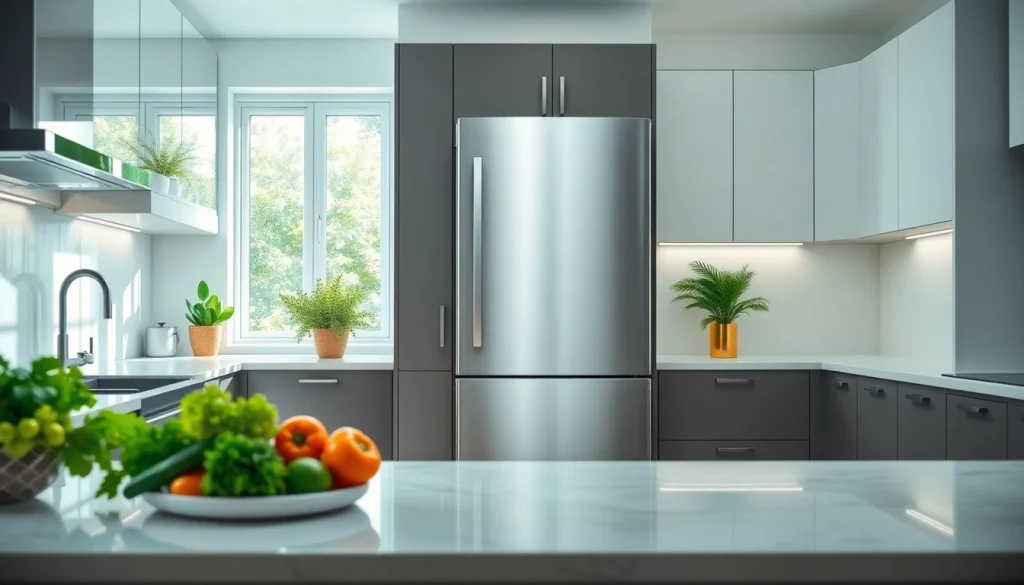
Understanding Refrigerator Types
Choosing the right Refrigerator involves considering various types available in the market today. Each type comes with its unique features, advantages, and style preferences that cater to different needs and spaces within your home.
Top Freezer Refrigerator Features
Top freezer refrigerators are one of the most traditional designs, consisting of a refrigerator compartment directly below a separate freezer compartment at the top. This classic setup has stood the test of time due to its practicality.
- Cost-Effective: Generally, top freezers are less expensive than other types, making them a budget-friendly choice.
- Energy Efficiency: These models often consume less energy compared to side-by-side options, thus reducing utility costs.
- More Space for Fresh Food: With a larger refrigerator section, they provide ample space for storing fresh produce and large items.
Side-by-Side Refrigerator Advantages
Side-by-side refrigerators feature two vertical compartments, one for refrigeration and one for freezing. This design is particularly convenient for users who prioritize easy access to various items.
- Visibility and Accessibility: Easy access to both fresh and frozen food without bending or reaching up.
- Space Efficiency: Allows the refrigerator to fit in narrow kitchens, offering flexible storage options.
- Integrated Features: Often include built-in water and ice dispensers, adding convenience.
French Door Refrigerator Benefits
French door refrigerators have become increasingly popular for their combination of style and functionality. Featuring two refrigerator doors that open outwards and a freezer drawer beneath, they provide multiple benefits.
- Stylish and Modern: French door models offer an upscale appearance that enhances kitchen aesthetics.
- Wide Shelves: Ideal for storing larger items such as party platters or pizza boxes.
- Flexible Storage Options: Often equipped with adjustable shelves and bins that can accommodate varying items.
Key Considerations When Buying a Refrigerator
When shopping for a refrigerator, it’s essential to assess several key factors that will influence your purchase decision and long-term satisfaction.
Size and Capacity Requirements
Size is one of the first considerations. Measure your available kitchen space to determine the dimensions that will fit comfortably without obstructing other appliances or pathways. Additionally, assess your storage needs based on your family’s size and dietary preferences.
Energy Efficiency Ratings
Energy efficiency is an essential factor, as it can significantly affect your monthly utility bills. Look for refrigerators featuring the ENERGY STAR label, which indicates compliance with strict energy efficiency guidelines. This label provides peace of mind that you are making an eco-friendly choice.
Storage Options and Organization
Consider how you typically organize food. Do you often store large containers? Adjustable shelves, crisper drawers, and dedicated compartments for specific items can enhance convenience and efficiency. Look for models with customizable features to best suit your habits.
Maintaining Your Refrigerator
To ensure your refrigerator operates optimally and lasts longer, regular maintenance is crucial. Below are essential practices that will keep your appliance in good condition.
Routine Cleaning Best Practices
Regularly clean and inspect your refrigerator for spills or spoiled items. Wipe down shelves with a mild disinfectant and manage any lingering odors using baking soda. It’s advisable to perform a deep clean at least every three months to maintain functionality.
Common Issues and Troubleshooting
If your refrigerator isn’t cooling properly, check for issues such as door seals, thermostat settings, or airflow blockages. A well-maintained appliance with proper airflow can prevent most common breakdowns, saving you time and repair costs.
Maximizing Energy Efficiency
To maximize energy efficiency, keep your refrigerator at the recommended temperature (usually around 37°F for the refrigerator compartment and 0°F for the freezer). Keeping it stocked evenly can also help maintain cold air circulation and reduce energy expenditure.
Innovative Features to Look For
The refrigerator industry is continuously evolving, with new technologies and features that improve usability. Consider the following innovative options when making your next purchase.
Smart Technology in Refrigerators
Smart refrigerators allow connectivity through Wi-Fi, enabling you to manage settings from your smartphone. Features can include inventory tracking, recipe suggestions based on available contents, and alerts for open doors or temperature fluctuations.
Enhancing Food Preservation Techniques
Look for models equipped with advanced food preservation technologies, such as humidity-controlled crispers and separate temperature zones. These enhancements help prolong the freshness of different food types, ultimately reducing waste.
Customization Options for Unique Styles
Refrigerators are now available in various colors, finishes, and designs. Some brands offer customizable panel options to match cabinetry or walls, allowing seamless integration into your kitchen décor.
Frequently Asked Questions About Refrigerators
What size refrigerator do I need for my family?
The capacity you need depends on your family size. A 10 to 14 cubic feet model typically suits 1-2 people, while 15-20 cubic feet accommodates families of 3-5. Consider your storage needs too.
How can I lower my refrigerator’s energy consumption?
To improve energy efficiency, keep your refrigerator full but not over-crowded, set the temperature according to recommendations, and clean coils regularly. Ensure good ventilation around the appliance.
What is the average lifespan of a refrigerator?
The average lifespan of a refrigerator is between 10 to 20 years, depending on usage and maintenance. Regular upkeep can extend its operational life significantly.
How often should I clean my refrigerator?
It’s advisable to clean your refrigerator every three months. Regularly check for spills and expired products, and deep clean every few months to maintain hygiene and efficiency.
Are there refrigerators with lower environmental impact?
Yes, look for ENERGY STAR-rated models as they meet stringent efficiency standards and use less energy, reducing environmental impact while still offering excellent performance.