
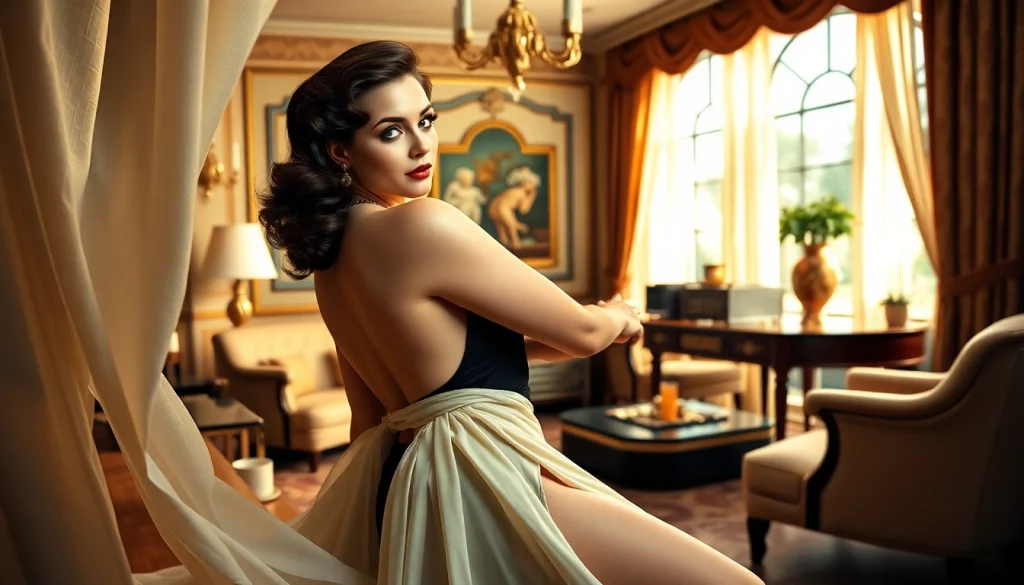
The Allure of the Varga Girl in Popular Culture
The Varga Girl, epitomized by the artistic genius of Alberto Vargas, transcended mere pin-up art to become a cultural phenomenon in the mid-20th century. The sophisticated portrayal of female beauty, glamour, and allure captured the imagination of a generation, and these images resonate even today. This article delves deeply into the origin, cultural impact, and contemporary interpretations of the Varga Girl, while also examining the techniques behind Vargas’s captivating artwork and insights into collecting and valuing these pieces.
The exploration of the Varga Girl begins with an understanding of its rich heritage and cultural significance. For those interested in the intricate details of the Varga legacy, a deeper dive into the art itself can be found on https://www.esquirevargas.com.
Understanding the Origin of the Varga Girl
Alberto Vargas, a Peruvian artist, gained fame in the 1940s for his contributions to Esquire magazine through his breathtaking illustrations known as “Varga Girls.” These artworks featured voluptuous, ethereal women adorned in suggestive yet tasteful poses, often characterized by flowing lines and soft colors that exuded both warmth and sensuality.
Vargas’s background in fine arts facilitated his transition into commercial illustration. Starting as an illustrator for theatrical productions, his early works demonstrated an understanding of female beauty that would soon captivate magazine audiences. His move to the United States and subsequent work at Esquire marked the beginning of a new era in pin-up art, where the subject matter was both celebratory and simultaneously complex in its portrayal of femininity.
The Cultural Impact of the Varga Girl in the 1940s
The 1940s, marked by World War II, cultivated a longing for hope, beauty, and escapism amongst the American populace. The Varga Girls emerged as symbols of these desires, representing not only the idealized feminine form but also the resilience and spirit of women during turbulent times. Vargas’s art inspired a sense of nostalgia and escapism, allowing viewers to temporarily transcend the harsh realities of life.
Moreover, the Varga Girl became a cultural touchstone, symbolizing the evolving notions of femininity. While earlier portrayals of women in art and media often emphasized modesty and virtue, Vargas’s representations celebrated a sensuality that retained an air of sophistication and elegance. This dynamic allowed the Varga Girl to influence fashion and popular culture significantly, creating a legacy that would reverberate through future generations.
Contemporary Interpretations of Varga’s Work
In contemporary culture, the Varga Girl remains a point of reference within various artistic and commercial contexts. Fashion designers, photographers, and digital artists frequently draw inspiration from Vargas’s aesthetic, incorporating elements of his style into modern works. The idealized yet compelling portrayal of women serves as an enduring influence, demonstrating the timeless nature of Vargas’s artistic vision.
Moreover, the rise of retro and vintage appreciation has propelled collections of Varga art into the spotlight, with collectors and enthusiasts eager to revisit this glamorous chapter of history. Exhibitions showcasing Vargas’s original works continue to captivate audiences, reflecting not only his talent but also the collective nostalgia for an era defined by its unique beauty and style.
Artistic Techniques Behind the Varga Aesthetic
Airbrushing: A Signature Technique in Varga’s Art
One of the defining techniques employed by Vargas was airbrushing, which lent a dreamlike quality to his illustrations. This method allowed for smooth gradients and soft transitions between colors, enhancing the ethereal qualities of the Varga Girls. The airbrush facilitated meticulous detail, creating a flawless finish that further accentuated the femininity of his subjects.
Through this method, Vargas could manipulate light and shadow effectively, guiding the viewer’s eye through each captivating composition. The combination of airbrushing with watercolor added depth to his work, allowing for the fusion of vibrant colors with subtler tones that rendered flesh and fabric with remarkable realism.
The Use of Color to Enhance Sensuality
Color played a pivotal role in Vargas’s art, with each hue meticulously chosen to evoke emotion and allure. The warm tones and vibrant palettes in many of his pieces enhanced the sensuality of his subjects. Vargas strategically used color to emphasize curves and contours, bringing the figure to life while ensuring it remained within the bounds of tasteful presentation.
His approach to color also allowed for an exploration of themes related to glamour and desire. Vivid reds, soft pastels, and rich earth tones contributed to a lavish aesthetic that echoed the allure of Hollywood, thus positioning the Varga Girl within the broader narrative of stardom and sophistication of the era.
Composition and Posing in Varga’s Illustrations
Vargas’s prowess in composition and posing was instrumental in creating dynamic images that drew viewers in. His careful consideration of angles, perspective, and the placement of elements within the artwork resulted in visually striking and balanced illustrations. Each pose was thoughtfully crafted, often betraying a sense of movement and life that suggested the possibility of narrative beyond the image itself.
He frequently employed classic beauty standards, such as the S-curve in female figure representations, which naturally guides the viewer’s gaze. This mastery of form and pose enabled Vargas to celebrate women in a way that felt both empowering and enchanting, captivating audiences with each unveiling of a new Varga Girl.
Collecting and Valuing Varga Art Pieces
Identifying Authentic Varga Artworks
As the demand for Varga artwork continues to grow, so does the importance of understanding how to identify genuine pieces. Recognizing authentic works involves examining the signature, style, and the medium used. Vargas typically signed his works ‘Alberto Vargas’ or ‘Varga,’ often adding a date or title. Notably, some artworks were created as centerfolds for Esquire Magazine, which can be traced through back issues and catalogs.
Collectors should also pay attention to the condition of the artwork. Degradation such as fading, tears, or discoloration can significantly affect value. As such, it’s beneficial for collectors to seek professional appraisals from experts in vintage art or pin-up collectibles to ensure the authenticity and integrity of their acquisitions.
Market Trends and Valuation Insights
The Varga art market has seen fluctuations, driven by collectors’ passions and the state of vintage and retro markets. Prices can vary widely based on the piece’s rarity, condition, and historical significance. In recent years, the rise in popularity of vintage aesthetics has spurred renewed interest in Varga artworks, increasing the value of iconic pieces significantly.
Moreover, specific factors like exhibition history, provenance, and documentation can greatly influence market value. Well-documented pieces with a clear provenance can command higher prices, as they hold significant historical and artistic merit for collectors and investors.
Caring for Vintage Pin-Up Art
Caring for and preserving vintage pin-up art demands special attention. Proper handling, storage, and framing are paramount to maintaining the integrity of these delicate pieces. It’s advisable to use acid-free materials for framing, and UV-protective glass can help prevent fading from exposure to light. Additionally, artworks should be stored flat, away from moisture and extreme temperatures to mitigate risks associated with deterioration.
Regular assessments for any signs of wear or damage are crucial in early intervention and restoration efforts. For those unsure how to proceed with care or restoration, consulting with professional conservators is recommended to preserve the value and integrity of these art pieces.
Varga Girl Merchandise and Modern-Day Reproductions
Reading the Market for Vintage Merchandise
Today, the allure of the Varga Girl has spurred a market for vintage merchandise, encompassing everything from calendars and posters to clothing inspired by the art. Collectors can find reproductions and original merchandise at flea markets, online auctions, and specialty shops catering to vintage enthusiasts. Understanding the difference between authentic vintage items and modern reproductions is essential for collectors.
Being knowledgeable about the characteristics of original Varga merchandise allows collectors to navigate this extensive market effectively. For instance, original calendars from specific years may feature unique prints or stylings that newer reproductions may lack. Consequently, research and patience are key to successfully curating a noteworthy collection.
Popular Reproductions and Their Appeal
In recent years, reproductions of Varga’s work have gained traction among a broader audience, particularly those who cherish vintage aesthetics but may not afford original works. These reproductions often aim to capture the essence of the Varga Girl while allowing fans to enjoy the beauty in more accessible formats.
Merchandising trends have seen a blend of Vargas’s signature visuals into contemporary products, including apparel, home decor, and digital media. By infusing Varga’s timeless glamour into modern goods, such reproductions maintain cultural relevance and delight fans old and new.
Collecting Tips for New Enthusiasts
For those new to collecting Varga art or merchandise, starting small is advisable. Begin with reproductions or pieces that resonate personally to develop an understanding of the style and significance of Vargas’s work. As expertise grows, so can the collection, potentially leading to more valuable originals down the line.
Joining collectors’ clubs or online forums dedicated to vintage art can provide essential insights, networking opportunities, and community support. Education is crucial; familiarize yourself with the nuances of the art, market trends, and how to spot authenticity. The journey of collecting should be enjoyable and enriching, allowing for a deeper appreciation of Varga’s enduring legacy.
Engaging with the Varga Girl Community
Finding Networking Opportunities in Art Circles
Engaging with fellow enthusiasts is a fulfilling aspect of collecting. Numerous art circles and communities gather to celebrate vintage artworks, including Varga’s contributions. Attending art shows, exhibitions, and conventions can bolster connections among collectors, artists, and art appreciators alike.
These interactions not only provide avenues for purchasing art but can also yield valuable knowledge and tips on caring for and valuing collections. Networking with seasoned collectors can inspire confidence and clarity in navigating the intricacies of the art world.
Online Resources and Forums for Pin-Up Art Fans
In the digital age, online forums and resources are invaluable for collectors and enthusiasts. Websites and platforms dedicated to pin-up art offer discussions, resources, and marketplaces that cater to those with a passion for the Varga Girl. Engaging in these communities can lead to finding exclusive pieces, gaining insider information, or simply sharing admiration for Vargas’s work.
Social media groups also allow enthusiasts to connect, share their collections, and explore the latest market trends. Participating in discussions, asking questions, and sharing experiences fosters a sense of community while enhancing knowledge about this captivating art form.
Participating in Exhibitions and Art Markets
Participating in local art markets and exhibitions is another profound way to engage with the Varga art community. These venues not only provide opportunities to purchase art but also allow for the appreciation of various interpretations of vintage aesthetics. Artists, collectors, and fans share a space where creativity blossoms, and information flows freely.
Many exhibitions also feature guest speakers or panels that delve deeper into the history of pin-up art, enabling attendees to learn from experts and gain new perspectives. Whether through exhibits, talks, or pop-up events, being active in such spaces enriches one’s understanding and appreciation of this unique cultural phenomenon.