
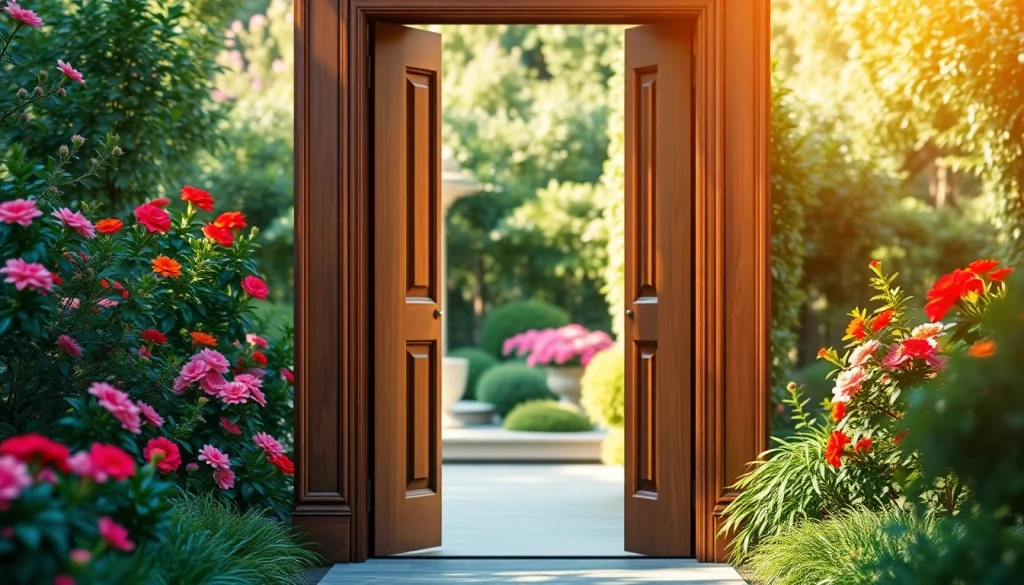
Understanding the Importance of Quality Doors
When it comes to enhancing the overall functionality and aesthetics of your home, the significance of choosing the right doors cannot be overstated. Quality doors serve as more than just entry points; they are fundamental to the integrity and style of your living space. This article delves into the critical roles that doors play within your home, providing insights into their impact on aesthetics, energy efficiency, safety, and more.
How Doors Impact Home Aesthetics
Doors are often the first element that visitors notice, making them essential for establishing the ambiance of your home. A well-chosen door can enhance architectural style, whether it be modern, traditional, or eclectic. For example, a solid wood door imbues warmth and elegance, while a sleek glass door imparts a contemporary feel. Furthermore, color selection can dramatically affect a home’s curb appeal. Bright, bold hues can make a statement, while muted tones may convey subtle sophistication.
Additionally, decorative elements like hardware, trims, and molding can allow doors to serve as focal points within your interior design. Incorporating design trends, such as barn doors or bi-folding patio doors, can further amplify your home’s aesthetic appeal.
Energy Efficiency and Insulation
The energy efficacy of doors is vital in today’s eco-conscious world. Quality doors can significantly contribute to energy savings by improving insulation. This is particularly relevant in climates with extreme temperature fluctuations. A well-insulated door serves as a barrier against drafts, helping to maintain a consistent indoor temperature.
According to the U.S. Department of Energy, upgrading to Energy Star-rated doors can reduce heating and cooling costs by up to 15%. Key materials to consider include fiberglass, which possesses higher insulation values, and steel, which offers excellent durability and can be insulated too. When combined with energy-efficient glass and sealing techniques, these doors play an essential role in making a home more sustainable.
Safety and Security Features of Doors
In addition to aesthetic and energy considerations, safety and security are critical when selecting doors. Entry doors, in particular, should provide a robust barrier against intrusions. Many modern doors are equipped with advanced locking systems, reinforced frames, and impact-resistant materials that enhance security.
Moreover, features like smart locks and doorbell cameras provide technological solutions to monitor entry points effectively. These innovations not only bolster physical safety but also offer peace of mind for homeowners.
Types of Doors for Your Home
Interior Doors: Styles and Materials
Interior doors come in various styles and materials, each serving different functions. Solid wood doors are known for their durability and soundproofing abilities, making them ideal for bedrooms and bathrooms. Conversely, hollow core doors are lighter and more cost-effective, suitable for closet spaces or less-trafficked rooms.
Sliding doors are gaining popularity for their space-saving advantages and modern aesthetics. They can be used as pocket doors or as room dividers, allowing for an open-concept flow without sacrificing function. The choice of finish, such as paint, stain, or natural wood, can further tailor interior doors to fit your home’s design.
Exterior Doors: First Impressions Matter
Exterior doors are critical to not only the functionality of your home but also its curb appeal. Entry doors must resist the elements while reflecting the homeowner’s style. Fiberglass doors are a popular choice due to their resistance to warping, denting, and rusting, while steel doors offer superior protection and energy efficiency.
It’s also essential to consider additional elements such as sidelights, transoms, and decorative glass panels, which can enhance the entrance to your home. Choosing the right exterior door sets the tone for your home and provides the first impression for guests and passersby.
Specialty Doors: Adding Unique Flair
Specialty doors add unique touches that can evoke personal style within your home. Examples include French doors, which offer a classic look and allow natural light to filter in, and bi-fold doors that create seamless transitions between indoor and outdoor spaces. Custom doors can also be designed to reflect specific architectural styles or personal tastes, providing an opportunity to showcase creativity.
Additionally, doors like pocket doors are functional and can conserve space in smaller areas, making them both practical and stylish.
Choosing the Right Doors for Your Space
Assessing Your Home Style
Before selecting doors, it’s crucial to assess the overall style and architecture of your home. Understanding your design preferences—whether traditional, contemporary, or minimalist—can guide your choices in terms of materials, colors, and styles. A cohesive look throughout the house ensures a harmonious feel and enhances the overall aesthetic.
Consider factors like existing trims and moldings, as well as the color palette of adjacent rooms, to create a visual flow across spaces. Utilizing architectural features of your home as inspiration can provide a solid foundation for decision-making.
Functionality and Usage Considerations
When choosing doors, functionality is paramount. Assess the purpose each door will serve; for example, a door leading to a noisy street may benefit from soundproofing features, while a patio door should facilitate easy access to outdoor spaces. Consider daily usage patterns, privacy needs, and accessibility requirements.
Additionally, think about the door’s location. High-humidity areas, like bathrooms, may necessitate moisture-resistant materials, while external doors need to withstand nature’s elements. Choosing the right door for each specific use ensures long-lasting satisfaction.
Budgeting for Door Upgrades
Budget plays a significant role in door selection and upgrades. While it may be tempting to opt for the most affordable option, investing in quality doors can result in long-term savings through energy efficiency and durability. Begin by establishing a budget range and consider factors like installation and future maintenance costs.
Research different materials and styles at various price points so you can make an informed decision that balances cost and quality. Seek out sales, local suppliers, or discounted options to help manage expenses without compromising on style or quality.
Installation Tips for Homeowners
DIY vs. Professional Installation
Deciding between DIY installation and hiring professionals depends on your experience level and the complexity of the door you are installing. While some interior doors can be installed by homeowners with basic tools, exterior doors often require precise installation for proper weather sealing and security.
If you are considering DIY, research thoroughly and watch instructional videos. For more complex installations, or if you are unsure of your skills, hiring a professional can ensure that the job is done correctly and save you stress in the long run.
Essential Tools for Door Installation
Having the right tools is crucial for a successful door installation. Basic tools may include a level, measuring tape, screwdriver, hammer, chisel, and drill. More specific installations may require a jigsaw or a router for custom door modifications. Ensure you also have the necessary hardware, such as hinges, locks, and handles tailored to your selected door style.
Familiarizing yourself with each tool and its purpose can simplify the installation process and prevent frustration.
Common Mistakes to Avoid
When installing doors, homeowners should be cautious of common pitfalls. One of the foremost mistakes is neglecting proper measurements, which can lead to misaligned doors. Always double-check dimensions before purchasing and installing.
Another common mistake is poor sealing. Ensure all edges are sealed correctly to prevent drafts and moisture penetration. Lastly, choosing the wrong type of door hardware can impair functionality. Select hardware that complements your door style and is suited for its weight and use.
Maintaining and Caring for Your Doors
Cleaning Tips for Different Door Materials
Regular maintenance ensures the longevity of your doors. Different materials necessitate different cleaning methods. For painted wood doors, a damp cloth with mild soap is generally sufficient. Avoid abrasive cleaners that may damage the finish.
Fiberglass doors can be cleaned similarly, while steel doors may require a specialized cleaner to remove rust when needed. For glass doors, a standard window cleaner or a vinegar-water solution can maintain clarity. Regularly checking for any buildup or dirt can prevent long-term wear.
Preventative Maintenance Practices
Preventative maintenance is key to extending the lifespan of your doors. Periodically inspect doors for signs of wear, such as chips, cracks, or rust on hinges. Lubricating hinges and locks can prevent them from becoming stiff and unusable. Additionally, checking weather stripping and seals ensures that energy efficiency is maintained.
Should any issues arise, address them promptly to prevent them from becoming larger problems. A little proactive care can go a long way in preserving both function and appearance.
When to Replace Your Doors
Knowing when to replace your doors is essential for maintaining a functional and safe home. Signs of damage such as warping, significant scratches, or compromised seals indicate it may be time for an upgrade. If you notice drafts, rising energy costs, or difficulty in operation, consider replacing doors to enhance energy efficiency and security.
Furthermore, if your doors simply do not reflect your current aesthetic or lifestyle needs, it may be time to explore new styles that better fit your home. Investing in new doors can not only improve your living environment but also add value to your home.
FAQs About Doors
What are the best materials for exterior doors?
Common materials for exterior doors include wood, fiberglass, and steel. Fiberglass is popular for durability and insulation, while steel provides security. Wood offers beauty but may require more maintenance.
How often should I replace my doors?
Typically, doors last 20-30 years, depending on materials and maintenance. You should consider replacement sooner if you notice wear, signs of warping, or reduced energy efficiency.
Can I install a door myself?
Yes, many interior doors can be installed by homeowners with basic tools and skills. However, for exterior doors or complex installations, hiring a professional is advisable for safety and proper fitting.
What should I do about squeaky doors?
Squeaky doors often require lubrication. Use a silicone spray or a lubricant specifically designed for door hinges. Apply directly to the hinges and wipe away any excess to prevent dirt accumulation.
How can I improve my door’s energy efficiency?
To enhance energy efficiency, consider installing insulated doors, ensuring weather stripping is intact, and sealing any gaps. Replace old, drafty doors with energy-efficient options that fit tightly.