
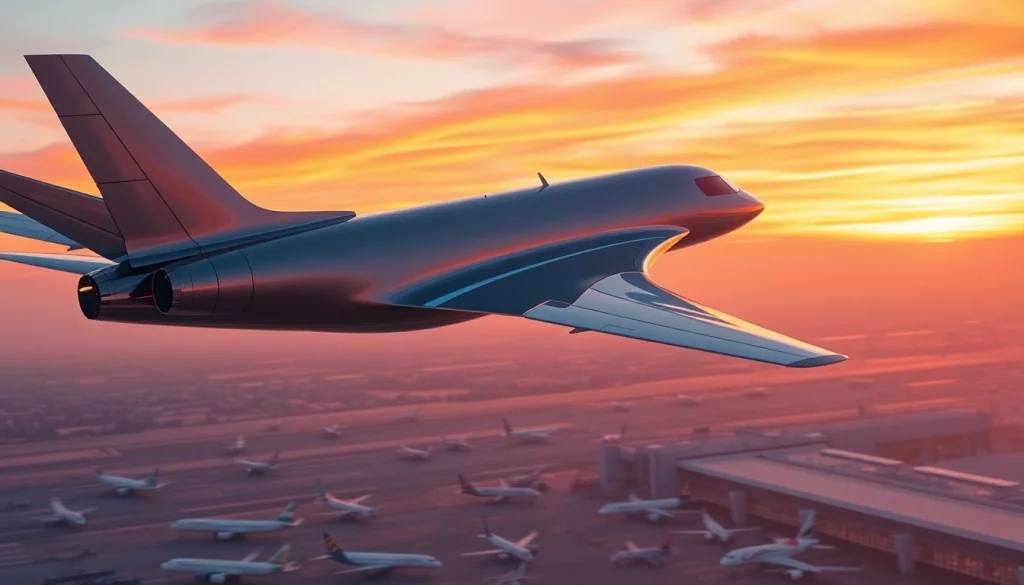
The Future of Aviation: Emerging Technologies
The aviation industry is on the brink of a transformative era, driven by groundbreaking technologies that promise to redefine air travel as we know it. As we look towards 2026 and beyond, advancements in aircraft design, the integration of artificial intelligence, and sustainable aviation solutions are at the forefront of this evolution. This article explores these emerging technologies, their implications for the aviation landscape, and how they contribute to improved efficiency, safety, and environmental sustainability.
1. Advancements in Aircraft Design
Recent developments in materials science and engineering have led to significant advancements in aircraft design. Lightweight composite materials, for instance, are allowing manufacturers to create more fuel-efficient aircraft without compromising safety or performance. Modern aircraft such as the Boeing 787 Dreamliner and Airbus A350 utilize these materials extensively, resulting in lighter frames that consume less fuel and produce lower emissions.
Furthermore, innovations in aerodynamics are enabling aircraft to operate more efficiently at various altitudes and speeds. Advanced computer simulations facilitate the design process, leading to shapes that reduce drag and increase overall performance. The incorporation of winglets and other design features exemplifies how innovative engineering can enhance the efficiency of air travel.
These advancements are essential as the industry faces increasing pressure to reduce its carbon footprint. The ongoing research and development in this area suggest that the next generation of aircraft will not only be more efficient but also capable of integrating alternative fuel systems and hybrid propulsion technologies.
2. Integration of AI in Flight Operations
Artificial intelligence (AI) is becoming an integral part of flight operations, enhancing various aspects of aviation from maintenance to passenger experience. AI algorithms can analyze vast amounts of data in real-time, helping airlines optimize flight paths, manage air traffic, and anticipate maintenance needs. This predictive maintenance capability is particularly noteworthy; by analyzing engine performance and other metrics, airlines can proactively address issues before they lead to delays or cancellations.
Moreover, AI is revolutionizing customer interactions. Intelligent chatbots and virtual assistants are already being employed by airlines to enhance customer service, providing passengers with instant answers to queries regarding bookings, flight status, and travel regulations. This technology not only improves operational efficiency but also enhances the customer experience.
The integration of AI in cockpit automation is another area garnering attention. While still requiring human oversight, AI can assist pilots in decision-making processes during critical flight phases, ultimately contributing to improved safety and efficiency.
3. Sustainable Aviation Solutions
As environmental concerns intensify, the aviation industry is exploring sustainable aviation solutions that align with global climate goals. The development of sustainable aviation fuels (SAFs) represents a promising avenue forward. These biofuels can significantly reduce greenhouse gas emissions when compared to traditional jet fuels, offering a transitional solution as the industry shifts towards more innovative energy sources.
In addition to SAFs, the adoption of electric and hybrid aircraft is gaining traction. Various startups and established manufacturers are working on electric propulsion technologies that could transform short-haul flights, drastically reducing emissions and operating costs. The advent of urban air mobility vehicles, such as eVTOLs (electric vertical takeoff and landing), also points towards a future where sustainable air travel becomes more accessible.
The overarching goal of these initiatives is to create a greener aviation industry, paving the way for a sustainable future while maintaining the essential connectivity that air travel provides.
Regulatory Changes Impacting the Aviation Industry
As technological advancements propel the aviation sector forward, regulatory changes play a critical role in shaping the industry’s future. Policymakers face the challenge of creating regulations that promote safety, innovation, and environmental responsibility. With the rapid pace of change, it is vital for regulations to adapt accordingly to ensure the continued safety and viability of air travel.
Regulatory frameworks must balance the need for innovation with the necessity of safety, particularly as new technologies are introduced into the aviation ecosystem. The International Civil Aviation Organization (ICAO) and individual national authorities are working to establish guidelines that will facilitate the adoption of emerging technologies while ensuring that safety standards are upheld, maintaining public confidence in air travel.
1. New Safety Standards and Compliance
The aviation sector is known for its stringent safety regulations, which will continue to evolve in response to emerging technologies. The rise of drones and autonomous flight systems demands new regulatory approaches to integrate these innovations into the existing airspace framework safely. This includes developing standards for remote pilot certification, air traffic integration, and airworthiness assessments.
Moreover, as aircraft become more technologically advanced, ensuring compliance with safety regulations will require continuous collaboration between manufacturers, airlines, and regulatory bodies. Stakeholders must work together to establish a robust regulatory environment that supports innovation while maintaining the highest safety standards.
2. Air Traffic Management Innovations
Air traffic management (ATM) systems are undergoing a paradigm shift with the introduction of advanced technologies designed to enhance the efficiency and safety of airspace operations. The implementation of concepts such as Performance-Based Navigation (PBN) and the use of satellite-based systems allow for a more accurate and flexible management of air traffic.
Innovative technologies, including automated systems for conflict detection and resolution, are set to revolutionize air traffic control (ATC). These advancements not only improve the capacity of airspace but also contribute to reduced delays, allowing airlines to optimize flight schedules and enhance overall operational efficiency.
3. Environmental Regulations for 2026
With the aerospace industry’s increasing focus on sustainability, environmental regulations are becoming more stringent. The impending 2026 targets for carbon emissions set by various international bodies are pushing airlines and manufacturers to adopt more environmentally friendly practices. Compliance with these regulations will necessitate investments in technology and operational adjustments to meet emissions standards.
Airlines may also be incentivized to invest in electric and hybrid aircraft technologies, as regulatory frameworks develop to support such transitions. These developments will play a significant role in shaping the future of air travel, emphasizing the industry’s commitment to reducing its environmental impact.
Impact of Aviation on Global Connectivity
Aviation remains a critical enabler of global connectivity, fostering economic growth and cultural exchange around the world. The industry’s expansion has far-reaching implications for international trade, tourism, and personal travel, making air travel an essential component of our interconnected world.
1. Economic Growth through Aviation
The aviation industry is a significant driver of economic growth, supporting millions of jobs worldwide and facilitating international trade. According to the International Air Transport Association (IATA), the global aviation industry contributes trillions to the global economy, accounting for a substantial portion of GDP in many countries.
As air travel becomes more accessible, markets are opening up, allowing for increased investment and business opportunities. The growth in low-cost carriers has democratized air travel, enabling more people than ever to experience the benefits of flying. This shift not only boosts local economies but also stimulates tourism, creating a positive feedback loop that benefits multiple sectors.
2. Enhancing Tourism Opportunities
The role of aviation in enhancing tourism cannot be overstated. Air travel provides essential access to destinations around the world, encouraging cultural exchange and economic opportunities for local communities. As international travel restrictions ease, the demand for air travel is expected to soar, with airlines ramping up operations to meet this resurgence.
Airlines and tourism boards must collaborate closely to promote various destinations, offering competitive pricing and package deals that attract travelers. This partnership can create significant economic benefits, contributing to job creation and infrastructure development in tourism-dependent regions.
3. Cultural Exchange via Air Travel
Air travel fosters cultural exchange, allowing individuals to experience different cultures and perspectives firsthand. This exchange is crucial in today’s globalized world, helping to promote understanding and cooperation among nations. As travelers explore new destinations, they contribute to the preservation and promotion of cultural heritage, enriching both visitors and host communities.
In this interconnected world, promoting cultural exchanges through air travel can enhance diplomatic relationships and encourage collaborations across various sectors, including education, commerce, and the arts.
Challenges Facing the Aviation Industry Today
Despite the positive outlook for the aviation industry, several challenges persist that may hinder its growth. From managing operational costs to addressing public health concerns, the industry must navigate a myriad of obstacles to achieve sustainable growth in the coming years.
1. Managing Operational Costs
As fuel prices fluctuate and global economic conditions change, managing operational costs remains a primary concern for airlines. Labor costs, maintenance expenses, and regulatory compliance also contribute to the overall financial burden faced by operators. Airlines must adopt innovative strategies to enhance efficiency and reduce expenses while maintaining service quality.
Investing in technology, such as AI-driven analytics and predictive maintenance systems, can help airlines optimize their operations and identify cost-saving opportunities. Additionally, collaborative partnerships with airports and service providers can lead to streamlined processes and overall cost reductions.
2. Navigating Supply Chain Disruptions
The COVID-19 pandemic highlighted vulnerabilities within the aviation supply chain, resulting in significant disruptions. The recovery process has underscored the need for robust supply chain management strategies to mitigate the impact of unforeseen events. Airlines and manufacturers must build resilience into their supply chains by diversifying suppliers and investing in advanced logistics systems.
Moreover, establishing strong communication channels across the supply chain can enhance transparency and cooperation among stakeholders, ensuring a more agile response to disruptions in the future.
3. Addressing Public Health Concerns
As the world emerges from the pandemic, public health concerns remain at the forefront of the aviation industry’s challenges. Airlines must prioritize health and safety to rebuild traveler confidence, implementing rigorous sanitation protocols and health screening measures. Enhanced communication about health practices will be essential in reassuring passengers and encouraging them to return to air travel.
The industry must also be prepared for the potential impact of future health crises, developing contingency plans and technologies that can quickly adapt to changing health guidelines and ensure passenger safety.
Future Predictions for Aviation in 2026 and Beyond
The future of aviation promises exciting developments that will shape how we travel and connect with the world. From advancements in autonomous flight technology to enhanced passenger experiences, the next few years will bring significant changes that address both industry demands and consumer expectations.
1. The Role of Autonomous Flight Technology
Autonomous flight technology is gaining momentum, with many companies experimenting with unmanned aerial vehicles (UAVs) and pilotless commercial aircraft. While complete automation in passenger flights may still be several years away, incremental innovations are already being integrated into aviation operations to enhance safety and efficiency.
In the near future, it is likely that we will see increased use of automation for smaller aircraft and urban air mobility vehicles, gradually paving the way for more extensive adoption in commercial aviation. As regulatory frameworks evolve to accommodate these technologies, they will redefine the aviation landscape.
2. Predictions for Passenger Experience Enhancements
Airlines are increasingly focusing on enhancing the passenger experience, employing technology to make flying more convenient and enjoyable. Innovations such as biometric boarding, personalized in-flight services, and enhanced digital interfaces are already being introduced to streamline the travel process.
By 2026, we can expect airlines to adopt more advanced systems that leverage data analytics and machine learning to offer personalized experiences tailored to individual preferences. Whether it’s meal selections, seat comfort, or entertainment options, these enhancements will be designed to improve passenger satisfaction significantly.
3. Future Trends in Aviation Career Opportunities
The evolving aviation landscape will undoubtedly create new career opportunities across various sectors. As the industry embraces technological advancements, there will be a growing demand for skilled professionals in areas such as data analysis, AI integration, and sustainable aviation practices.
Moreover, as the sector adapts to the rise of electric and autonomous aircraft, educational institutions and training programs will need to evolve to equip future aviation professionals with the skills necessary for success in this new era. Collaboration between academia and the aviation industry will be crucial in preparing a workforce capable of meeting the challenges of tomorrow.
For more insights on how the aviation industry is evolving and what the future may hold, visit https://rr9935.com/.. Additionally, cách cài tool nổ hũ provides further details.