
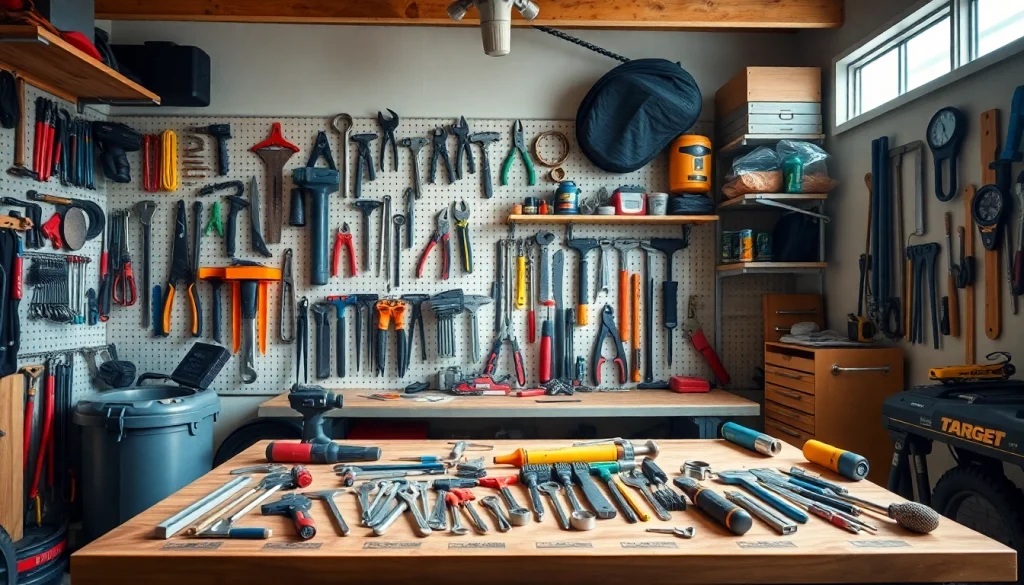
Understanding Workshop Tool Storage
Creating an efficient workspace is vital for any workshop environment. The organization and storage of tools play a significant role in enhancing productivity and safety. Proper workshop tool storage allows professionals and hobbyists to find and access their tools quickly, thereby minimizing downtime and boosting efficiency. This guide delves into the myriad of workshop tool storage strategies to help you create a streamlined workshop.
Importance of Efficient Storage
Efficient storage in workshops is pivotal for several reasons. First and foremost, it fosters a safer working environment by reducing clutter and helping prevent accidents. A well-organized workshop minimizes the risk of misplacing tools, which contributes to productivity. Tools that are easily accessible allow for smoother workflow and higher quality work, as time isn’t wasted searching for items. Furthermore, a tidy workshop promotes a sense of pride and professionalism, enhancing morale.
Main Components of Workshop Tool Storage
There are various components that contribute to efficient workshop tool storage. They include:
- Shelves: Open shelving units provide easy visibility and accessibility to your tools and materials.
- Cabinets: Lockable cabinets can secure valuable tools and materials, preventing theft or damage.
- Toolboxes: Portable toolboxes allow for easy transportation and organization of hand tools.
- Workbenches: A sturdy workbench with built-in storage solutions helps in organizing frequently used tools.
Assessing Your Storage Needs
Every workshop is different, and assessing your specific storage needs is critical. Begin by evaluating the types of tools you have, the frequency of their use, and the space available for storage. Create an inventory of your tools, sorting them into categories such as hand tools, power tools, and safety equipment. Understanding your storage requirements will assist in designing a system that works for you, ensuring that every tool has a designated place for quick access.
Types of Workshop Tool Storage Solutions
Wall-Mounted Options for Space Saving
Maximizing vertical space can drastically improve your workshop’s layout. Wall-mounted storage systems, such as pegboards and wall racks, provide easy access to frequently used tools and free up valuable floor space. You can customize these systems to fit the types and sizes of tools you own, allowing for an efficient and aesthetically pleasing workspace.
Cabinet Systems for Organized Storage
Cabinet systems are effective for storing larger tools or equipment while keeping them out of sight. Choose cabinets with adjustable shelving or drawers to accommodate various tools. Having a designated storage area for each category of equipment helps in maintaining organization and can improve overall efficiency by ensuring that tools are returnable to their designated locations after use.
Mobile Tool Storage for Flexibility
Flexibility is key in any workshop, and mobile tool storage solutions provide just that. Tool carts and rolling toolboxes make it easy to transport tools to different areas within the workspace or even outside for tasks that require mobility. Utilizing this type of storage allows you to keep essential tools close at hand, wherever you may be working.
Best Practices for Organizing Your Workshop Tools
Categorizing Your Tools Effectively
Effective organization starts with categorization. Group tools based on their function or type, such as hand tools, power tools, and specialty items. This method not only simplifies finding the right tool for the job but also aids in keeping track of what you own.
Labeling for Quick Access
Labels can significantly reduce time spent searching for tools. When organizing cabinets or containers, consider labeling each storage area clearly. Invest in waterproof labels that can withstand wear and tear. This simple practice fosters a quick return to order after every project, as items can be returned to their labeled homes effortlessly.
Regular Maintenance Tips
Maintaining an organized workshop requires regular updates to your storage system. Make it a habit to periodically assess your tools, discarding any unused or broken items. Additionally, schedule time to clean your storage spaces and reorganize whenever necessary. This proactive approach ensures that your workshop remains efficient and functional at all times.
Advanced Workshop Storage Techniques
Utilizing Vertical Space
Maximizing vertical space goes beyond just wall-mounted options. Consider using ceiling-mounted storage for items that are not frequently used, such as seasonal equipment or large tools. Installing overhead racks or suspended shelving can free up both floor and wall space, providing more room for active projects.
Integrating Impulse Storage Solutions
Impulse storage solutions, such as mobile workstations and multi-functional furniture, can enhance your workshop. A fold-out table or cart can serve multiple purposes, providing a workspace when needed without permanently occupying space. This flexibility enables you to adapt your workspace to current projects efficiently.
Creating a Dedicated Mobile Workspace
A dedicated mobile workspace can be infused with versatility. It might contain essential tools and a work surface mounted on wheels for portability. Creating a mobile workstation allows for smooth transitions between tasks and different areas, maintaining workflow continuity without delays.
Measuring the Impact of Your Workshop Tool Storage
Tracking Workflow Efficiency
To measure the success of your storage system, keep track of workflow efficiency. Monitor how much time you spend on projects before and after implementing changes to your storage. Consider creating a log of jobs completed to assess whether improved organization has positively influenced productivity.
Using Feedback for Improvements
Soliciting feedback from team members or other users of the workshop can provide insights into the effectiveness of your storage solutions. Gather input on what works well and what could be improved, using this information to adjust your setup accordingly to better meet the needs of all users.
Evaluating Space Utilization
Regularly assess how well your workshop is utilizing the available space. Analyze if there are areas that feel cramped or disorganized, and investigate where adjustments can be made. Implementing changes based on this evaluation helps ensure your workshop remains functional and that all tools are easily accessible.
Frequently Asked Questions
What are the best ways to organize my workshop tools?
Consider categorizing tools by type, labeling storage areas, and using wall-mounted racks or cabinets. Regular maintenance is key to keeping your space organized.
How do I choose the right storage solution for my workshop?
Assess your tools’ types and how often you use them. Mobile solutions work well for frequently used items, while cabinets are great for long-term storage.
How much vertical space can I use for storage?
Utilizing the vertical space depends on your workshop’s height. Ensure storage is reachable, and consider ceiling-mounted options for infrequently used items.
Why is labeling important in tool storage?
Labeling storage areas enhances accessibility and promotes organization. It simplifies finding tools quickly and encourages returning them to their designated spots.
How can I maintain my workshop storage system?
Regularly assess tool usage, clean storage areas, and make adjustments as needed. Set up periodic organization sessions to ensure everything remains in order.