
Understanding Clarksburg Wines
What Defines Clarksburg Wines?
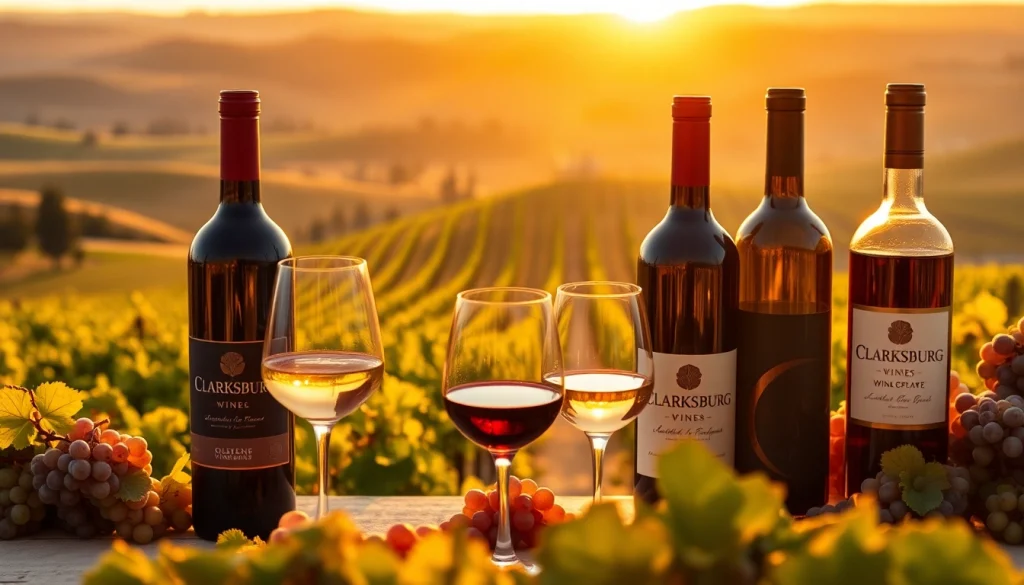
Clarksburg wines are renowned for their unique characteristics that stem from a combination of soil, climate, and grape varietals. Located in California’s Sacramento Valley, this viticulturally rich region offers a distinctive terroir, enabling winemakers to produce a range of styles from crisp whites to robust reds. The warm days and cool nights create an ideal growing environment that accentuates the natural acidity and flavor complexity of the grapes. The Clarksburg wines are celebrated not only for their quality but also for their ability to showcase the essence of their origin.
The Terroir of Clarksburg
The term terroir encapsulates the environmental factors affecting a vineyard, including climate, soil, and topography. Clarksburg’s terroir plays a crucial role in defining its wine profile. The area is characterized by alluvial soils enriched with minerals, which contribute to the grapes’ minerality and depth of flavor. Furthermore, the region’s proximity to the Sacramento River moderates temperatures, allowing grapes to ripen slowly while preserving their acidity and freshness. Such climatic conditions are vital for producing acclaimed varietals like Chenin Blanc and Petite Sirah.
History and Background of Clarksburg Wines
The history of wine production in Clarksburg dates back to the late 19th century when the first vineyards were planted. By the early 1900s, the region was known for its prolific fruit growing, and soon after, grape cultivation became prominent. The establishment of the Clarksburg Wine Region in the 1990s formalized the area’s reputation as a quality wine-producing locale. Today, Clarksburg boasts numerous wineries, each contributing to the evolving narrative of the place, while maintaining a commitment to quality and sustainable practices.
Grape Varietals in Clarksburg
Popular Grape Varietals Used
Clarksburg is primarily celebrated for its Chenin Blanc, which thrives in the unique conditions of the region. This varietal is known for its versatility, expressing notes of green apple, pear, and honey with balanced acidity. Additionally, vineyards in Clarksburg cultivate Zinfandel and Merlot, both of which flourish in the climate, providing rich, flavorful wines that appeal to diverse palates. Another notable varietal is the Petite Sirah, offering bold flavors and a full-bodied structure, making it a favorite among red wine enthusiasts.
Emerging Grape Varietals
In recent years, Clarksburg has seen a rise in the cultivation of lesser-known grape varietals. Notably, Albariño and Grenache are gaining traction, thanks to winemakers’ commitment to experimentation and showcasing the region’s potential. Albariño, a white varietal known for its floral notes and vibrant acidity, adapts well to the Clarksburg climate. Conversely, Grenache brings forth bright fruit flavors and spice, enhancing the area’s diversity in wine offerings.
How Climate Influences Grape Selection
The climate of Clarksburg is a defining aspect of the wine produced in the region. The significant diurnal temperature variation—hot days followed by cool nights—ensures that the grapes develop balanced sugars and acids. This climatic balance influences grape selection and contributes to the diversity of styles available. Winemakers often choose varietals that maximize the expression of this unique climate, which not only enhances flavor profiles but also ensures quality across different vintages.
Tasting Notes and Pairing Suggestions
Flavor Profile of Clarksburg Wines
The flavor profiles of Clarksburg wines are as diverse as the varietals produced. Chenin Blanc typically features bright citrus and stone fruit notes complemented by a refreshing acidity, making it a perfect summer sipper. Meanwhile, Zinfandel often exhibits flavors of blackberry, raspberry, and spice, adding complexity and depth. In contrast, Petite Sirah delivers bold flavors of dark fruit, black pepper, and chocolate, appealing to those who enjoy full-bodied wines.
Ideal Food Pairings
Pairing Clarksburg wines with food can elevate the tasting experience significantly. Chenin Blanc pairs beautifully with seafood such as grilled shrimp or lemony crab dishes, enhancing the dish’s freshness with its acidity. Zinfandel, with its fruit-forward profile, complements barbecue dishes and spicy cuisines like Mexican or Indian, as its sweetness balances the heat. Petite Sirah, rich and intense, matches well with hearty fare, including rich stews or barbecued meats, while its robust body stands up to bold flavors.
Enhancing Your Tasting Experience
To enhance your tasting experience with Clarksburg wines, consider the serving temperature. Whites, like Chenin Blanc, should ideally be served chilled, while reds, including Zinfandel and Petite Sirah, are best enjoyed at slightly cooler than room temperature. Additionally, consider decanting bold reds to aerate the wine, allowing their full potential to be revealed. Using appropriate glassware can also elevate flavors and aromas, so choose glasses that suit the varietal.
The Winemaking Process
Traditional vs. Modern Techniques
The winemaking process in Clarksburg is a blend of traditional techniques and modern innovations. Traditional methods focus on artisanal approaches, such as hand-harvesting and using native yeasts, which preserve the authenticity of the terroir. In contrast, modern winemaking techniques involve advanced technology in monitoring fermentation and aging processes. This juxtaposition allows winemakers to create wines that honor historical practices while simultaneously embracing new methods that enhance quality and efficiency.
The Role of Barrel Aging
Barrel aging is a significant aspect of Clarksburg winemaking, particularly for red varietals. Utilizing oak barrels imparts flavors such as vanilla, spice, and toasted notes that complement the wine’s natural characteristics. The choice of barrel—new versus old, French versus American—further influences the final product, with different woods offering distinctive flavor profiles. The aging process also allows for the gradual integration of these flavors and contributes to the wine’s complexity and smoothness.
Sustainability in Winemaking
Many Clarksburg wineries are committed to sustainable practices, focusing on environmentally friendly methods that reduce their carbon footprint. Techniques such as dry farming, integrated pest management, and organic growing practices not only promote biodiversity but also enhance the overall health of the vineyard. Sustainability is not merely a trend in Clarksburg; it reflects an ethos of responsibility toward the land and future generations of winemakers and wine lovers.
The Future of Clarksburg Wines
Trends in Wine Production
As the wine industry evolves, Clarksburg is adapting to emerging trends that shape the future of production. There is a marked interest in natural wines, which emphasize minimal intervention in the winemaking process. Additionally, the rise of sustainable and biodynamic practices reflects consumers’ growing preference for wines with a conscience. These trends indicate a shift toward transparency and quality, promising a bright future for Clarksburg wines as they tap into global wine conversations.
How to Support Local Wineries
Supporting local wineries in Clarksburg can take many forms. Attending wine tastings, purchasing directly from vineyards, or participating in local events fosters community and promotes awareness of the region’s offerings. Engaging with social media campaigns that highlight local winemakers can vastly increase their visibility. Additionally, local wine clubs often showcase unique selections, providing members with exclusive access to new releases while encouraging the growth of the Clarksburg wine scene.
The Growing Popularity of Clarksburg Wines
The popularity of Clarksburg wines continues to grow, thanks in part to increased consumer awareness and appreciation for California’s diverse wine regions. Winemakers are also gaining recognition for their innovative approaches, enhancing the area’s reputation on a national and international scale. By leveraging digital marketing and storytelling, Clarksburg wineries are able to connect more deeply with consumers, sparking interest in their unique offerings and the intricate narratives behind each bottle.
Frequently Asked Questions
What are the best grape varietals in Clarksburg?
The best grape varietals in Clarksburg include Chenin Blanc, Zinfandel, and Petite Sirah, each contributing a unique flavor profile to local wines.
What is the climate like in Clarksburg?
Clarksburg has a Mediterranean climate with warm days and cool nights, which is ideal for balanced grape ripening and high-quality wine production.
How can I taste Clarksburg wines?
You can taste Clarksburg wines by visiting local wineries for tastings, participating in wine festivals, or joining wine clubs that feature regional selections.
What food pairs well with Clarksburg wines?
Seafood pairs well with Chenin Blanc, while Zinfandel complements barbecued dishes. Petite Sirah matches with hearty meats and rich, flavorful foods.
Why should I try Clarksburg wines?
Clarksburg wines offer a unique taste experience characterized by diverse varietals, a rich heritage, and a commitment to sustainable practices in winemaking.