Understanding Hydraulic Repair Services
What Are Hydraulic Repair Services?
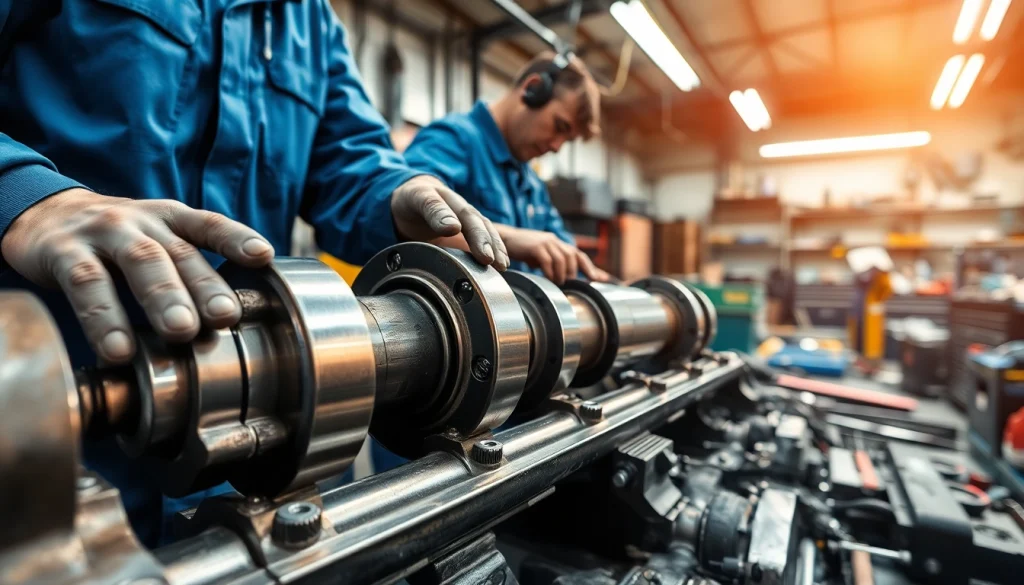
Hydraulic repair services encompass the specialized maintenance and repairs tasked with restoring hydraulic systems to optimal functioning conditions. These systems are vital for various industries, from construction machinery and automotive applications to manufacturing equipment. When components such as pumps, cylinders, or hoses malfunction, hydraulic repair services address these issues effectively, ensuring systems operate safely and efficiently. Engaging in regular maintenance can nip potential problems in the bud, maximizing performance and extending the lifespan of the equipment. Organizations often seek hydraulic repair services to ensure they maintain the integrity and efficiency of their hydraulic operations.
Common Hydraulic Systems and Components
Hydraulic systems consist of several key components, each playing a crucial role in their overall operation:
- Pumps: Convert mechanical energy into hydraulic energy, pressurizing fluid to be distributed throughout the system.
- Actuators: Including hydraulic cylinders that convert hydraulic pressure into linear motion, and hydraulic motors that achieve rotary motion.
- Valves: Regulate fluid flow and pressure within the system, controlling the actuation and direction of movement.
- Filters: Keep the hydraulic fluid clean by removing contaminants that can cause system failures.
- Reservoirs: Store hydraulic fluid, providing a steady supply for the pump and allowing for expansion and contraction of the fluid as temperature changes.
Importance of Timely Repairs
Timeliness in addressing hydraulic system issues is critical. Neglecting minor problems can lead to major breakdowns, which incur higher repair costs and downtime. Regular monitoring and prompt repair services not only enhance safety but significantly prolong the lifespan of hydraulic equipment. Furthermore, timely repairs can improve system efficiency, reducing energy expenditure and operational costs. In industries where hydraulic performance is paramount, the benefits of proactive maintenance and efficient repair services cannot be overstated.
Identifying Hydraulic System Issues
Signs Your Hydraulic System Needs Repair
Recognizing the early signs of hydraulic system issues can prevent extensive damage and expensive repairs. Some key indicators include:
- Dropping Pressure: Sudden drops in pressure are often a telltale sign of leaks or component failures.
- Unusual Noises: Grinding, whining, or clunking sounds are warning signs indicating mechanical failure or low fluid levels.
- Leaks: Physical leaks around hoses, fittings, or actuators indicate a loss of hydraulic fluid, which can severely impair system performance.
- Overheating: Increased temperature can signal inefficient operation or poor fluid condition, necessitating immediate attention.
- Sluggish Operation: Delays in actuator response times suggest issues with fluid flow or pressure delivery.
Common Problems Faced by Hydraulic Systems
Several common problems can arise in hydraulic systems, including:
- Fluid Contamination: Dirt, water, and air can compromise fluid integrity, leading to wear and tear on system components.
- Seal Failures: Worn or damaged seals can lead to leaks, drastically affecting system performance.
- Pump Failures: Issues with hydraulic pumps are typically due to wear after prolonged use or from contamination.
- Valve Malfunctions: Blocked or faulty valves can disrupt flow control, leading to erratic actuator behavior.
- Hydraulic Hose Failures: Hoses can age, swell, or be impacted by environmental factors, leading to leaks or bursts.
Diagnostic Techniques Used in Repair Services
Effective diagnosis is integral to successful hydraulic repair services. Technicians utilize a variety of techniques, including:
- Visual Inspection: A thorough examination of components for signs of wear, leaks, and general faults.
- Pressure Testing: Determining the pressure levels throughout the system to identify irregularities.
- Fluid Analysis: Testing hydraulic fluid for contaminants, which can provide insight into system health.
- Temperature Monitoring: Understanding temperature fluctuations can reveal underlying issues and prevent overheating.
- Vibration Analysis: Measuring vibrations can identify unbalanced components or misalignments in machinery.
Choosing the Right Hydraulic Repair Services
Factors to Consider When Selecting a Service Provider
When seeking hydraulic repair services, several critical factors demand consideration to ensure you choose the right provider:
- Expertise and Specialization: Ensure the provider has experience with your specific hydraulic system type.
- Range of Services: Look for providers offering comprehensive services, including diagnostics, repairs, and maintenance.
- Response Time: Evaluate how quickly the provider can address emergencies to minimize downtime.
- Technological Capabilities: A facility equipped with the latest diagnostic equipment can often deliver superior service.
Certification and Experience in Hydraulic Repairs
Certification and experience can significantly influence the quality of hydraulic repair services. Certifications from recognized bodies demonstrate a provider’s commitment to standards and ongoing education. Moreover, a seasoned technician is often more adept at diagnosing and resolving problems quickly and effectively, minimizing disruptions to your hydraulic operations. Always inquire about the company’s credentials, experience, and any available case studies showcasing their success in similar projects.
Evaluating Service Quality and Customer Feedback
Before entrusting your hydraulic systems to a service provider, evaluate their reputation through customer reviews and testimonials. Effective repair services will often have positive feedback highlighting their response time, customer service quality, and the efficiency of repairs. Online platforms provide insight into others’ experiences, working as a strong indicator of reliability. Word-of-mouth recommendations can also guide you toward reputable providers with proven track records.
The Hydraulic Repair Process Explained
Initial Assessment and Diagnosis Steps
The repair process typically begins with a detailed initial assessment. Technicians will conduct a visual inspection, noting the condition of components and looking for signs of wear or fatigue. Following the inspection, diagnostic tools will be employed to evaluate fluid levels, pressure outputs, and to perform stress tests on various system aspects. This thorough evaluation provides a comprehensive understanding of the issues at hand, ensuring subsequent repair actions are appropriately targeted.
Repair Techniques and Technology Used
Repair techniques vary according to the findings from the assessment stage. Technicians may utilize methods such as:
- Seal Replacements: Worn seals are replaced to prevent leaks and restore component function.
- Component Rehabilitation: Existing components may be repaired rather than replaced to save costs where feasible.
- Fluid Replacement: Contaminated fluid is drained and replaced with high-quality hydraulic fluid, optimally suited for the system.
- Hose Replacement: Damaged hoses are replaced with new ones, ensuring safe and effective fluid transfer.
- Calibration: After repairs, systems are calibrated to ensure they are functioning at the manufacturer’s specified parameters.
Post-Repair Maintenance Recommendations
Following repair completion, maintenance is crucial for maintaining system efficiency. Technicians typically recommend regular inspections, fluid analysis, and monitoring of pressure levels and temperatures. Implementing a maintenance schedule can reduce the likelihood of future breakdowns. Additionally, keeping records of repairs and maintenance can help identify patterns in system performance, making it easier to anticipate future needs.
Frequently Asked Questions about Hydraulic Repair Services
What are the most common issues in hydraulic systems?
Common issues include fluid contamination, seal failures, pump issues, valve malfunctions, and hose failures, which can affect efficiency and safety.
How long does the hydraulic repair process typically take?
The duration depends on the extent of the repairs needed, ranging from a few hours for minor fixes to several days for extensive overhauls.
What qualifications should repair technicians have?
Technicians should have certifications in hydraulic systems, substantial hands-on experience, and knowledge of diagnostic tools and repair techniques.
How can I prevent hydraulic system failures?
Regular maintenance, timely repairs, proper fluid management, and monitoring performance can prevent hydraulic system failures and save costs.
When should I consider replacing a hydraulic component?
Replacing components is advisable when repairs are no longer cost-effective, or when issues arise frequently, indicating underlying systemic problems.