
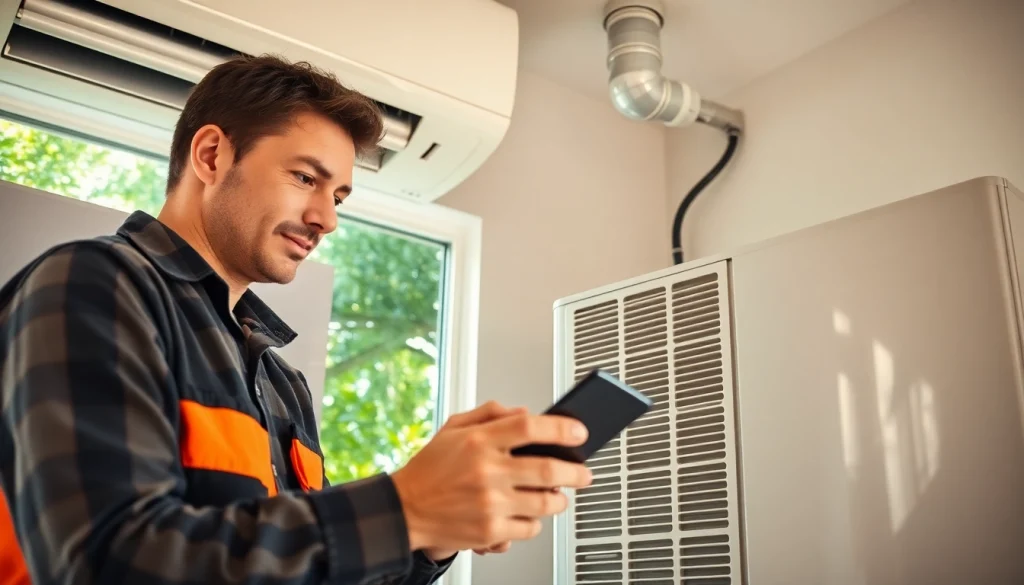
The Importance of Professional Heating and Cooling Services
In today’s world, climate control in our homes and workplaces has become a critical aspect of comfort and well-being. By engaging in heating and cooling services, individuals can ensure their HVAC systems operate efficiently, saving money and enhancing indoor air quality. To fully appreciate the value of hiring professionals for these services, we must first understand how HVAC systems work and the numerous benefits of professional installation and maintenance.
Understanding HVAC Systems
HVAC, which stands for Heating, Ventilation, and Air Conditioning, refers to the technology of indoor environmental comfort. A well-functioning HVAC system ensures your home remains warm during the winter months and cool during the summer while maintaining optimum air quality.
Key components in HVAC systems include:
- Heating Element: This is often a furnace, heat pump, or boiler that creates warmth during colder months.
- Cooling Element: Typically an air conditioning unit or heat pump that cools down space when temperatures rise.
- Ventilation: This includes ductwork and exhaust systems that facilitate airflow, ensuring a steady supply of fresh air and removing stale air.
- Thermostats: The control units that allow users to set desired temperature levels.
Understanding these components is essential in recognizing how proper installation and maintenance can affect system efficiency and lifespan.
Benefits of Professional Installation
Engaging professionals for the installation of your HVAC system can yield significant advantages:
- Correct Sizing: Professionals can accurately size your HVAC equipment to your space, enhancing efficiency and comfort.
- Safety: Improper installation can lead to safety hazards, such as gas leaks or electrical fires. Professionals ensure systems are correctly installed and compliant with safety standards.
- Warranty Compliance: Many manufacturers require professional installation for warranty coverage. DIY installations may void your warranty.
- Long-Term Cost Savings: A professionally installed system operates more efficiently, which can lead to lower energy bills over time.
Common HVAC Issues and Solutions
Even with professional installation, complications can arise. Common HVAC issues include variable temperatures, poor airflow, and undue noise. Here are some common problems and their solutions:
- Inconsistent Temperatures: Usually caused by blocked filters or ductwork. Regular maintenance and filter changes often resolve this.
- Loud Noises: Unusual sounds could indicate mechanical issues or loose parts. A professional inspection can diagnose and fix these concerns.
- Low Airflow: Often due to clogged ducts or low refrigerant levels. Clearing ducts and inspecting refrigerant levels can restore function.
Types of Heating and Cooling Services Available
Heating and cooling services encompass a broad range of offerings tailored to various needs. Both residential and commercial properties benefit from specialized solutions designed for their unique requirements.
Residential Heating Solutions
Homeowners have a few options for residential heating, which include:
- Furnaces: These can be gas, electric, or oil-based and provide reliable warmth for homes.
- Heat Pumps: Effective in milder climates, heat pumps transfer warmth rather than generate it, making them energy-efficient.
- Radiant Heating: Utilizing heated floors or wall panels, this system warms spaces directly for an even distribution of heat.
It is essential for homeowners to consider factors such as climate and home layout when selecting a heating solution.
Commercial Cooling Options
Commercial properties require robust cooling solutions to handle larger spaces and greater heat loads. Common options include:
- Centrifugal Chillers: Ideal for large buildings, these systems provide efficient cooling through a comprehension cycle.
- Package Units: These all-in-one systems are often roof-mounted and can cool large spaces efficiently.
- Ductless Systems: Such systems allow for targeted cooling in specific areas without extensive ductwork.
Commercial cooling systems often require advanced controls for temperature management, ensuring comfort even in varying occupancy levels.
Maintenance Services and Inspections
Regular maintenance is essential to ensure optimal performance of HVAC systems. Major services include:
- Seasonal Inspections: Ensuring that systems are functioning properly before extreme weather conditions.
- Cleaning and Replacement: Maintaining clean filters and coils to promote airflow and system efficiency.
- System Tune-Ups: Minor adjustments can ensure peak operating conditions, enhancing longevity.
Choosing the Right Heating and Cooling Service Provider
When selecting a heating and cooling service provider, several factors come into play that can significantly impact your experience and satisfaction with your HVAC system.
Qualities to Look For
Choosing the right provider is crucial for quality assurance. Consider the following qualities:
- Experience: Look for contractors with a proven track record in the industry.
- Certifications: Verified certifications suggest expertise and adherence to industry standards.
- Customer Service: A responsive and attentive service approach can enhance your overall experience.
Understanding Pricing Structures
Pricing for heating and cooling services can vary widely. Understanding the structure can help you make informed decisions:
- Flat Rates: Some companies charge a flat fee for specific services, while others might charge hourly.
- Service Contracts: Annual contracts can offer peace of mind by providing regular maintenance for a fixed price.
- Quotation Transparency: Ensure that the provider gives detailed estimates that outline costs for parts, labor, and service.
Reading Customer Reviews Effectively
Customer testimonials can offer valuable insights into a company’s reliability and service quality. Consider the following:
- Look for Patterns: Repeated comments regarding specific issues can indicate actual service trends.
- Check Ratings Across Platforms: Don’t rely solely on one platform; consider reviews from Google, Yelp, and Better Business Bureau.
- Recent Reviews Matter: Older reviews may not accurately reflect the current state of a company.
Seasonal Considerations for Heating and Cooling Services
Preparing for seasonal temperature fluctuations is essential for both comfort and energy efficiency. Here are key considerations for each season:
Winter Heating Preparation Tips
To optimize heating during winter, homeowners should:
- Inspect and replace air filters regularly to maintain airflow.
- Seal any gaps around windows and doors to minimize heat loss.
- Schedule a furnace check-up to ensure the system is ready for colder temperatures.
Summer Cooling Strategies
For cooling during summer months, consider these strategies:
- Keep blinds and curtains closed during the day to block direct sunlight.
- Conduct regular maintenance checks on air conditioning systems to ensure optimal performance.
- Use programmable thermostats to manage cooling schedules efficiently.
Year-Round Maintenance Practices
Maintaining your HVAC system year-round is vital to extend its lifespan and efficiency:
- Develop a regular inspection schedule with HVAC professionals.
- Keep outdoor units free of debris to avoid blockages.
- Invest in duct cleaning every few years to ensure air quality.
Frequently Asked Questions About Heating and Cooling Services
How often should HVAC systems be serviced?
It’s recommended to service HVAC systems at least twice a year, ideally before summer and winter, to ensure optimal performance.
What are signs that my heating system needs repair?
Indications include inconsistent heating, unusual noises, rising energy bills, and frequent cycling on and off.
How can I improve the efficiency of my HVAC system?
Regular cleaning, timely filter replacements, and sealing leaks can significantly enhance system efficiency.
What should I expect from a heating and cooling service visit?
Professionals will inspect, clean, and potentially repair components, ensuring the system operates at peak efficiency.
Are there energy-efficient heating and cooling options available?
Yes, modern technologies like heat pumps and smart thermostats can greatly increase energy efficiency in heating and cooling systems.