
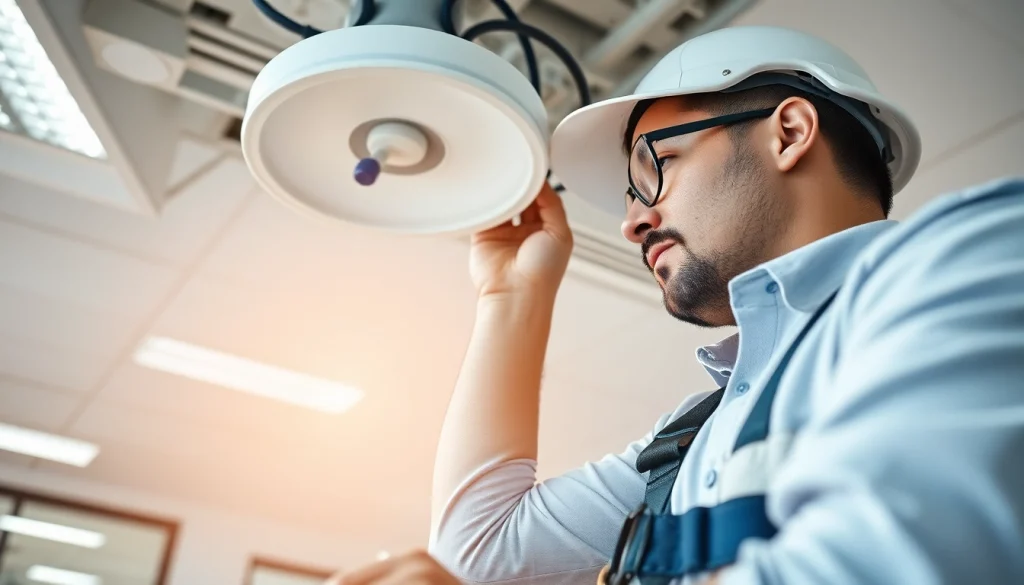
Understanding the Importance of Lighting Service Maintenance
Why Regular Maintenance Matters
Lighting systems are essential elements of any environment, providing both functional illumination and contributing to aesthetic appeal. Over time, however, without proper upkeep, lighting fixtures can degrade in performance and reliability. Lighting service maintenance is vital to prevent issues before they arise, ensuring the longevity and efficiency of the systems in place. Regular inspections can help identify potential failures, leading to enhanced safety and reduced operational costs.
Common Issues in Lighting Systems
Several problems can occur in lighting systems, often due to neglect. These include flickering lights, inconsistent brightness, burnt-out bulbs, and fixtures that require replacement. Additionally, wiring issues can lead to more severe safety complications, such as short circuits or fires. Recognizing these common problems is the first step toward maintaining an effective lighting setup.
Benefits of Professional Maintenance Services
Engaging professional services can yield numerous benefits. Experts not only conduct routine checks but also stay updated on the latest technologies and best practices in the field. Furthermore, they can provide effective troubleshooting strategies that may be overlooked in DIY approaches, ultimately saving time and costs associated with more extensive repairs in the future.
Types of Lighting Service Maintenance
Preventive Maintenance Strategies
Preventive maintenance focuses on regular and scheduled checks to ensure optimal performance. This can include replacing bulbs before they burn out, cleaning fixtures to remove dust buildup, and checking for signs of wear in electrical components. These strategies aim to identify potential issues early, thereby extending the lifespan of the lighting systems.
Corrective Maintenance and Troubleshooting
Corrective maintenance refers to repairs made after issues have occurred. This may involve replacing faulty components or fixing wiring problems. Troubleshooting is crucial here; trained professionals can pinpoint the issue quickly and enact effective repairs. Implementing corrective maintenance helps restore systems to their optimal functions without unnecessary delays.
Seasonal Maintenance Practices
Seasonal maintenance involves specific tasks tailored to the changes in weather or usage patterns. For instance, preparing outdoor lighting systems for winter can prevent frost damage, while ensuring that indoor systems are optimized for peak usage during holidays can be critical. Proactive seasonal checks help in maintaining consistent functionality across varying conditions.
DIY vs. Professional Lighting Service Maintenance
When to Call a Professional
Understanding when to call a professional is critical for effective maintenance. Tasks involving complex electrical systems, safety inspections, or anything beyond simple bulb replacements should be handled by trained professionals. If there’s uncertainty regarding the integrity of the wiring or fixtures, consulting an expert is the safest approach.
Safe DIY Maintenance Tips
For those who prefer to handle light maintenance themselves, it’s essential to follow safe practices. Always ensure power is turned off before starting any work. Use appropriate tools and equipment, such as insulated gloves and ladders, to avoid hazards. Regularly cleaning fixtures and updating bulbs can also be safely performed by individuals comfortable with basic maintenance.
Tools Required for Effective Maintenance
Having the right tools can significantly impact the effectiveness of DIY maintenance. Essential tools may include screwdrivers, a voltage tester, wire strippers, a ladder, and cleaning supplies. Investing in quality tools can streamline maintenance processes and ensure better safety during any maintenance activity.
Costs Associated with Lighting Service Maintenance
Budgeting for Regular Maintenance
Budgeting for regular maintenance is vital for managing long-term costs effectively. Predictable expenses associated with routine checks can help ensure that adequate funds are available when necessary. Many businesses and homeowners find establishing a contracted service spanning a year can create a more manageable financial plan.
Factors Influencing Maintenance Costs
Several factors can influence the costs of maintenance services. These may include the type of lighting system, the complexity of repairs, geographical location, and service provider rates. Understanding these factors can help in making informed decisions regarding maintenance and potential contracts.
Maximizing Value in Maintenance Contracts
When entering into maintenance contracts, it’s crucial to evaluate what services are included. Look for contracts that offer comprehensive maintenance schedules, combined with quick response times and transparent pricing. Maximizing value can also mean receiving regular performance reviews and updates on the latest technologies beneficial for your specific systems.
Measuring the Effectiveness of Lighting Service Maintenance
Performance Metrics to Consider
Measuring the effectiveness of lighting service maintenance involves selecting the right performance metrics. Key indicators might include the frequency of repairs, energy consumption rates, and customer satisfaction scores. Tracking these metrics regularly can provide insights into the overall health and efficiency of lighting systems.
Feedback and Review Systems
Implementing feedback and review systems presents advantages in assessing service quality. Routine surveys among employees or occupants regarding lighting effectiveness can pinpoint areas needing improvement. Additionally, engaging feedback from maintenance personnel can help in refining processes and improving future services.
Continuous Improvement in Maintenance Practices
Continuous improvement involves ongoing evaluation and adaptation of maintenance practices based on performance data and feedback. This can lead to optimized processes and reduced costs while maintaining high service levels. Regular training for maintenance staff can also enhance skills, ensuring that practices remain up-to-date with the latest industry standards.
FAQs about Lighting Service Maintenance
1. How often should lighting maintenance be performed?
Lighting maintenance should generally be done at least once a year, with more frequent checks for high-usage areas.
2. Can I perform my own lighting maintenance?
Yes, basic maintenance like bulb replacement and cleaning can be DIY. However, complex repairs should be handled by professionals.
3. What are the signs that my lighting system needs maintenance?
Flickering lights, dimming, or frequent bulb burnouts are indicators that your lighting system may require attention.
4. What factors affect maintenance costs?
Maintenance costs can vary based on system complexity, geographical location, and the specific services offered by providers.
5. How can I ensure I get value from my maintenance contract?
To maximize value, choose a contract that offers comprehensive service, quick response times, and regular performance reviews.