
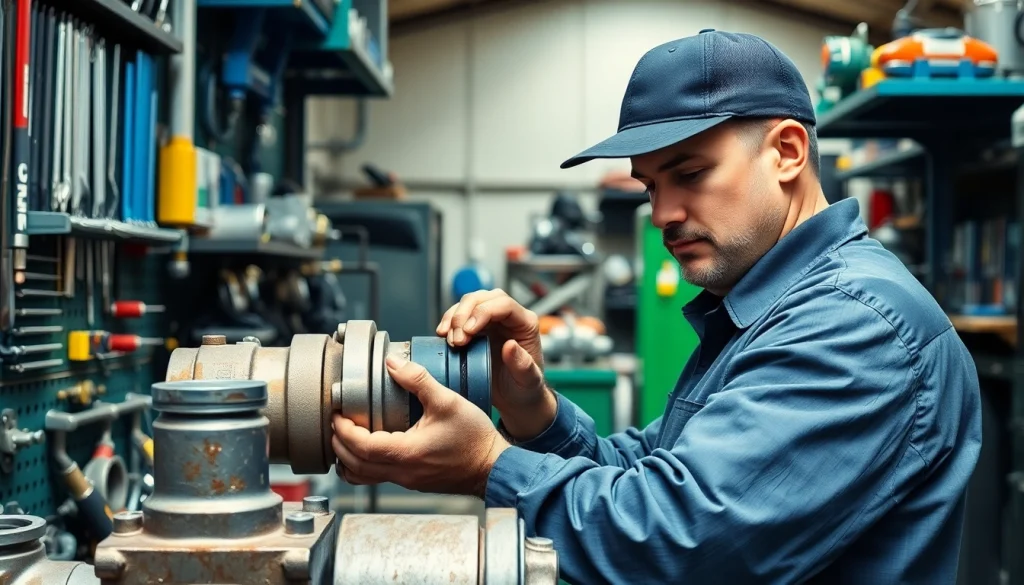
Understanding Hydraulic Repair Services
What Are Hydraulic Repair Services?
Hydraulic repair services encompass a wide array of maintenance and repair tasks aimed at ensuring the optimal functioning of hydraulic systems. These services can address issues from minor leaks to major component failures, involving comprehensive diagnostics and troubleshooting. Professionals in this field utilize specialized tools and expertise to restore hydraulic systems to peak performance, ultimately enhancing equipment longevity.
Common Hydraulic System Issues
Hydraulic systems, essential in various industries for shifting loads and providing power, can encounter several issues, including:
- Fluid Leaks: Often caused by worn seals, damaged hoses, or corroded fittings, leading to decreased performance and efficiency.
- Overheating: Resulting from inadequate lubrication or blocked filters, overheated hydraulic fluids can cause severe system damage.
- Noise and Vibration: Unusual noises may indicate mechanical issues, such as damaged gears or misaligned components.
- Pressure Drops: Pressure loss can stem from blockages in lines or failing pumps, compromising system effectiveness.
Benefits of Professional Repair Services
Engaging professional hydraulic repair services delivers numerous advantages, including:
- Expertise: Certified technicians possess in-depth knowledge to identify issues promptly and accurately.
- Safety: Professionals follow safety protocols, reducing the risk of accidents in high-pressure systems.
- Cost Efficiency: Early detection and repair of issues prevent extensive damage and high replacement costs in the future.
- Time Savings: Professionals have access to the right tools and parts, enabling quick and efficient repairs.
Key Components of Hydraulic Systems
Hydraulic Pumps and Their Functions
Hydraulic pumps are the heart of hydraulic systems, converting mechanical energy into hydraulic energy to move fluid throughout the system. Various types of pumps, including gear, piston, and vane pumps, serve different functions based on application demands. Understanding how these pumps operate is crucial for effective repairs, as any malfunction can lead directly to system performance issues.
Importance of Cylinders in Repair
Hydraulic cylinders are essential components that convert hydraulic pressure into linear motion. They consist of a cylinder barrel, piston, and rod, all of which must operate flawlessly for optimal function. Trouble with seals or cylinder wear can lead to performance drops or complete system failure, making their timely inspection and repair vital.
Fluid Mechanics in Hydraulic Repair
Fluid mechanics plays a critical role in hydraulic systems, as the behavior of hydraulic fluid directly affects the system’s performance. Understanding fluid properties, such as viscosity and flow rate, enables technicians to diagnose potential issues effectively. Proper fluid selection and maintenance impact energy efficiency and system lifespan, making it an essential aspect of hydraulic repair.
Choosing the Right Hydraulic Repair Services
Factors to Consider When Selecting a Service
Choosing a hydraulic repair service requires careful consideration of various factors:
- Experience: Look for providers with a strong track record in hydraulic repairs, particularly in your industry.
- Certifications: Verified credentials ensure that technicians are trained and knowledgeable.
- Warranty and Guarantee: Reliable services offer warranties on repair work, providing added assurance.
- Response Time: Efficient services should guarantee minimal downtime, offering quick assessments and repairs.
Evaluating Service Providers
Perform thorough evaluations of potential hydraulic repair providers by considering the following:
- Reviews and Testimonials: Look for customer reviews and case studies to gauge satisfaction levels and effectiveness.
- Facility Inspection: A visit to the service center can provide insights into their operational standards and equipment.
- Service Capabilities: Ensure they offer comprehensive services, from routine maintenance to emergency repairs.
Asking the Right Questions
When interviewing service providers, asking pertinent questions can help ensure you find the right fit:
- What are your turnaround times for various services?
- Do your repairs come with any guarantees or warranties?
- What types of hydraulic systems have you worked with?
- Can you provide references from previous clients?
- What maintenance plans do you recommend for ongoing system care?
Best Practices for Hydraulic System Maintenance
Regular Inspection Guidelines
Implementing a consistent inspection schedule is crucial for hydraulic system longevity. Key practices include:
- Visual Inspections: Regularly check hoses, fittings, and connections for leaks and wear.
- Fluid Level Checks: Monitor fluid levels and quality. Ensure fluids meet manufacturer specifications.
- Functional Testing: Periodically assess system performance under normal operating conditions.
Common Maintenance Tasks
Routine maintenance tasks include:
- Fluid Changes: Schedule fluid changes based on manufacturer recommendations to maintain viscosity and prevent contamination.
- Filter Replacements: Change filters regularly to ensure that contaminants do not affect system performance.
- Seal and Hose Checks: Regularly inspect and replace worn seals and hoses to prevent leaks and ensure safety.
When to Schedule Repairs
Repairs should be scheduled as soon as issues are detected. Common indicators include:
- Noticeable drops in pressure.
- Unusual sounds during operation.
- Fluid leaks or pooling under machinery.
Although regular maintenance can help prevent issues, staying proactive about repairs can mitigate the risk of major system failures.
FAQs about Hydraulic Repair Services
How often should hydraulic systems be serviced?
Hydraulic systems should be serviced at least annually or when performance issues arise. Regular maintenance reduces the risk of costly downtimes.
What signs indicate hydraulic repair is needed?
Signs include leaks, unusual noises, or decreased performance. Timely attention to these issues can prevent more severe failures.
Are hydraulic repair services expensive?
Costs vary based on the repair scope and system complexity, but timely repairs often save money by extending equipment life.
Can I perform my own hydraulic repairs?
While some minor maintenance tasks can be done, professional repair services are recommended for complex issues to ensure safety and reliability.
What is the average turnaround time for repairs?
Turnaround times depend on the issue’s complexity, but most repairs are completed within a few days. Consult your service provider for specifics.
When in need of hydraulic repair services, understanding the intricacies of hydraulic systems is paramount for both preventative measures and effective repairs. An informed approach ensures that operations remain smooth, safe, and efficient.