
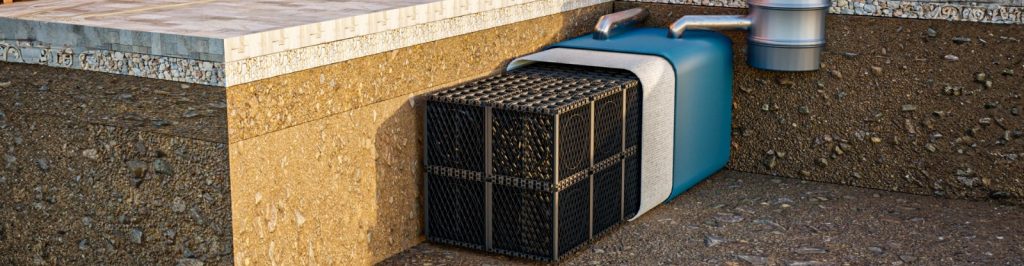
Urban areas are increasingly facing challenges related to stormwater management due to rapid urbanization, impervious surfaces, and climate change. Effective stormwater management is essential to prevent flooding, reduce pollution, and promote sustainable water practices. At HOENSOEY, our innovative stormwater modules provide a modular, efficient, and scalable solution for urban stormwater challenges. These modules are designed to manage, store, and treat stormwater, offering cities and developers a reliable method to address stormwater issues while supporting sustainable urban development.
Understanding Stormwater Challenges in Urban Areas
Urban environments often struggle with excessive stormwater runoff due to paved surfaces like roads, sidewalks, and rooftops. This runoff can overwhelm drainage systems, causing localized flooding, erosion, and water pollution. Traditional stormwater management systems are often rigid, costly, and difficult to adapt to varying urban landscapes. Stormwater modules from HOENSOEY provide a flexible, modular solution that can be tailored to different project scales and requirements. By integrating these modules, cities can effectively manage stormwater at its source and reduce downstream impacts.
What Are Modular Stormwater Modules?
Stormwater modules are prefabricated units designed to capture, store, and treat stormwater. They can be installed underground or within green infrastructure systems, depending on project needs. These modules often feature interlocking designs that allow for scalable installations, making them suitable for small developments as well as large urban projects. The modular design ensures that the system can expand or adapt as stormwater management needs evolve, providing a long-term solution for urban planners and engineers.
Advantages of Using Stormwater Modules
1. Flexibility and Scalability
One of the key benefits of stormwater modules is their modular nature, which allows for flexible system design. These modules can be configured to fit limited spaces or expanded to handle large stormwater volumes. This adaptability ensures that urban projects, regardless of size or complexity, can implement effective stormwater management solutions without extensive redesign or construction.
2. Efficient Water Management
Stormwater modules are engineered to optimize water storage and infiltration. By capturing runoff at the source, these modules help prevent flooding and reduce the pressure on traditional drainage systems. They can also promote groundwater recharge and improve water quality by allowing sediment and pollutants to settle before water is discharged.
3. Environmental Sustainability
Integrating stormwater modules into urban infrastructure supports sustainable development. By reducing runoff and promoting natural water infiltration, these modules help mitigate urban heat island effects, enhance soil moisture, and create opportunities for green landscaping. This makes them an environmentally responsible choice for modern cities.
4. Cost-Effective Solutions
Traditional stormwater management systems often involve extensive excavation, concrete structures, and long-term maintenance costs. Stormwater modules, in contrast, are prefabricated, lightweight, and easy to install, reducing construction time and associated expenses. Their modular nature also allows phased implementation, helping developers manage budgets more effectively.
Applications of Stormwater Modules
Stormwater modules are versatile and can be integrated into various urban settings. Common applications include:
- Residential and commercial developments: For onsite stormwater storage and infiltration.
- Public parks and green spaces: To manage runoff while enhancing green infrastructure.
- Roadways and parking lots: To reduce surface flooding and improve water quality.
- Industrial sites: To handle large volumes of runoff while complying with regulatory requirements.
By incorporating stormwater modules into these areas, cities and developers can reduce flooding risk, comply with environmental regulations, and support urban sustainability goals.
Installation and Maintenance
Installing stormwater modules is straightforward due to their modular design. Modules can be connected to form large storage systems or configured individually for smaller projects. Maintenance requirements are minimal compared to traditional stormwater infrastructure. Regular inspections ensure debris and sediment are removed, maintaining optimal performance. The modular nature allows individual units to be replaced or expanded without disrupting the entire system.
Future of Urban Stormwater Management
As urban populations grow and climate patterns become more unpredictable, the need for innovative stormwater solutions will continue to rise. Stormwater modules provide cities with a flexible, effective, and sustainable approach to managing stormwater. They represent a shift from rigid infrastructure to adaptable, environmentally friendly solutions capable of meeting current and future urban challenges.
Conclusion
In conclusion, stormwater modules from HOENSOEY offer a practical, scalable, and sustainable solution for urban stormwater management. By addressing flooding, improving water quality, and supporting green infrastructure, these modules help cities and developers create resilient and environmentally responsible urban landscapes. Their modular design ensures adaptability, cost efficiency, and ease of maintenance, making them an ideal choice for both small-scale projects and large urban developments. Investing in stormwater modules is not just a response to today’s stormwater challenges—it’s a proactive strategy for building more sustainable, livable cities for the future.