
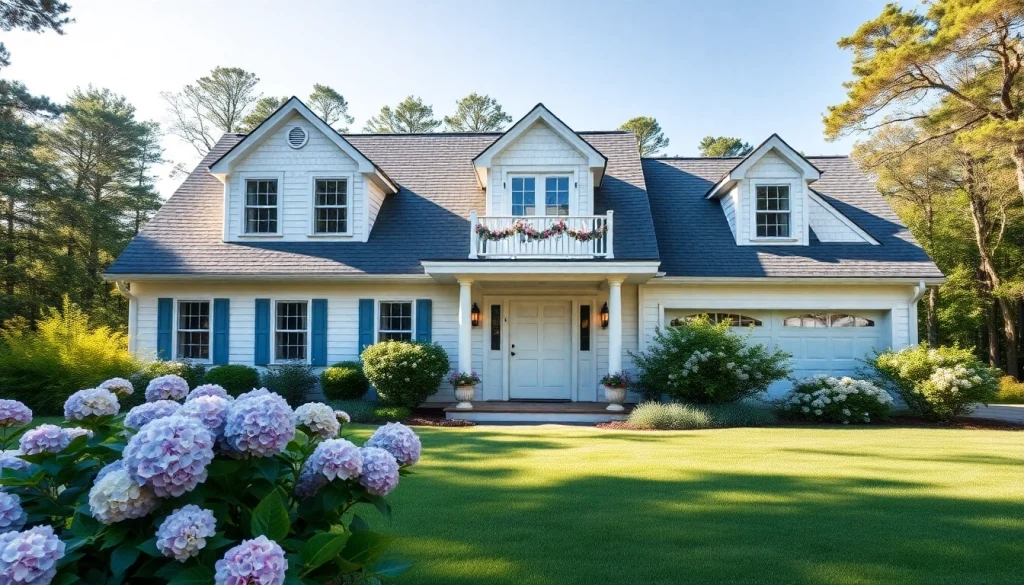
Understanding Cape Cod Home Design
Historical Background of Cape Cod Homes
The origins of cape cod home design can be traced back to the early 17th century. Settlers in New England built these homes to withstand the region’s harsh winters and provide ample shelter from storms. Characterized by their symmetrical façades and steep roofs, Cape Cod homes are designed primarily for practicality. The early homes often featured one story and simple rectangular shapes, allowing them to settle comfortably into the environment. As time progressed, the design evolved; builders incorporated dormer windows and porches to improve aesthetics and functionality, adapting to the needs of contemporary families while retaining the classic charm that defines Cape Cod architecture.
Architectural Features to Consider
A typical Cape Cod home exhibits several defining architectural features. Firstly, the steep gable roof, covered in cedar shingles, is not just visually appealing but also enables efficient water runoff during rainstorms. Furthermore, the placement of multi-pane windows provides great natural light while retaining a traditional look. When considering expansion, ensuring that any new features harmonize with existing elements is essential. Features such as a large front porch or dormer windows can enhance both the functionality and aesthetics of your home.
Common Layouts and Styles
The layout of a Cape Cod home is typically open, fostering a sense of spaciousness despite smaller square footage. Common styles include the classic one-and-a-half-story design, which maximizes usable space without compromising the exterior design. More modern interpretations might incorporate open floor plans which allow for a seamless flow between living spaces. Regardless of the style chosen, incorporating traditional elements into your expansion—such as wood beams or shiplap walls—can create cohesion and maintain the integrity of a cape cod home.
Planning Your Cape Cod Home Expansion
Assessing Space Needs for Your Family
Before embarking on any expansion, it’s crucial to assess your family’s specific needs. Consider the number of bedrooms, bathrooms, and common areas required for your household size. Conduct a thorough inventory of your current space utilization to identify areas that may be underutilized. Additionally, engaging family members in the planning process helps to ensure that the final design will meet everyone’s needs. Gathering this information will serve as a foundation for a successful expansion that enhances the functionality of your cape cod home.
Design Elements for a Modern Feel
While traditional Cape Cod homes are nostalgic and charming, there’s ample opportunity to incorporate modern design elements into your expansion. Open spaces can be achieved by installing large sliding doors that connect indoor and outdoor areas, creating an inviting atmosphere that blurs the line between nature and dwellings. Additionally, the use of contemporary materials, such as fibercement siding or energy-efficient window options, can improve both the visual appeal and energy efficiency of your home. Blending modern convenience with traditional charm encourages a living space that is comfortable and trendy.
Permits and Regulations for Expansions
Before proceeding with any construction work, understanding local building codes and obtaining necessary permits is paramount. Consult with your local zoning office to determine what permits are required for home expansions in your area. Factors such as property lines, building heights, and neighborhood aesthetics will all influence the approval process. Familiarize yourself with regulations as they are designed to maintain structural integrity and community safety, protecting both your investment and the home environment.
Incorporating an Attached Garage in Your Cape Cod Home
Benefits of an Attached Garage
An attached garage provides numerous benefits for a Cape Cod home, the most significant being convenience. With direct access to your home, unloading groceries or other items during inclement weather becomes hassle-free. Additionally, an attached garage can offer enhanced security for vehicles and additional storage space. Given the limited parking often seen in coastal neighborhoods, having an attached garage can also increase your property’s overall value, making it an economically sound investment.
Design Considerations for Cohesion
When planning your attached garage, ensuring cohesion with the rest of your cape cod home is essential. This involves matching materials, architectural styles, and colors to create a seamless appearance. A common approach is to use the same shingles and paint scheme as the main house, ensuring the design flows smoothly. Additionally, incorporating windows that mirror existing styles maintains the traditional Cape Cod aesthetic while allowing natural light into the garage.
Sustainable Garage Practices
With growing awareness of environmental sustainability, implementing eco-friendly practices in your garage design can significantly reduce your home’s carbon footprint. Options include installing solar panels on the garage roof, which can power electric vehicle chargers or additional home appliances. Additionally, utilizing reclaimed materials and energy-efficient insulation can reduce energy consumption. By choosing sustainable practices, you not only enhance the functionality of your attached garage but also contribute positively to the environment.
Finding the Right Materials for Your Cape Cod Home
Traditional Materials and Their Longevity
Utilizing traditional materials is critical in maintaining the authenticity and charm of a Cape Cod home. Cedar shingles remain a popular choice for their natural beauty and durability, requiring minimal upkeep while offering excellent resistance to moisture. Moreover, wooden windows, when properly maintained, can last a lifetime, providing aesthetic appeal and functional performance. Additionally, brick and stone elements can enhance your property’s exterior, adding character and longevity to its design.
Energy-Efficient Choices for Modern Homes
Incorporating energy-efficient materials into your Cape Cod home can have substantial long-term benefits. Opting for double or triple-glazed windows can improve insulation and help regulate indoor temperatures, significantly lowering energy bills. Likewise, using materials such as insulated vinyl siding or energy-efficient roofing can enhance the home’s thermal performance, aligning tradition with modern sustainability practices. By investing in energy-efficient choices, you are not only creating a more comfortable living space but also enhancing your home’s value over time.
Local Vendors and Sourcing Options
When sourcing materials for your expansion or garage, exploring local vendors can result in significant advantages, including cost savings and easier project coordination. Many local suppliers specialize in traditional materials suited for Cape Cod designs. Building strong relationships with these vendors can result in obtaining competitive pricing and high-quality products tailored for New England’s climate. Additionally, local sourcing supports the community and fosters sustainable practices within your project.
Maintaining Your Cape Cod Home
Seasonal Maintenance Tips
Routine maintenance is crucial for preserving the integrity of your Cape Cod home. Seasonal inspections should include checking gutters and downspouts for clogs, inspecting the roof for potential damages, and cleaning cedar shingles as needed to prevent mold growth. Regular painting and staining can also prolong the life of exterior materials and enhance curb appeal. Establishing a seasonal checklist can help ensure that your home remains in optimal condition year-round.
Enhancing Curb Appeal
Improving the curb appeal of your Cape Cod home can increase its value and provide a welcoming environment for guests. Simple enhancements such as landscaping, including flower beds and trimmed hedges, can significantly improve the aesthetic of your property. Additionally, fresh paint on the front door, stylish house numbers, and outdoor lighting fixtures can create a warm and inviting entrance. These small details can have a large impact on the first impression of your home.
Frequently Asked Questions about Cape Cod Homes
What are the key features of a Cape Cod home?
Key features include steep gable roofs, symmetrical shapes, dormer windows, and cedar siding, embodying a classic yet functional design.
What is the average cost of expanding a Cape Cod home?
The cost can vary significantly based on design choices, size, and materials but typically ranges from $100 to $300 per square foot.
Are Cape Cod homes energy-efficient?
Many Cape Cod homes can be energy-efficient with proper insulation, energy-efficient windows, and up-to-date HVAC systems, reducing utilities.
Is an attached garage worth the investment?
Yes, an attached garage can increase your home’s value and provide convenience, security, and additional storage space.
How do I maintain the exterior of my Cape Cod home?
Regular maintenance includes checking gutters, cleaning siding, inspecting roofs, and repainting as needed to prevent deterioration over time.