
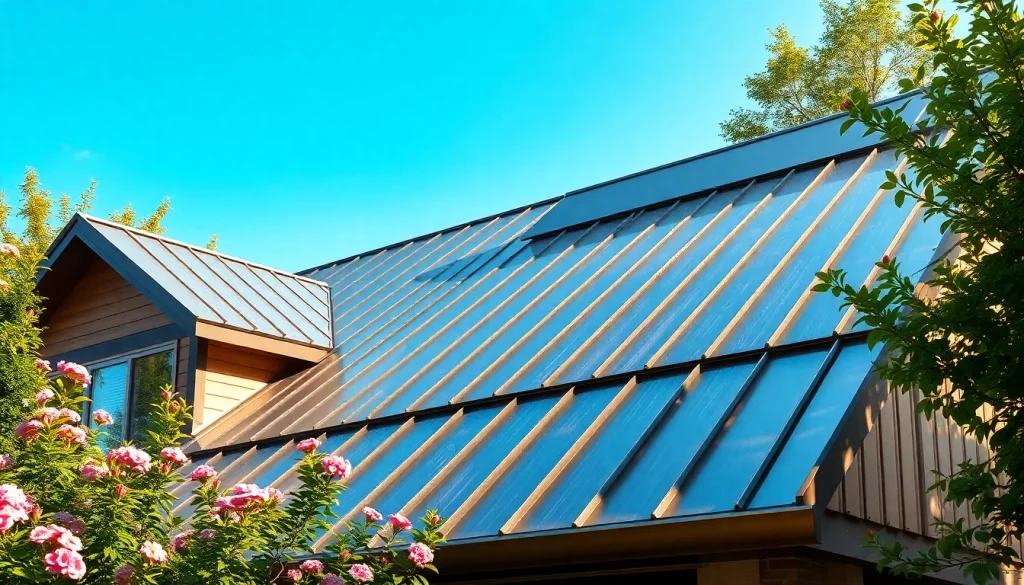
Introduction to Metal Roofing
Metal roofing has emerged as a popular choice for homeowners and commercial property builders alike, recognized for its durability, longevity, and contemporary aesthetics. Unlike traditional roofing materials, metal roofing offers an array of benefits that can significantly enhance your property’s value and functionality. This article delves deep into the world of metal roofing, exploring various materials, benefits, costs, installation processes, maintenance, and much more.
What is Metal Roofing?
Metal roofing consists of metal pieces or tiles that are used as a roofing material, known for their robustness and corrosion resistance. Common materials include steel, aluminum, copper, and zinc. They can be formed into panels or shingles, providing a versatile range that fits various architectural styles. With advancements in technology, metal roofs can now mimic the appearance of traditional roofing materials while delivering superior performance. This innovation bridges any aesthetic concerns while ensuring that functionality remains uncompromised.
History of Metal Roofing
The use of metal in roofing can be traced back to ancient civilizations. Romans used lead and copper for roofing their grand structures, while industrial advancements in the 19th century popularized the use of tin and steel. By the late 20th century, metal roofing gained mainstream acceptance due to its longevity and energy efficiency. Today, metal roofs are considered a sustainable and eco-friendly option, increasingly adopted across the globe.
Benefits of Choosing Metal Roofing
- Durability: Metal roofs can last 40 to 70 years, withstanding extreme weather conditions.
- Low Maintenance: They require minimal upkeep, often just periodic inspections and cleaning.
- Energy Efficiency: Metal roofing reflects solar radiant heat, which can reduce cooling costs by 10-25%.
- Environmental Benefits: Many metal roofing options are made from recycled materials and can be recycled at the end of their life.
- Variety of Styles: Available in numerous colors and textures, it can complement various architectural designs.
Types of Metal Roofing Materials
Steel vs. Aluminum: Pros and Cons
When considering metal roofing, steel and aluminum are the two leading materials. Steel roofs, typically coated in zinc for rust resistance, are robust and often more cost-effective. In contrast, aluminum roofs are lightweight, resistant to corrosive environments, and ideal for coastal areas but can be more expensive. It’s essential to assess your geographical location, architectural style, and budget when choosing between these materials.
Copper Roofing: Luxury and Longevity
Copper roofing offers an unmatched aesthetic appeal and longevity, often lasting over 100 years. Its natural patina changes color over time, adding unique character to the structure. Copper is also incredibly low maintenance and highly resistant to corrosion, making it a desirable option for high-end homes and historic restorations. However, the cost associated with copper roofing can be significantly higher than other materials.
Eco-Friendly Options in Metal Roofing
With sustainability becoming a cornerstone of modern construction, many companies now produce eco-friendly metal roofing materials. These include products made from recycled metals and those designed to facilitate rainwater harvesting. Additionally, some metal roofs come with cool roofing technology that reflects sunlight and reduces heat absorption, helping to leverage energy efficiency further. This commitment to environmental stewardship makes metal roofing an excellent choice for eco-conscious builders.
Cost Considerations for Metal Roofing
Initial Investment vs. Long-Term Savings
While the initial cost of metal roofing can be higher than traditional options, such as asphalt shingles, it’s crucial to consider the long-term savings. Metal roofs have prolonged lifespans and require less maintenance, meaning homeowners can save on repair bills over time. Additionally, their energy efficiency can lead to significantly reduced utility costs, translating to financial benefits in the long run.
Factors Affecting Metal Roofing Prices
Numerous factors influence the cost of metal roofing, including material type, roof pitch, complexity of the design, and geographic location. The sheet thickness can also vary, with thicker sheets generally costing more but providing enhanced durability. Installation costs can vary based on local labor rates and the roof’s accessibility. Homeowners should request multiple quotes to get a clear understanding of their financial obligations.
Financing Options for Homeowners
For homeowners looking to travel the metal roofing path, several financing options are typically available. Options may include personal loans, home equity lines of credit (HELOC), or specific financing programs offered by contractors. Understanding the different financing avenues can provide homeowners with a clearer pathway to investing in an efficient and robust roofing solution.
Installation Process for Metal Roofing
Preparing Your Home for Installation
Before the installation of a metal roof, it’s essential to prepare your home adequately. This preparation may involve clearing the work area, ensuring access for materials and equipment, and communicating with contractors to address any special requirements. It is also an opportunity to inspect and repair the underlying roofing structure if any issues are present.
Steps Involved in Metal Roofing Installation
- Roof Inspection: Inspect existing roofing for leaks or structural damage.
- Preparation: Prepare the roof decking and ensure it is clean and dry. Install insulation if necessary.
- Install Underlayment: Lay down a water-resistant barrier to protect against moisture.
- Panel Installation: Install metal panels according to manufacturer specifications, ensuring proper alignment and overlapping.
- Finishing Touches: Add necessary trims, flashing, and gutters to ensure proper drainage and weatherproofing.
Choosing a Qualified Contractor
One of the most critical aspects of successful metal roofing installation lies in selecting a qualified contractor. Look for professionals with experience specific to metal roofing systems and positive reviews from previous clients. Always verify their licensing, insurance, and warranty offerings before making a decision. Building a rapport with your contractor can also ensure mutual understanding, ultimately benefiting the project’s outcome.
Maintenance and Care for Metal Roofing
Routine Maintenance Tips
Metal roofing requires minimal maintenance, but periodic inspections are vital to ensure its longevity. Homeowners should check for debris accumulation, rust formation, and dents from hail or falling branches. Cleaning the roof occasionally with a gentle detergent to remove dirt and oxidation can also prolong its lifespan. If mechanical fasteners become loose, they should be tightened to prevent leaks.
Common Issues and Repairs
Despite their durability, metal roofs can experience certain issues. Common concerns include rust, leaks, and expansion or contraction due to temperature changes, which can lead to compromised seals. Addressing these issues promptly by replacing damaged panels or refastening loose elements can prevent further damage and significantly extend the roof’s lifespan. If repairs seem daunting, contact a professional with experience in metal roofing.
Longevity and Lifespan of Metal Roofing
One of the most appealing features of metal roofing is its longevity. Most manufacturers offer warranties of 30 to 50 years, often lasting even longer with proper maintenance. Factors contributing to this remarkable lifespan include material type, quality of installation, and adherence to maintenance routines. Ultimately, a properly installed and maintained metal roof can last 50 years or more, providing peace of mind to homeowners.
Frequently Asked Questions
Is metal roofing energy efficient?
Yes, metal roofing reflects heat, reducing cooling costs and increasing energy efficiency.
Does metal roofing make noise during rain?
Not significantly; with proper insulation, metal roofing can be quiet during rain or hail.
Can I install metal roofing over existing shingles?
Yes, it’s possible, but check local codes and ensure the structure can support it.
What colors are available for metal roofing?
Metal roofing comes in a wide variety of colors, including custom options, catering to different styles.
Is metal roofing hail-resistant?
Indeed, many metal roofing materials are built to withstand hail and extreme weather conditions.