
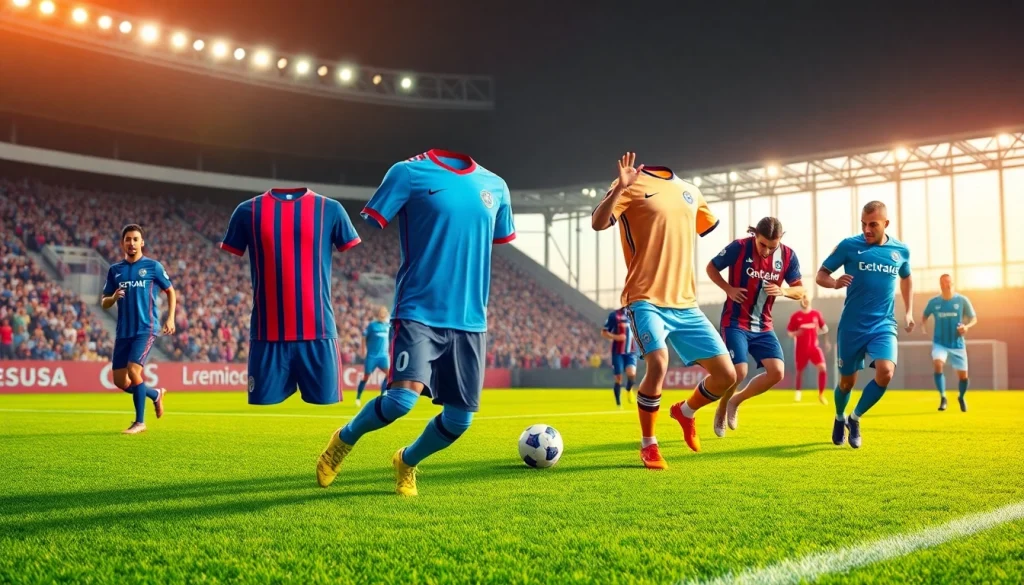
Understanding Football Kits
Football kits are more than just pieces of clothing; they embody the spirit, history, and identity of the teams they represent. From the vivid colors that represent club loyalty to the technical innovations that enhance player performance, football kits have evolved remarkably over the years. In this article, we will delve into the intricate world of football kits, exploring their evolution, key features, and how they resonate with fans around the globe. Crucially, we will understand how these aspects come together in creating the football kits we see today.
The Evolution of Football Kits
The journey of football kits dates back to the late 19th century when players wore heavy woolen jerseys, often in a single color or with primitive designs. As the sport gained popularity, the demand for differentiation became paramount. Teams began to adopt distinct colors and designs to avoid confusion during matches. By the mid-20th century, the introduction of lighter materials, such as polyester, revolutionized player comfort and performance. Today, football kits are not only a mark of identity, but they also incorporate advanced fabrics and design technologies that enhance athletic performance.
Key Features of Modern Football Kits
Modern football kits are designed with a focus on both aesthetics and functionality. Key features often include:
- Moisture-Wicking Fabrics: Materials that draw sweat away from the skin and keep players dry.
- Stretchability: Considerations for freedom of movement without restricting performance.
- Breathability: Ventilation panels strategically placed to allow airflow and temperature regulation.
- Durability: High-quality stitching and fabric that withstand the rigors of play.
- Customizable Elements: Options for personal names, numbers, and even patches that convey achievements or messages.
The Role of Fabrics and Technology
The advancement in fabric technology has had a profound impact on football kits. Innovations such as lightweight synthetic fibers and special coatings that repel water not only improve player comfort but also enhance performance. Additionally, the integration of smart textiles capable of monitoring player biometrics adds a new dimension, enabling teams to track performance and health in real time, setting the stage for an exciting era in sports development.
Popular Football Kit Designs
When it comes to football kits, design plays a critical role in connecting players with fans and creating a lasting legacy. Let’s explore some of the standout designs and trends that have shaped football kit aesthetics over the years.
Iconic Designs in Football History
Throughout football history, certain kits have transcended their functional purpose to become cultural icons. For instance, the vibrant yellow and green of Brazil’s national team invokes a sense of patriotism and pride, while the classic stripes of Manchester United evoke a sense of nostalgia among supporters. Many designs have endured the test of time, often reincarnated in vintage collections for new generations of fans.
Contemporary Trends in Kit Design
Contemporary football kits are characterized by bold colors, unique patterns, and intricate graphics that not only furthers branding but also appeals to younger audiences. Collaborations with fashion designers and artists have injected fresh creativity into traditional designs, leading to increasingly elaborate kits that reflect cultural movements and societal issues.
The Fusion of Style and Functionality
The modern football kit is an intricate balance of style and functionality. As teams seek to outshine rivals on and off the field, the aesthetic appeal becomes just as crucial as performance features. Sponsor logos, while heavily regulated, are often integrated into the design to enhance overall appearance rather than detracting from it, creating a cohesive look that resonates with fans while maintaining performance integrity.
Football Kits for Fans
The relationship between football kits and fans extends far beyond players wearing them on the field. Fans often see kits as a representation of their identity, and the choice of kit can reflect personal and emotional connections to their teams.
Choosing the Right Football Kit
Choosing a football kit involves several considerations. Factors such as comfort, fit, and personal style are paramount. Some fans prefer the authentic matchday kits that players wear, while others may opt for replicas that offer similar aesthetics at a more affordable price. Additionally, it’s important to consider the impact of sustainability in purchasing decisions, with increasing numbers of fans favoring brands that prioritize eco-friendly materials and practices.
Limited Editions and Collector’s Items
Limited edition football kits often create a buzz among collectors and die-hard fans. These kits may feature unique designs, commemorate significant events, or celebrate anniversaries, making them highly sought after. Collecting these editions not only represents loyalty to a team but also serves as an investment, with certain kits appreciating significantly in value over time.
How to Maintain Your Football Kits
Maintaining football kits is crucial to preserving their appearance and functionality. Here are some key tips:
- Washing: Use cold water and a gentle cycle to avoid damage to the fabric.
- Drying: Air dry whenever possible. Avoid high heat settings that can warp or shrink the fabric.
- Storage: Keep kits in a cool, dry place to prevent color fading and deterioration.
The Commercial Aspect of Football Kits
The commercial landscape of football kits is a multi-billion dollar industry, driven by fan loyalty and innovative marketing strategies. Understanding this aspect is essential for both clubs and manufacturers.
The Market for Football Kits
The global football kit market continues to grow, with revenue primarily derived from sales of team kits, replica jerseys, and merchandise. Football clubs are increasingly recognizing the importance of merchandising in bolstering their financial position, leading to more strategic marketing campaigns that engage fans directly, utilizing social media platforms and online retail strategies that cater to a global audience.
Sponsorships and Brand Partnerships
Sponsorships play a vital role in the commercial viability of football kits. Companies looking to promote their brand often partner with football clubs to feature their logos prominently on team kits. This raises significant funds for clubs and simultaneously enhances brand visibility. The symbiotic nature of these partnerships often allows teams to invest in star players and improve their overall competitiveness on the pitch.
The Impact of Social Media on Kit Sales
Social media has transformed the marketing dynamics of football kits. Clubs use platforms like Instagram and Twitter to unveil new kits, build anticipation, and foster direct communication with their fan base. The immediate feedback that clubs can receive allows them to adjust marketing strategies and engage fans in dynamic ways, consequently maximizing kit sales and creating a sense of community around their brand.
Upcoming Innovations in Football Kits
As technology advances, the future of football kits looks promising. Innovations are expected to create more sustainable, performance-oriented, and aesthetically appealing kits that will revolutionize how players and fans experience football.
Future of Sustainable Football Kits
The push toward sustainable practices is evident in many industries, including sportswear. Future football kits are likely to incorporate recycled materials and environmentally friendly production processes, catering to the growing market of eco-conscious consumers. This trend not only holds potential for positive environmental impact but also aligns with the social responsibility values of fans.
Technological Advancements in Kit Production
Technological innovations in manufacturing techniques, such as 3D printing, have the potential to revolutionize kit production. This technology may allow for custom fits and designs to cater specifically to individual player needs, enhancing comfort and performance. Moreover, the incorporation of smart textiles that can monitor players’ physiological data during play is on the horizon, paving the way for a new era in sports science.
What Fans Can Anticipate in Next Seasons
Fans can look forward to even more personalized experiences, with options for bespoke kits and augmented reality features that enhance engagement during matches. Additionally, trends may lead to further design collaborations across various industries, creating unique kits that reflect individual club identities while pushing the boundaries of what football fashions can look like.