
The Historical Context of Break the Ice Origin
The phrase “break the ice” is commonly used in today’s vernacular to mean initiating a conversation or making a situation more comfortable. However, its origins can be traced back to historical maritime practices. Understanding the break the ice origin reveals insights into both its literal and metaphorical implications throughout time.
The Early Use of the Phrase
The earliest recorded use of “break the ice” dates to the late 16th century, specifically 1579. This usage is attributed to Sir Thomas North, who translated the work of Plutarch, where the phrase appeared in the context of beginning a new endeavor despite challenges. The original phrase meant to pave the way for further activities, emphasizing the significance of starting afresh in difficult circumstances.
Connections to Maritime Practices
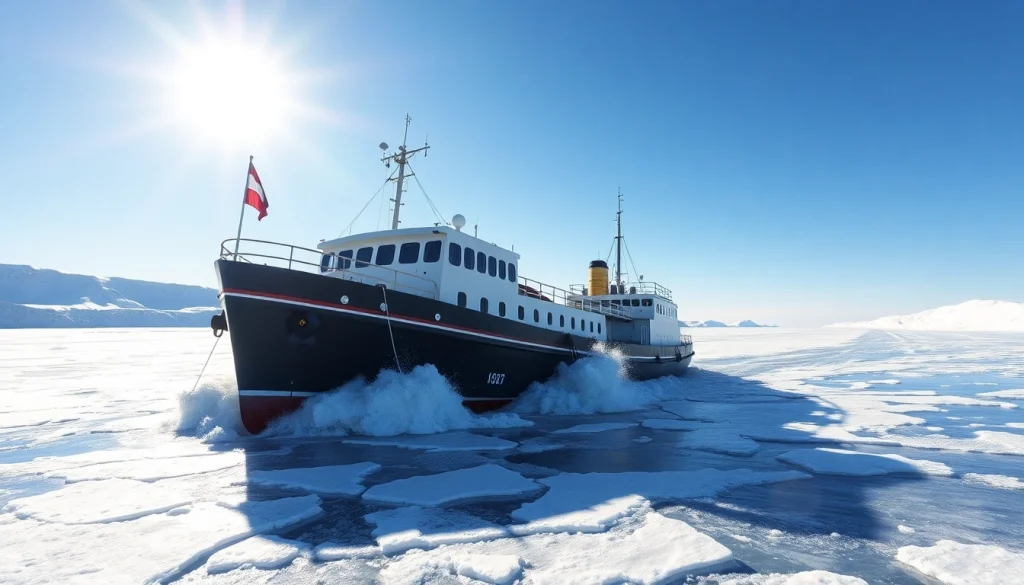
Before the idiom was popularized in everyday language, it had a practical application in maritime navigation. Ships called icebreakers were designed to clear passages through frozen water, facilitating safe passage for other vessels. The action of breaking ice symbolized the removal of obstacles, which draws a direct parallel to the modern usage referring to warming interpersonal relationships. The act of an icebreaker signifies overcoming barriers to allow smoother navigation and interaction.
Literary References Over Time
Throughout history, the phrase has evolved. In the works of notable authors like Shakespeare, “break the ice” was used in a context that underscored social interaction and overcoming awkwardness. In his play “The Taming of the Shrew,” the character uses it to symbolize overcoming initial tensions. Fast forward to today, and this idiom has transcended its literal maritime roots to become a staple in social contexts.
The Evolution of the Idiom’s Meaning
The evolution of the phrase “break the ice” highlights its transition from literal to figurative language. This transformation mirrors the changing dynamics of social interaction and communication norms across different eras.
From Literal to Figurative Interpretations
Initially, the phrase described a physical act with tangible outcomes, such as clearing frozen waterways. As society evolved, so did its meaning. Today, “breaking the ice” relates primarily to easing tensions or awkwardness in social situations. It embodies the proactive effort to initiate conversation or connection in what could potentially be a cold or uncomfortable interaction.
Social Implications of Breaking the Ice
The phrase has significant social implications, demonstrating the fundamental human desire to connect. The act of attempting to break the ice indicates a willingness to engage with others, fostering companionship and building relationships. In social environments, breaking the ice serves as a tool for enhancing rapport, whether in personal interactions, business meetings, or group settings.
Modern Applications in Everyday Language
In contemporary society, the usage of “breaking the ice” has extended to various situations, including networking events, casual gatherings, and even in digital communication. Icebreaker games and activities have become common practices to encourage interaction, especially in settings where participants may not know each other well. This application underscores the importance of initiating comfortable dialogue, thus enhancing collaboration and teamwork.
Common Misunderstandings of Break the Ice Origin
The popularity of the phrase has led to several myths and misunderstandings surrounding its meaning and usage. It’s essential to clarify these misconceptions to promote better understanding among speakers and writers.
Misperceptions in Popular Culture
Many people may believe that “breaking the ice” exclusively refers to initiating conversations in social settings. While this is one aspect, the idiom’s broader historical context reveals its roots in navigating challenges and opening paths for future interactions. This layered understanding enriches the phrase’s significance and application.
Confusing with Other Idioms
Another common issue is the confusion between “break the ice” and similar idiomatic expressions such as “clear the air” or “warm up the atmosphere.” While these expressions share thematic elements of improving social interactions, they do not have the same implications of initiating interaction but rather denote resolving existing tensions or discomforts.
Cultural Variations in Usage
The phrase has also taken on different meanings within various cultures. For instance, in some societies, it might imply not just initiating conversation but also indicating a willingness to engage in deeper discussions. Understanding these cultural nuances enhances effective communication, especially in multicultural environments.
Practical Tips for Breaking the Ice in Conversation
To effectively break the ice, one requires understanding and skill. Below are practical tips that can be implemented in different social scenarios.
Effective Icebreaker Techniques
One of the most effective techniques for breaking the ice is to use humor. A light-hearted joke or anecdote can significantly ease tension. Additionally, asking open-ended questions encourages dialogue and helps you learn more about the other person, transitioning the focus away from awkwardness.
Understanding Social Contexts
Being aware of the social context plays a crucial role in determining the best approach to breaking the ice. For instance, in a professional setting, an icebreaker might be a question about industry trends or recent news related to the field. Understanding your audience allows for tailored approaches that resonate more genuinely.
Overcoming Common Social Awkwardness
It’s natural to feel nervous in new social situations. Preparation can help reduce anxiety. Consider practicing small talk with friends or family beforehand, focusing on topics like recent movies, books, or travel experiences. This rehearsal can boost your confidence and make the actual interaction smoother.
Frequently Asked Questions About Break the Ice Origin
What does the phrase “break the ice” mean?
The phrase “break the ice” refers to the act of initiating conversation or easing tension in social situations, often between unfamiliar individuals.
Where did the term “break the ice” originate from?
The idiom comes from maritime practices where icebreakers clear pathways for ships, symbolizing overcoming obstacles and initiating progress.
What historical texts reference break the ice?
The earliest known reference is in Sir Thomas North’s 1579 translation of Plutarch’s works, where it described beginning endeavors despite challenges.
How can I use the phrase correctly?
You can use “break the ice” when referring to making initial conversation in social situations or combating awkwardness, such as at parties or meetings.
Are there similar idioms related to breaking barriers?
Yes, phrases like “clear the air,” “warm up the atmosphere,” and “open up” also convey the idea of improving communication and resolving tensions.