
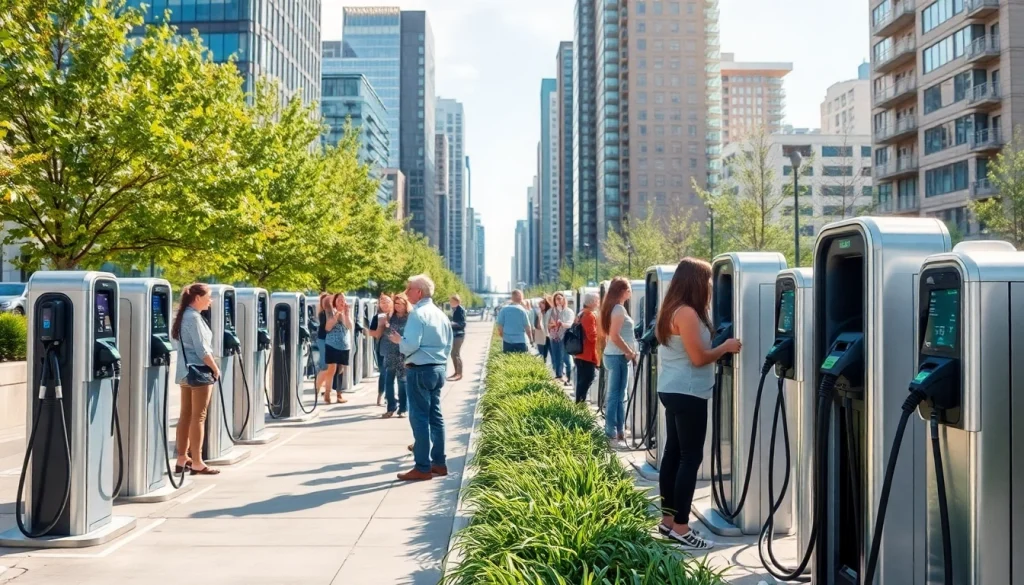
Understanding the Current Landscape of EV Charging News
The electric vehicle (EV) market is evolving rapidly, and so is the infrastructure that supports it. An increasingly engaged public, governmental support, and technological advancements are shaping the dialogue around EV charging. In this dynamic landscape, staying up-to-date with the latest developments in EV charging news is pivotal for consumers, businesses, and policymakers alike. The following sections delve into various aspects of the current EV charging ecosystem.
Significance of EV Charging Infrastructure
The foundational aspect of increasing EV adoption lies in the expansion of charging infrastructure. An adequate and accessible charging network not only enhances the viability of electric vehicles but also provides peace of mind for users. As of late, initiatives targeting the development of charging stations across urban and rural areas have gained traction, allowing potential EV owners to envision greater practicality in adopting electric mobility.
Studies indicate that a robust network of fast-charging stations contributes to a positive consumer outlook on electric vehicles. A survey indicated that many potential buyers consider charge station availability as a key decision-making factor. This trend leads municipalities and private companies to invest in charging solutions, available in residential, public, and commercial spaces.
Public Awareness and Adoption Rates
The relationship between public awareness and EV adoption is critical. Educational campaigns directed towards understanding EV benefits underscore efficiency, cost savings, and environmental impact. Awareness efforts have successfully illuminated the advantages of switching to electric, especially focusing on cost-effectiveness over time due to lower charging costs compared to gas prices.
However, recent studies reveal that even with heightened awareness, many individuals remain hesitant about EV ownership. A significant barrier is the ingrained hesitancy surrounding the transition to new technology. Polls suggest that roughly 60% of respondents express concerns over accessibility and usability of charging stations. Addressing these concerns head-on through community outreach and active demonstrations can bridge the knowledge gap.
Key Challenges Facing EV Charging Networks
While progress is evident, the EV charging infrastructure still faces challenges that hinder its full potential. One of the prominent issues is the disparity in charging station distribution; urban areas often enjoy more facilities while rural sections lag significantly. This unequal distribution can sow seeds of frustration and confusion among potential users.
Another issue is the varying standards in charging technology, which can further complicate the charging experience. As different manufacturers adopt divergent technologies, the lack of standardization creates an environment ripe for user confusion. Strategic alliances and regulations focusing on interoperability can pave the way for resolving these challenges effectively.
Technological Innovations in EV Charging News
Technological advancements are at the heart of the evolution of EV charging. Innovations in charging methodologies and improvements in battery technologies are continuously transforming the landscape, making it a noteworthy element in EV charging news.
Fast Charging Solutions and Their Impact
The development of fast-charging solutions has been a game-changer in enhancing the EV user experience. With charging stations now capable of providing a full charge in less than 30 minutes, the convenience factor has significantly increased. Fast chargers, often found at strategic locations like shopping centers and highways, invite greater public confidence in electric vehicle usability.
Additionally, the competitive landscape has spurred increased investment in fast charging technologies, further pushing the envelope for innovation. Emerging solutions such as ultra-fast chargers will soon accommodate higher kilowatt rates, enabling faster turnaround times for EVs.
Smart Charging Technologies Explained
Smart charging technologies are reimagining how EVs connect to the grid, emphasizing efficiency and convenience. These technologies allow users to schedule charging times to take advantage of off-peak electricity rates, reducing costs. As part of smart home systems, users can control charging via their smart devices, contributing to the overall ease and efficiency.
Moreover, smart charging represents a significant opportunity to manage energy loads better, essentially allowing the grid to respond dynamically. Integrating concepts like vehicle-to-grid (V2G), where EVs can feed energy back when needed, offers exciting possibilities for sustainability.
Battery Technology Enhancements
The evolution of battery technology is pivotal in shaping EV performance and convenience. Innovations in battery capacity and charging speed are leading towards the promise of vehicles that can travel longer distances on a single charge. Advanced lithium-ion batteries are becoming commonplace, featuring improved energy densities, faster charging capabilities, and extended lifespans.
Research into alternative battery technologies, such as solid-state batteries and improvements in recycling processes, could further enhance the environmental sustainability of EVs. As technology progresses, the performance gaps continue to narrow between traditional combustion engines and electric vehicles.
Analyzing Consumer Sentiments Towards EV Charging News
Understanding consumer sentiment is integral to bolstering EV adoption. By analyzing perspectives and preferences, stakeholders can better align their strategies with user needs, making strides toward overcoming existing barriers present in EV charging news.
Survey Insights on Charging Preferences
Consumer preferences are varied and often reflect personal priorities. Recent surveys reveal a strong attachment to convenience, with many potential buyers expressing preferences for home charging solutions over public stations. Some individuals cite the absence of suitable home infrastructure as a barrier, highlighting the need for broader initiatives that promote home charging options.
Moreover, preferences for charging speed emerge as a crucial factor, with significant interest in fast-charging adaptations at residential installations. These insights encourage developers to focus on versatile options that cater to various consumer needs while enhancing user experience.
Addressing Range Anxiety Among Drivers
Range anxiety remains a notable concern, often limiting consumer enthusiasm for electric vehicles. As reported, many users worry that they may run out of battery life without access to a charging station. Successfully addressing range anxiety requires accurate publicize information regarding the increasing availability of charging stations and the ever-improving battery technologies.
Developing mobile applications that inform users of the nearest charging stations and their real-time availability can mitigate these anxieties. Enhancing user confidence in the infrastructure is pivotal for boosting consumer acceptance and adoption.
The Role of Incentives in EV Adoption
Government incentives play a significant role in stimulating EV adoption. Many regions offer tax credits, rebates, and other financial incentives to promote electric vehicle purchases. These incentives not only alleviate financial burdens but also promote awareness about the ecological benefits of EV adoption.
However, as funding and policies change, consistency in incentives needs to be maintained to ensure beneficial effects persist. Continued dialogues involving stakeholders—from government entities to manufacturers—are vital to develop enduring frameworks supporting the transition to electric mobility.
Future Trends Reflected in EV Charging News
The future of EV charging is lined with promising advancements and emerging trends that could reshape the industry landscape. Analyzing these trends enables stakeholders to be better prepared for the evolving dynamics inherent in EV charging news.
Predictions for Charging Station Expansion
The coming years are expected to witness accelerated expansion in charging station developments, primarily driven by technological improvements and consumer demand. Regions lagging in infrastructure are expected to see significant investments, ensuring greater accessibility for users.
Furthermore, collaboration among public and private sectors will enhance the deployment of charging infrastructure, positioning electric vehicles as a core element of future transportation planning.
Integration with Renewable Energy Sources
As the world leans toward sustainability, leveraging renewable energy such as solar or wind to power charging stations is gaining traction. This integration not only reduces carbon footprints but also aligns with eco-friendly initiatives, thus enhancing the overall sustainability of EV charging locations.
Moreover, creating energy-efficient systems within the charging infrastructure can further improve the overall efficiency of operations while providing cost savings to users.
Potential Government Policies Impacting EV Technologies
Future government policies concerning emissions, sustainability, and infrastructures are likely to drive the electric vehicle shift further. Legislative measures regarding the installation of charging stations, as well as the standardization of charging protocols, are expected to evolve continually.
Incorporating feedback from stakeholder discussions into policy formation will be crucial to cultivating a sustainable EV ecosystem, shaping it for future generations.
Best Practices for Engaging with EV Charging News
In a rapidly changing landscape, actively engaging with reliable EV charging news enables stakeholders to stay informed and make educated decisions. Here, we explore best practices aimed at maximizing engagement with the subject matter.
Staying Informed through Reliable Sources
A robust approach to staying informed involves curating reliable sources that provide timely and accurate news. Industry publications, government announcements, and reputable research institutions are invaluable in adding depth to understanding developments in the EV sphere.
Joining forums and discussion groups can foster knowledge-sharing among enthusiasts, manufacturers, and policymakers, enhancing the overall understanding of EV dynamics and future potentials.
Community and Industry Initiatives Supporting EV Growth
Community initiatives focusing on awareness and engagement with EV technologies pave the way for acceptance and growth. Organizing events, workshops, or test-drive opportunities allow potential users to engage with electric mobility personally.
Collaborations between industries and community organizations could help cultivate interest in sustainable practices and promote collective growth within the EV ecosystem.
Utilizing Social Media for Real-Time Updates
Social media platforms are an excellent tool for accessing real-time updates on EV charging trends. Following industry experts, organizations, and advocacy groups can provide the latest insights and breaking news.
Moreover, platforms enable users to engage with content more dynamically, facilitating discussions and encouraging feedback, which in turn fosters community growth and awareness around electric mobility.