
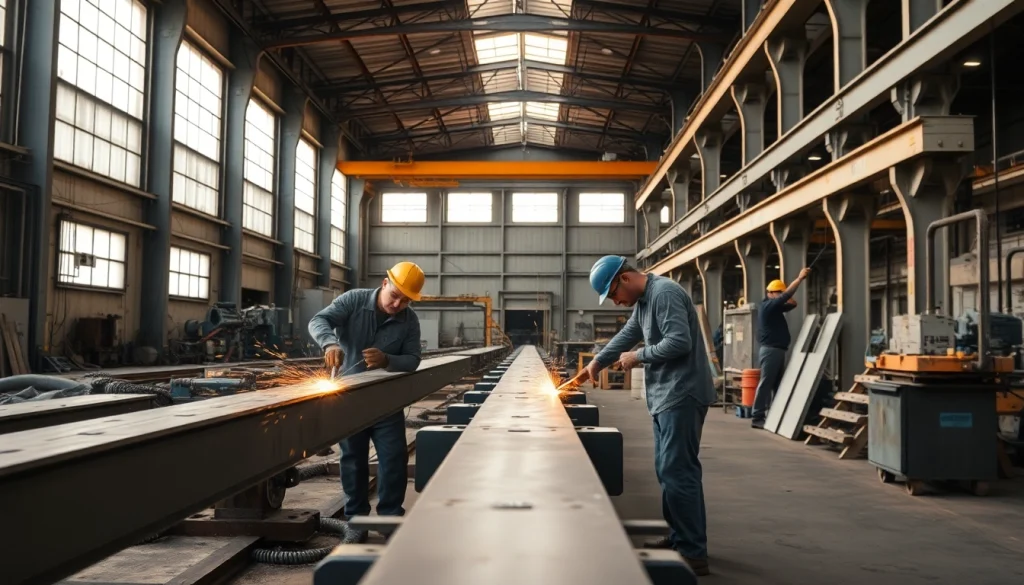
Understanding Structural Steel Fabrication
Definition and Importance of Structural Steel Fabrication
Structural steel fabrication involves the process of cutting, shaping, and assembling steel materials into structural components used in construction. This integral part of the construction industry serves as the backbone of various structures, ranging from skyscrapers to bridges. The quality and precision of structural steel fabrication not only enhance the durability and safety of buildings but also impact the overall efficiency of the construction process.
With its diverse applications in commercial, residential, and industrial projects, structural steel fabrication is pivotal in achieving designs that are both functional and aesthetically pleasing. Understanding the nuances of this field can significantly affect project outcomes, ensuring that structures are built to withstand environmental stresses while remaining cost-effective.
Key Processes in Structural Steel Fabrication
The fabrication of structural steel typically encompasses several key processes:
- Material Acquisition: Sourcing high-quality steel materials from reliable mills ensuring compliance with industry standards.
- Cutting: Utilizing various cutting techniques, including saw cutting and plasma cutting, to achieve the required dimensions of steel pieces.
- Shaping: Employing methods such as bending and rolling to form steel components into specific shapes required for structural functionality.
- Joining: Using welding, bolting, or riveting techniques to connect different steel pieces together, forming a cohesive structure.
- Surface Treatment: Applying protective coatings or treatments to prevent corrosion and enhance the longevity of steel components.
Common Uses of Structural Steel Fabrication
Structural steel fabrication finds its application in a myriad of sectors including:
- Commercial Buildings: Used in high-rise constructions, shopping malls, and office buildings for their strength and load-bearing capacity.
- Infrastructure: Essential in the construction of bridges, railways, and airport facilities, where durability and structural integrity are critical.
- Industrial Facilities: Common in manufacturing plants, warehouses, and power plants due to the ability to support heavy machinery and equipment.
- Residential Projects: Increasingly being utilized in modern homes for frames, roofs, and decorative elements.
Tools and Equipment for Effective Structural Steel Fabrication
Essential Tools for Cutting and Shaping Steel
A variety of tools are essential for the accurate cutting and shaping of steel components. Key tools include:
- Band Saws: Ideal for cutting various shapes and sizes with precision.
- Plasma Cutters: Efficient for cutting thick steel plates quickly and accurately.
- Angle Grinders: Useful for smoothing edges and preparing steel for joining.
- Bending Machines: Employed for curving steel sections to meet design specifications.
Advanced Machinery in Structural Steel Fabrication
The advancement of technology has led to the development of sophisticated machinery that enhances efficiency and precision in steel fabrication:
- CNC Machines: Computer Numerical Control machines automate the cutting and shaping process, ensuring high precision and repeatability.
- Robotic Welding Systems: These systems increase welding speed and quality, minimizing human error while maximizing output.
- Laser Cutters: Provide superior precision in intricate designs, accommodating complex geometries which traditional methods cannot achieve.
Safety Equipment and Best Practices
Safety is paramount in structural steel fabrication. Here are essential safety practices and equipment:
- Personal Protective Equipment (PPE): Includes hard hats, gloves, goggles, and steel-toed boots to protect workers from potential hazards.
- Proper Training: All employees should receive comprehensive training on machinery operations and safety procedures.
- Regular Inspections: Equipment and work environments must be inspected regularly to identify and rectify safety issues.
Techniques for High-Quality Structural Steel Fabrication
Welding Methods and Their Applications
Welding is a vital component of structural steel fabrication, offering several techniques suited for different applications:
- Mig Welding: Offers speed and versatility, ideal for thin to medium thickness steel components.
- Tig Welding: Provides high-quality welds and is excellent for thinner materials or where aesthetics are crucial.
- Stick Welding: Robust method suitable for outdoor applications, known for its ability to work with dirty or rusted surfaces.
CNC Technology in Structural Steel Fabrication
CNC technology has revolutionized structural steel fabrication by enhancing precision and speed:
Using CNC technology allows for the automated programming of cutting and fabrication machines, resulting in a significant reduction in labor costs and time, while increasing consistency across numerous units. Projects that require high degrees of customization can benefit from CNC technology, as it can easily adjust to various design specifications.
Quality Control Measures
Ensuring high-quality output in structural steel fabrication requires comprehensive quality control measures:
- Pre-Fabrication Inspections: Evaluating raw materials before fabrication begins to ensure they meet specified standards.
- In-Process Inspections: Continuous monitoring during fabrication to identify and rectify any issues immediately.
- Final Inspections: Conducting post-fabrication assessments, often using non-destructive testing methods to verify integrity and quality.
Challenges in Structural Steel Fabrication
Addressing Material Shortages and Price Fluctuations
The structural steel market is often subject to material shortages and price fluctuations, impacting project budgets and timelines. To mitigate these challenges, companies can:
- Diversify Suppliers: Establish relationships with multiple suppliers to ensure a steady flow of materials.
- Bulk Purchasing: Purchasing materials in bulk during favorable market conditions can shield manufacturers from price hikes.
- Inventory Management: Implementing just-in-time inventory practices can reduce waste and minimize holding costs.
Mitigating Common Fabrication Errors
Fabrication errors can lead to costly rework and project delays. Common strategies to mitigate these errors include:
- Standard Operating Procedures (SOPs): Developing and enforcing SOPs for fabrication processes to ensure consistency.
- Training: Regularly training staff on best practices and advanced techniques to reduce human error.
- Use of Technology: Leveraging technology (like CAD software) to produce accurate designs and avoid misinterpretation.
Environmental Considerations in Steel Production
As environmental concerns grow, structural steel fabrication must address its carbon footprint. Key practices include:
- Recycled Materials: Utilizing recycled steel to minimize natural resource extraction and reduce waste.
- Energy Efficiency: Implementing energy-saving measures in production processes to lower energy consumption.
- Waste Management: Adopting sustainable practices for waste disposal and recycling to minimize landfill contributions.
The Future of Structural Steel Fabrication
Innovations in Materials and Methods
The future of structural steel fabrication will significantly benefit from ongoing innovations, such as:
- High-Strength Steels: These materials offer enhanced durability with reduced weight, enabling exciting new architectural designs.
- 3D Printing: An emerging method that holds potential for creating complex steel structures with significantly reduced waste.
- Smart Materials: The development of materials that respond to environmental changes will add functionality and improve durability.
Sustainable Practices in Structural Steel Fabrication
As sustainability becomes a priority, adopting eco-friendly practices in structural steel fabrication is essential:
- Optimizing Production Processes: Streamlining manufacturing techniques to minimize waste and energy consumption.
- Lifecycle Assessment: Conducting lifecycle assessments of materials to understand and mitigate environmental impacts.
- Collaboration: Working with eco-conscious suppliers and organizations to promote sustainable practices across the supply chain.
Training and Workforce Development for the Industry
A skilled workforce is crucial for maintaining high standards in structural steel fabrication. Essential training initiatives include:
- Technical Training: Offering courses in advanced welding techniques, CAD software, and equipment operation to elevate skill levels.
- Safety Training: Regular workshops to ensure employees remain up-to-date with safety regulations and best practices.
- Industry Partnerships: Collaborating with trade schools and vocational programs to create apprenticeship opportunities and attract new talent.