
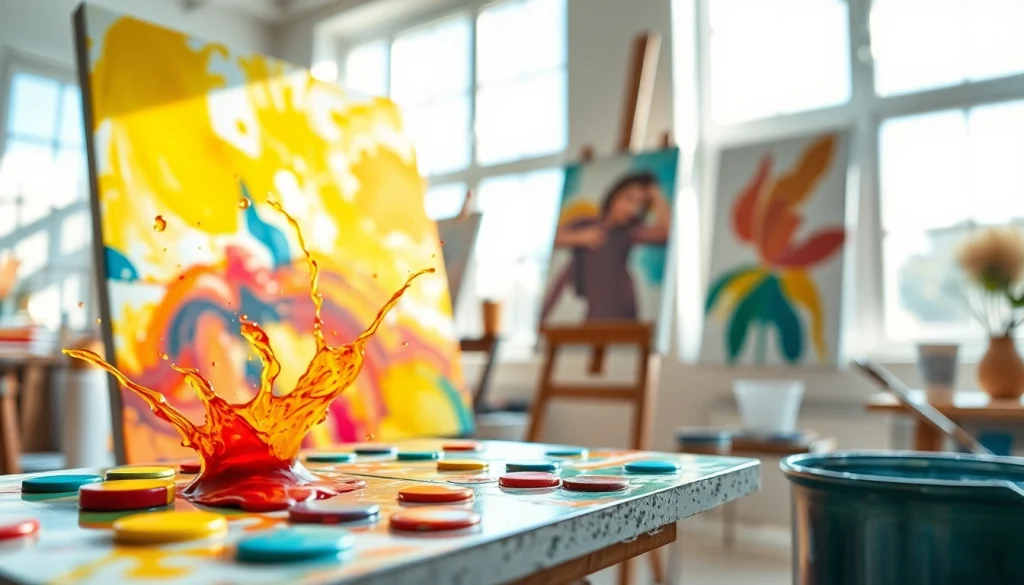
Understanding Acrylic Paints
Acrylic paints have emerged as a favored medium among artists and crafters for their versatility, vibrant colors, and fast-drying properties. They are water-based paints, allowing for easy cleanup and dilution with water. Additionally, acrylics behave differently depending on various factors such as application methods and additives, making them suitable for multiple techniques and effects. If you’re looking to explore the world of acrylics, you can start with resources available at https://acrylicpedia.com, a hub for all things related to acrylic painting.
What are Acrylic Paints?
Acrylic paints are synthetic paints derived from acrylic polymer emulsions. They consist of pigment suspended in a solution that dries quickly when exposed to air. Initially developed for commercial applications, acrylics have gained popularity in the fine arts for their flexibility and ability to mimic both watercolor and oil painting techniques. They can be thinned with water or modified with a plethora of mediums to adjust texture, transparency, and drying time.
Benefits of Choosing Acrylics
- Versatility: Acrylics can be used on various surfaces such as canvas, wood, paper, and even fabric, making them suitable for artists of all kinds.
- Fast Drying Time: Artists appreciate the quick-drying nature of acrylic paints, which allows for faster layering and less waiting time.
- Durability: Once dried, acrylics are water-resistant and retain their vibrant colors over time, making them ideal for both indoor and outdoor projects.
- Easy Cleanup: Being water-based, acrylics are simple to clean up with soap and water while they are still wet.
- Non-toxic Options: Many acrylic paints are non-toxic, which makes them safer for use in homes with children and pets.
Types of Acrylic Paints and Their Uses
Acrylics come in various types, each catering to different applications and effects:
- Heavy Body Acrylics: Thick consistency ideal for palette knife techniques and impasto work.
- Fluid Acrylics: Thinner, more water-like texture, perfect for glazing and fine detail work.
- Acrylic Inks: Highly pigmented, suitable for detailed work or calligraphy.
- Acrylic Gouache: Opaque and matte finish, offering a more traditional gouache feel.
Techniques for Working with Acrylics
Basic Painting Techniques
To get started with acrylic paints, artists can use basic techniques that help build foundational skills. Here are some to consider:
- Wet-on-Wet: This technique involves applying wet paint onto wet surfaces, allowing colors to blend seamlessly.
- Dry Brush: A dry brush is used for applying paint sparingly, creating textures and fine details.
- Glazing: Thin layers of transparent color applied over dried paint, enhancing depth without losing underlying tones.
- Sponging: Using a sponge to apply paint creates unique textures and effects, ideal for backgrounds.
Advanced Acrylic Techniques for Professionals
For seasoned artists looking to step up their game, advanced acrylic techniques offer exciting possibilities:
- Pouring: Acrylic pouring creates mesmerizing abstract patterns, where fluid paint is poured onto a surface and manipulated.
- Mixed Media: Combining acrylics with other materials (such as pastels, charcoal, or collage) can add a rich layer of complexity and uniqueness to artwork.
- Impasto: Thick applications can create a three-dimensional effect on canvases, making the texture a visual element.
- Stenciling: Using templates to create defined designs allows for precision and creativity in execution.
Mixing and Layering Colors Effectively
Understanding color theory is crucial when mixing paints. Here are some tips for successful color manipulation:
- Start with a color wheel to understand primary, secondary, and tertiary colors.
- Experiment with the ratio of primary colors to create a broader spectrum of shades and tones.
- Layer colors from light to dark to maintain luminosity and vibrance in your artwork.
- Keep a mixing chart to document successful combinations for future use.
Common Challenges and Solutions
Dealing with Sticky or Tacky Paint
Artists may occasionally find their acrylic paint sticky or tacky after drying. Here are some reasons this may occur and how to solve the issue:
- Humidity: High moisture levels can interfere with drying. Consider using a dehumidifier or working in a controlled environment.
- Too Much Medium: Overly thinning your paint can result in a tacky finish. Balance the use of water or additives.
- Old Paint: Ensure your acrylic paint is fresh. Expired or improperly stored paint may not perform well.
Fixing Mistakes and Touch-Ups
Even the best artists make mistakes. Fortunately, acrylics allow for easy corrections. Consider the following:
- Use a wet cloth or paper towel to immediately wipe away wet paint from surfaces.
- Once dried, you can paint over mistakes with gesso to prep the area for new color application.
- Incorporate the mistake into your artwork by transforming it into an intentional element.
Understanding Drying Times and Conditions
Acrylics dry quickly, but various factors can influence this drying time:
- Ambient temperature and humidity play significant roles—warm and drier conditions speed up the drying process.
- Layering thick applications will prolong drying time, so be aware of how thickness affects your schedule.
- Utilize drying retarder mediums to slow down the drying process, allowing for more blending and manipulation time.
Inspiration from Acrylic Art
Famous Acrylic Artists and Their Works
Many renowned artists have embraced acrylics as their medium of choice. Their works can provide both inspiration and technical insight:
- David Hockney: Known for his vibrant landscapes and portraits that showcase the versatility of acrylic paints.
- Chuck Close: Famous for his large-scale portraits rendered in intricate detail, demonstrating innovative use of acrylic techniques.
- Rita Kappus: With her abstract approach, she combines various materials with acrylics, inspiring mixed media explorations.
Creative Ideas for Acrylic Projects
If you’re seeking inspiration for your next project, consider these ideas:
- Create an abstract piece using a combination of pouring and stenciling techniques.
- Make customized home décor items like coasters or wall art using acrylic pours.
- Explore landscape painting by focusing on the interaction of colors in natural settings.
Exploring Abstract vs. Realistic Styles
Acrylics lend themselves well to both abstract and realistic styles of art. Consider factors when deciding which style to pursue:
- Abstract Art: Focus on form, color, and emotion. This approach allows for freedom in creativity and expression.
- Realistic Art: Emphasizes accuracy and representation. Mastering color mixing and layering is crucial for this style.
Using Acrylics for Various Applications
Acrylics in Fine Art vs. Crafts
Acrylic paints bridge the gap between fine art and crafting, making them accessible to both casual crafters and professional artists:
- In fine art, acrylics allow for detailed paintings and portraits with their vibrant finish.
- Crafters can use acrylics for DIY projects such as painted furniture, home decor, and personalized gifts.
Tips for Using Acrylics in Home Décor
Acrylics can transform your living space. Here are ways to incorporate them effectively:
- Paint large canvases to create statement pieces for walls.
- Use acrylic techniques to refurbish household items like frames and tables for a modern touch.
- Experiment with color blocking and geometric designs to refresh your home decor.
Incorporating Acrylics in Mixed Media Projects
Mixing various materials with acrylics can yield fascinating results:
- Combine acrylics with collage materials such as paper and fabric for layered textures.
- Use acrylic mediums to incorporate items like beads, stones, or metals into your artwork.
- Explore the use of acrylics in conjunction with digital media, enhancing prints with hand-painted details.