
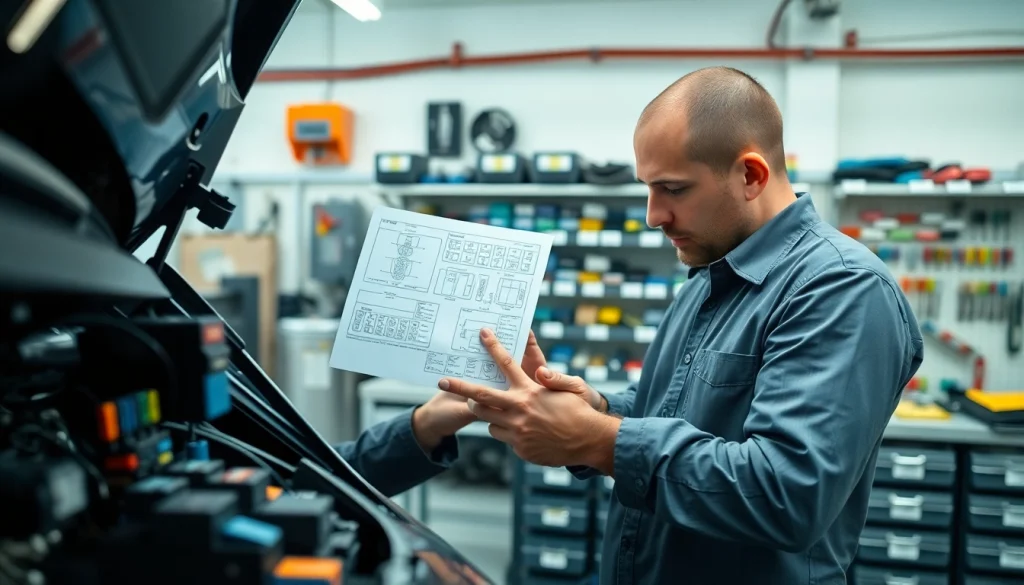
Understanding Automotive Fuses
Automotive fuses play a crucial role in the electrical systems of vehicles, serving as protective devices that prevent electrical overloads and short circuits. Understanding their functionality, types, and the roles they play in vehicle safety is essential for any car owner or automotive technician. For detailed guidance, https://bezpieczniki24.pl is a valuable resource.
What are Automotive Fuses?
Automotive fuses are precision components designed to protect a vehicle’s electrical system by breaking the circuit when current exceeds a specified limit. They are typically made of metal wires or strips that melt when heated by excessive current, thus interrupting the flow of electricity. This mechanism prevents deeper damage to the wiring and components of the vehicle.
Types of Automotive Fuses
Fuses come in various shapes and styles, suited for different automotive applications. The most common types include:
- Blade Fuses: These are the most widely used and are characterized by their flat, rectangular shape and plastic housing. They plug directly into the fuse box.
- Ceramic Fuses: Known for their durability and resistance to heat, ceramic fuses are used in high-performance applications.
- Glass Tube Fuses: Also called cylindrical fuses, these older types are still found in some vehicles. They consist of a transparent glass tube with a metal wire inside.
- Resettable Fuses: Also known as polyfuses or circuit breakers, these fuses can be reset after tripping, providing convenience and reusable protection.
Functionality and Importance of Fuses
The core functionality of fuses involves protecting sensitive electrical components from damage due to excess current. When a fuse blows, it indicates a fault in the electrical system, prompting the owner to investigate the cause, thus preventing further damage. This built-in safety mechanism is vital for maintaining the longevity and functionality of a vehicle’s electrical system.
How to Identify and Test Fuses
Steps to Locate Fuses in Your Vehicle
Finding the fuses in your vehicle can vary based on its make and model. Generally, fuses are located in the fuse box, which is often found under the dashboard, in the engine compartment, or in the trunk. To locate the fuse box:
- Refer to the owner’s manual for the exact location of the fuse box.
- Identify the fuse panel cover; it usually has a diagram showing the specific fuses.
- Remove the cover to access the fuses.
Testing Fuses: Tools and Techniques
To test whether a fuse is functioning correctly, you can use a multimeter or a simple fuse tester. Here’s how:
- Using a Multimeter: Set your multimeter to the continuity setting. Remove the fuse from its holder and touch the multimeter probes to the ends of the fuse. If the multimeter beeps or shows continuity, the fuse is good.
- Using a Fuse Tester: Simply insert the fuse into the fuse tester. The light indicator will show red for a good fuse and no light for a blown fuse.
Common Symptoms of a Blown Fuse
Identifying a blown fuse can help prevent more significant electrical issues. Common symptoms include:
- Malfunctioning accessories, like lights, radio, windows, or dashboard displays.
- Uneven functioning of electrical components.
- Burning smell or visible signs of damage around the fuse box.
Fuse Schematics for Popular Car Models
Understanding Fuse Schematics
Fuse schematics provide crucial information about the layout and function of fuses in a vehicle. These diagrams show the relationship between different fuses and their corresponding components, making troubleshooting more manageable. Understanding how to read these schematics can save time and effort when diagnosing problems.
Sample Schematics for Volkswagen and Ford
For popular brands like Volkswagen and Ford, fuse schematics typically include the following information:
- Fuse Number: Identifies the specific fuse.
- Fuse Rating: Indicates the amperage rating, helping you replace with the correct fuse.
- Location: Details where the fuse is located in the fuse box.
- Function: Specifies the component each fuse protects.
Accessing Fuse Schematics for Other Brands
While resources may vary, most vehicle manufacturers provide online access to fuse diagrams in their owner’s manuals or official websites. For additional and detailed information, vehicle-specific community forums and dedicated automotive sites could also be useful.
Common Issues Related to Fuses
Why Fuses Blow and How to Prevent It
Fuses blow for several reasons, ranging from electrical overloads to short circuits. Here’s how to mitigate these issues:
- Avoid Overloading: Be mindful of what electrical accessories are being used simultaneously.
- Inspect Wiring: Regular checks for frayed or damaged wiring can prevent shorts.
- Use Appropriate Fuses: Always replace blown fuses with ones that match the manufacturer’s specifications.
Troubleshooting Electrical Problems Related to Fuses
If electrical accessories fail to operate, follow a logical troubleshooting process:
- Check the relevant fuses first. If they are intact, examine the wiring connections for faults.
- Inspect switches and relays in the circuit, as these can also fail and cause similar symptoms.
- Utilize a multimeter to test voltage and continuity, confirming the integrity of circuits.
When to Replace Fuses vs. When to Seek Professional Help
While many fuse-related issues can be resolved independently, some problems indicate a deeper electrical fault that requires professional intervention. If:
- You frequently replace the same fuse, suggesting an underlying issue.
- You observe unusual electrical behavior that cannot be traced to a specific fault.
- You feel uncomfortable working with automotive electrical systems, seek the expertise of a qualified technician.
Resources and Tools for Automotive Fuse Management
Recommended Tools for Fuse Inspection and Replacement
Effective fuse management requires the right tools. Below are essentials for any automotive toolkit:
- Multimeter: For testing voltage, current, and continuity.
- Fuse Puller: A simple tool that allows safe extraction of fuses from their sockets.
- Fuse assortment kit: Keeping various fuses on hand will aid immediate replacements for any blown fuses.
Online Resources for Fuse Information
Multiple online platforms offer comprehensive information regarding automotive fuses, including detailed diagrams and troubleshooting guides. Consider visiting specific automotive websites, forums, and manufacturer sites for additional resources.
Future Trends in Automotive Fuse Technology
The automotive industry is ever-evolving, introducing trends that focus on enhancing safety and performance. Future developments in fuse technology may include:
- Smart Fuses: Fuses that provide real-time diagnostics and alerts for potential faults.
- Automated Fuse Systems: Systems allowing for remote monitoring and management of vehicle electrical systems.
- Improved Materials: Development of fuses that can withstand higher temperatures and currents without failing.