
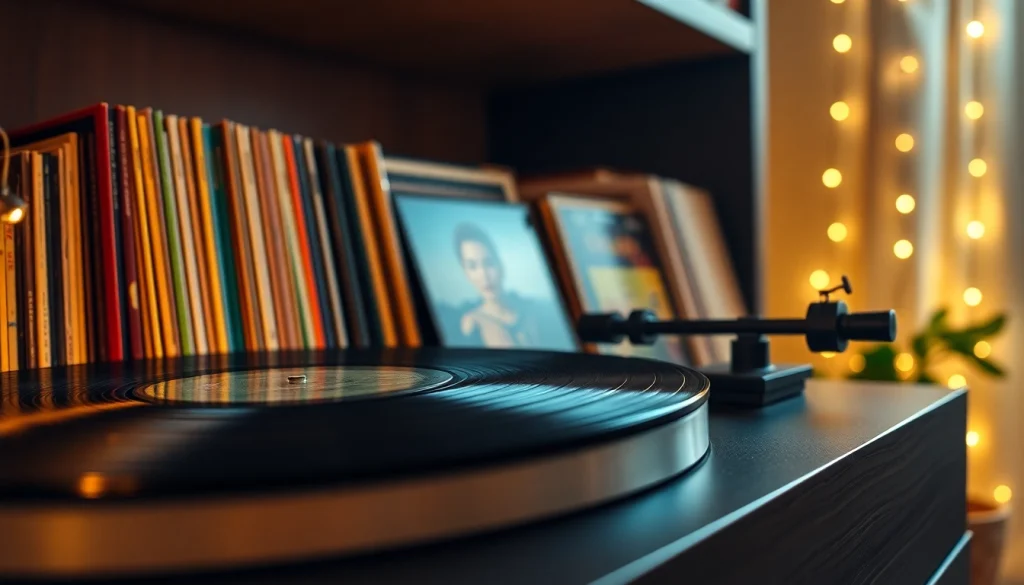
Understanding the Appeal of Vinyl Records
In recent years, the popularity of vinyl records has seen a remarkable resurgence, attracting both seasoned collectors and a new generation of enthusiasts alike. The reasons for this revival are deeply rooted in the unique qualities that vinyl offers, creating a distinct experience that digital formats simply cannot replicate.
The Unique Sound Quality of Vinyl Records
One of the most compelling reasons enthusiasts gravitate towards vinyl records is their sound quality. Unlike compressed digital formats, vinyl provides a warm, rich sound characterized by dynamic range that many audiophiles believe captures the artist’s original intent more faithfully. The physical nature of vinyl has a way of conveying the nuances of a recording, from the subtle inflections in vocal performances to the intricate layers of instrumental harmony.
Technical factors contribute to this unique sound. The analog nature of vinyl means sound is produced through grooves that physically store sound waves. Many argue this process creates a more engaging auditory experience, allowing listeners to feel a deeper connection to the music. In contrast, digital formats often sacrifice depth for convenience, leading to a debate in the music community regarding authenticity and sound fidelity.
Emotional Connection to Vinyl Records
The emotional connection to vinyl records extends beyond sound quality. For many, the process of playing a record involves rituals that evoke nostalgia—removing the record from its sleeve, placing it on the turntable, and gently lowering the needle. Each step is an experience, almost meditative in nature, as listeners immerse themselves in the music.
Collectors also cherish the album artwork and the tactile interaction of handling physical records. Album covers often serve as a canvas for artistic expression, with visuals that convey the essence of the music. Moreover, the act of collecting vinyl can be an emotional journey, filled with memories of discovering a long-sought-after record or sharing music with friends and family. This personal connection transforms the way people engage with music, creating lasting memories that digital playlists simply cannot rival.
The Aesthetic Value of Collecting Vinyl Records
The aesthetic pleasure of collecting vinyl records cannot be overlooked. A carefully curated collection serves as a personal art display, showcasing one’s taste in music while inviting conversations. Vinyl records have become a symbol of authenticity in a digital world, representing a return to tangible, meaningful experiences amid the transient nature of streaming services.
Collectors enjoy hunting for rare editions, limited releases, and unique pressings at thrift stores, flea markets, and online marketplaces. Each record holds a story, whether it’s a classic album that influenced an artist’s career or a forgotten gem waiting to be rediscovered. The thrill of the find adds an exhilarating dimension to the collecting experience, further enhancing the overall enjoyment of owning vinyl records.
How to Start Your Vinyl Records Collection
Starting a vinyl records collection can feel intimidating for newcomers, but it’s an exciting journey that can be approached step-by-step. Whether you’re an audiophile or simply looking to explore different genres, building a collection can be a rewarding venture.
Choosing Your First Vinyl Records
The first step in building your collection is to choose the right vinyl records. It’s advisable to start with albums from artists or bands that you already enjoy, as familiarity can enrich the experience. Classic albums or critically acclaimed releases are also great choices; these can serve as foundational pieces in your collection.
Consider broadening your horizons by exploring different genres. Record stores often have sections dedicated to various styles, from rock and jazz to hip-hop and electronic music. Don’t hesitate to ask store employees for recommendations—they can often guide you to hidden gems that may not have caught your eye. Additionally, be on the lookout for reissues or remastered editions of classic albums, as they may offer improved sound quality while still preserving the authenticity of the original recordings.
Essential Equipment for Playing Vinyl Records
To enjoy your vinyl records, you’ll need essential equipment that enhances playback quality. At the very least, invest in a reliable turntable, speakers, and a phono preamp. The turntable is the centerpiece of your system, responsible for spinning the record and reading the grooves.
When selecting a turntable, consider factors such as build quality, motor type, and compatibility with different cartridges. Manual turntables require a bit of practice, but they offer a more hands-on experience, while automatic models simplify the process. Additionally, choosing a high-quality cartridge can greatly impact sound clarity and performance; investing in a quality stylus can significantly enhance the listening experience.
Speakers are equally important. Look for well-reviewed models that provide natural sound reproduction. If possible, listen to speakers in-person and compare how different brands handle bass, treble, and overall clarity. A good phono preamp will amplify the signal from your turntable to your amplifier or receiver, ensuring that your records sound their best.
Building a Vinyl Records Storage System
Once you begin accumulating vinyl records, creating an organized storage system becomes essential. Proper storage not only protects your investment but also makes it easier to browse your collection. Choose a dedicated space that is cool, dry, and away from direct sunlight to prevent warping and degradation.
Consider investing in record crates or shelves designed specifically for vinyl. These options provide adequate support and prevent warping that can occur when records lean against one another. Organizing your collection by genre, artist, or label can enhance your enjoyment, allowing for greater appreciation of your curated selection.
Types of Vinyl Records and Their Characteristics
Understanding the different types of vinyl records and their characteristics is crucial for any collector. Each type serves a unique purpose and can significantly influence a listener’s experience.
LPs vs. EPs vs. Singles in Vinyl Records
Vinyl records come in several formats, with the most common being LPs (long-playing), EPs (extended play), and singles. LPs are typically 12 inches in diameter and can hold a full album, typically spanning 20-30 minutes of music on each side. They are ideal for those seeking complete listening experiences.
EPs are shorter than LPs, usually containing three to five songs, and often serve as a bridge between singles and full albums. They are perfect for artists releasing new material or experimental music projects. On the other hand, singles are smaller records, sometimes 7 inches, featuring a single track or two. Singles can be a cost-effective way for collectors to sample new music or find rare tracks by their favorite artists.
Genre-Specific Vinyl Records: What to Look For
Different music genres can deeply influence the characteristics and qualities of vinyl records. Collectors might gravitate towards certain genres based on personal tastes or musical experiences. For instance, jazz vinyl records often feature high-quality pressings due to the genre’s emphasis on instrumentation and dynamics, making them highly sought after by audiophiles.
Similarly, collectors might seek out specific labels known for releasing high-fidelity recordings, ensuring a superior listening experience. Classic rock, punk, and indie genres have also solidified their own dedicated markets in the vinyl community. Furthermore, exploring the vast universe of international music can lead to exciting discoveries, enriching the overall collection.
Limited Editions and Special Releases of Vinyl Records
Limited edition and special release vinyl records have become a significant aspect of the collecting culture. These records often feature unique artwork, colored vinyl, or previously unreleased tracks. They can be incredibly valuable and serve as essential additions for dedicated collectors.
Record stores and online retailers often announce exclusive drops—such as Record Store Day—where limited editions are available for a short time, making the experience exciting and competitive. Collectors often find themselves strategizing and forming communities around these events to ensure they can secure sought-after records. Keeping an eye on developments in the industry and engaging with online communities can enhance a collector’s journey and provide first dibs on rare finds.
Caring for Your Vinyl Records to Ensure Longevity
Caring for your vinyl records is crucial to preserving their quality and longevity. With proper maintenance, your collection can be enjoyed for many years to come.
Cleaning Vinyl Records: Best Practices
Regular cleaning of vinyl records is essential to remove dust, fingerprints, and grime that can accumulate over time. Using a dry anti-static brush before each play can minimize the transfer of dirt and static buildup. For deeper cleans, consider investing in a record cleaning solution or a dedicated cleaning machine that can provide a thorough wash without damaging the surface.
When cleaning, always handle vinyl by the edges to avoid touching the grooves. It’s important to let the record dry completely before storing it away to prevent moisture damage. Following these best practices can significantly enhance the sound quality and longevity of your records.
Proper Storage Techniques for Vinyl Records
Storing vinyl records properly is critical. They should be kept upright, as lying them flat can lead to warping over time. Use protective sleeves to safeguard your records from dust and scratches—these are often made from polyethylene or polypropylene, which do not contain harmful chemicals that can deteriorate the vinyl.
Ensure your storage space maintains a consistent temperature and humidity level. Extreme conditions can lead to warping or damage to labels. By providing a stable environment, you can ensure that your collection retains its integrity and sound quality.
Repairing Damaged Vinyl Records: Tips and Tricks
Even with careful handling, records can occasionally sustain damage. Scratches are one of the most common issues, and while they cannot always be completely rectified, there are some measures you can take to minimize their effects. Using a record cleaning solution on slight scratches may help reduce noise and restore some audio quality.
For more serious damage, third-party services can digitize records and offer restoration options, although this can often change the original sound. Understanding the nature of each damage type will inform you whether to attempt repair or preserve the record as is, taking into account its collectible value.
The Future of Vinyl Records in a Digital Age
The future of vinyl records looks promising, especially as music consumption continues to evolve. Many industry experts believe that the analog format will coexist alongside digital streaming, carving out its unique niche.
Resurgence of Vinyl Records: Trends and Statistics
The resurgence of vinyl records has been supported by various trends and statistics showcasing their continued growth in the music market. Reports indicate that vinyl sales have reached levels not seen since the 1980s, capturing the imagination of not just boomers but also millennials and Generation Z. This renewed interest can largely be attributed to the nostalgic appeal of vinyl as well as its association with music authenticity.
Record labels and artists are taking notice of this trend, focusing on vinyl production and creating collector’s editions that cater to passionate fans. This growth showcases that vinyl records are not merely a passing fad but have become an integral part of the music landscape.
Vinyl Records in the Streaming Era
Despite the omnipresence of streaming services, vinyl records have paved their way into a digital-centric world. Many vinyl enthusiasts appreciate the tangibility and intentionality that comes with playing a record, striking a balance between the convenience of modern technology and the charm of analog audio. In this regard, vinyl offers an antidote to the fast-paced nature of streaming, emphasizing music as an art form deserving of dedicated attention.
Moreover, numerous artists are leveraging vinyl releases as a way to offer fans a collectible alternative to ephemeral digital experiences. For many listeners, acquiring vinyl records complements their digital playlists, serving as a tangible representation of their musical tastes.
The Community of Vinyl Records Collectors Online
As the vinyl community grows, so does the online presence of collectors. Social media platforms, dedicated forums, and marketplaces have cultivated a thriving culture where enthusiasts can share their collections, discuss records, and exchange advice on vinyl care. The global connectivity provided by the internet allows collectors to access a broader range of resources and engage with fellow enthusiasts across the world.
Whether it is participating in discussions about favorite albums or sharing tips about restoration techniques, these communities foster a shared passion that enhances individual collecting journeys. Additionally, online marketplaces provide an avenue for collectors to buy, sell, and trade records, often sheltering the more obscure items that might not be found locally.