
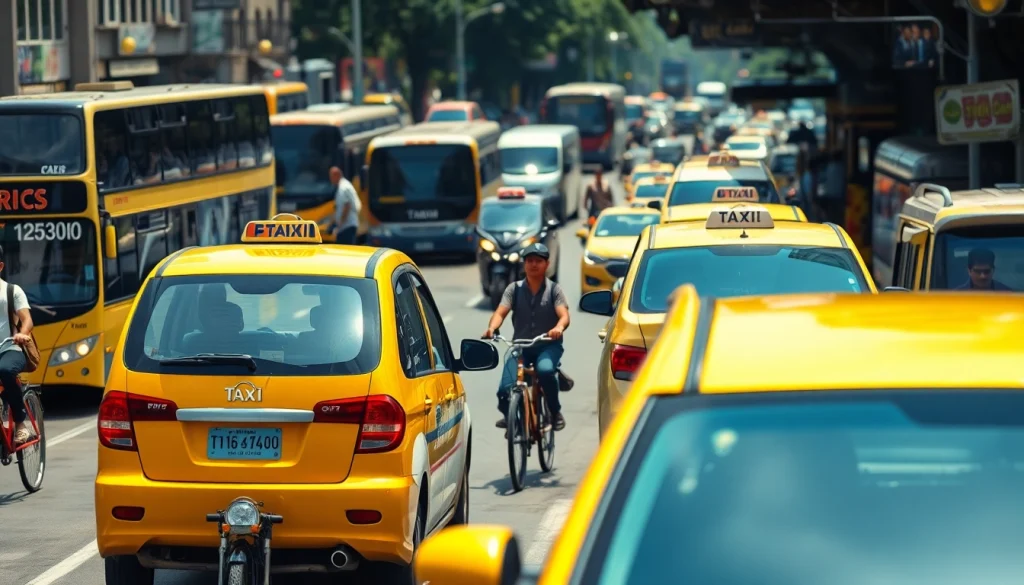
Understanding Transportation: An Overview
Defining Transportation and Its Importance
Transportation, commonly defined as the intentional movement of people or goods from one location to another, serves as a cornerstone of human activity and societal development. It encompasses various modes—such as road, rail, air, and maritime—and plays a pivotal role in connecting communities, enhancing economies, and facilitating cultural exchange. The Transportation sector significantly impacts everything from the efficiency of supply chains to urban infrastructure, providing essential pathways for goods and services in our increasingly interconnected world.
Key Modes of Transportation
Transportation is broadly classified into several modes, each with unique characteristics, advantages, and applications:
- Road Transport: Utilizing vehicles such as cars, buses, and trucks, road transport is the most common mode, especially for personal travel and logistics within urban areas.
- Rail Transport: Trains offer a highly efficient means for moving both passengers and freight, particularly over long distances. Rail can provide significant cost savings and reduced environmental impact compared to road transport.
- Air Transport: Airplanes facilitate rapid long-distance travel and are essential for global trade, though they are often more expensive and have a larger carbon footprint.
- Maritime Transport: Ships and boats are crucial for international shipping, accounting for over 80% of global merchandise trade by volume. They are cost-effective for bulk goods.
Role of Transportation in Urban Development
Transportation systems are integral to urban planning and development. Efficient transportation networks can enhance the connectivity of urban environments, promote economic activity, and improve access to essential services such as education and healthcare. Urban planners consider transportation alongside housing, commerce, and recreational spaces to create balanced and sustainable cities. Investments in public transport, cycling infrastructure, and pedestrian walkways can also reduce congestion, decrease pollution levels, and foster a sense of community within urban areas.
Challenges in Transportation Planning
Traffic Congestion and Its Impacts
Traffic congestion is one of the most significant challenges facing modern transportation planning. It contributes to numerous issues, including increased travel times, economic inefficiency, and elevated stress levels among commuters. In cities worldwide, ineffective traffic management and road funding lead to delays and frustration for travelers. Effective solutions, such as demand-responsive traffic signaling, congestion pricing, and expanding public transport options, are essential in addressing these challenges.
Environmental Considerations in Transportation
The transportation sector is a major contributor to greenhouse gas emissions. As communities grow, the environmental impact of transportation becomes increasingly critical. Sustainable transportation solutions are necessary to reduce the ecological footprint, such as promoting electric vehicles, enhancing public transit systems, and investing in renewable energy sources for transportation. The integration of policies aimed at reducing emissions becomes essential, particularly in urban settings where air quality is a significant concern.
Infrastructure Limitations and Solutions
Infrastructure limitations, including aging roadways, insufficient mass transit options, and inadequate funding, hinder the potential of transportation systems. In many cases, infrastructure investments have not kept pace with population growth, leading to deteriorating conditions. Solutions include prioritizing infrastructure upgrades, integrating smart technologies, and fostering public-private partnerships to finance transportation projects effectively. Moreover, leveraging data analytics can aid in infrastructure planning, ensuring resources are allocated efficiently.
Innovative Transportation Solutions
Smart Transportation Systems
Smart Transportation Systems (STS) represent the convergence of technology and transportation, enhancing the efficiency and safety of travel. Utilizing data analytics, sensor technology, and real-time communication, STS can minimize congestion, optimize traffic flows, and improve public safety. For example, cities can implement adaptive traffic signals that respond to real-time traffic conditions, thereby reducing wait times and emissions.
Public Transportation Enhancements
Enhanced public transportation systems can play a crucial role in improving urban mobility. Innovations such as integrated fare systems, on-demand shuttles, and increased service frequency can attract more users and reduce dependency on private vehicles. Additionally, creating multi-modal transit systems—where users can seamlessly transfer between buses, trains, and bike-sharing programs—can lead to a more fluid and efficient transportation ecosystem.
Use of Technology in Transportation
The application of technology in transportation continues to evolve rapidly, offering exciting opportunities for improvement and innovation. From autonomous vehicles to mobile apps that provide real-time transit updates, technology enhances the user experience while optimizing operational efficiency. Innovations such as ride-sharing platforms have disrupted traditional transport paradigms, emphasizing the need for adaptive regulatory frameworks that accommodate these technological advancements while ensuring safety and equity in access.
Community Involvement in Transportation Change
Engaging Local Communities
Community involvement is paramount for the success of transportation projects. Engaging residents in the planning process helps ensure that solutions meet the specific needs of the community. Strategies to enhance engagement include public forums, surveys, and collaborative workshops. Communities that visibly participate are more likely to support initiatives and contribute to a sense of ownership in the transportation infrastructure.
Feedback Systems and Their Importance
Feedback mechanisms are vital in maintaining effective transportation services. Through platforms that allow users to voice their concerns and suggestions, transportation agencies can better understand user needs and experiences. Implementing robust customer relationship management (CRM) systems and actively addressing public feedback not only enhances service quality but also builds trust between transportation authorities and the communities they serve.
Case Studies of Successful Community Initiatives
Examining successful case studies can provide valuable insights into effective community engagement strategies. One such example is the “Complete Streets” initiative, which promotes road designs that consider all users, including pedestrians, cyclists, motorists, and transit riders. This approach fosters safer, more accessible, and livable neighborhoods. By integrating community feedback into planning and execution, cities can witness significant improvements in safety and quality of life.
Future Trends in Transportation
The Rise of Sustainable Transportation
Sustainability is becoming a crucial focus in transportation. The trend toward greener choices is evident in the increasing adoption of electric vehicles, the promotion of cycling, and investment in public transit systems. Urban areas are also experimenting with car-free zones and low-emission zones to encourage alternative modes of transport. As technology progresses, we can expect advancements such as biofuels and improved mass transit efficiency to play vital roles in sustainable development.
Transportation Policies Shaping the Future
Transportation policies will significantly influence the direction of infrastructure in the coming years. Government regulations aiming to reduce emissions, enhance public transit, and promote active transportation (walking and cycling) will shape future developments. Policymakers are urged to adopt a holistic approach by considering accessibility, equity, and environmental impact, leading to transportation systems that serve diverse populations while being environmentally responsible.
Predicted Developments in Transportation Technologies
Looking ahead, several technological advancements are poised to transform transportation. Advancements in autonomous driving technology promise to reduce accidents and improve traffic management. Similarly, the integration of artificial intelligence to optimize transit system operations will likely enhance efficiency. Emerging technologies like Hyperloop and drone delivery services introduce possibilities for reducing transit times and increasing accessibility, shaping the dynamics of traveling and logistics as we know them.