
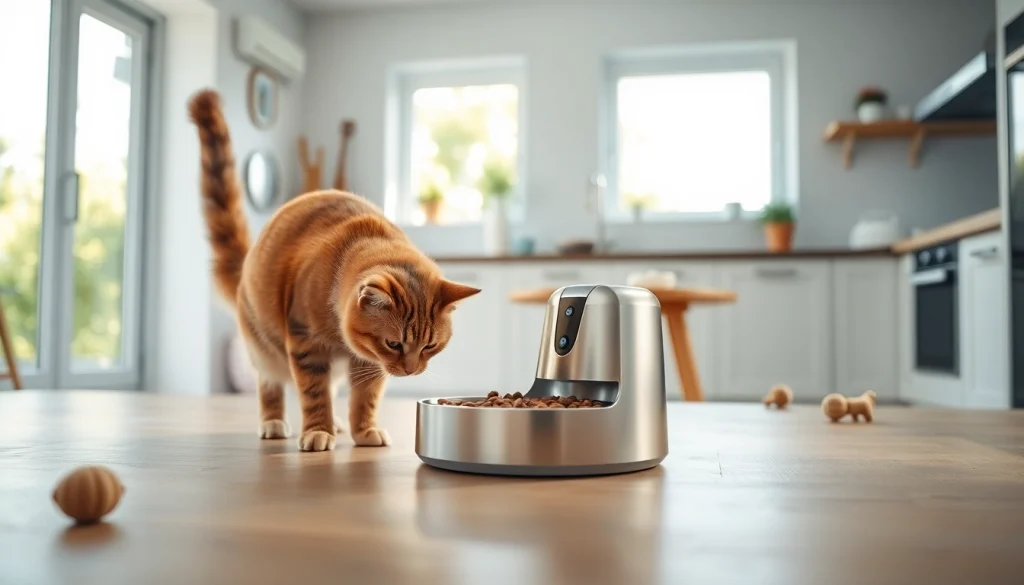
Understanding the Benefits of an Automatic Cat Feeder
Automatic cat feeders are transforming the way pet owners manage their feline companions’ meal times. As many busy professionals juggle work responsibilities and personal commitments, the convenience of an automatic cat feeder allows for structured feeding without the constant presence of a human caregiver. Beyond just convenience, these devices come with numerous benefits that cater to the health and well-being of your pet.
Convenience for Busy Cat Owners
For cat owners with demanding schedules, preparing meals may be a challenge. Automatic feeders address this by allowing owners to schedule feedings in advance and dispense the right portion at the designated time. This helps ensure your cat receives regular meals even when you aren’t home, reducing stress for both you and your pet. Whether you’re working long hours or traveling, programmed feeding can ensure an enhanced lifestyle for your feline friend.
Health Benefits for Your Cat
The design of automatic cat feeders often promotes healthier eating habits. By providing measured portions, they prevent overeating and obesity, which are common problems among indoor cats. With a manual approach, it’s easy to underestimate how much food your cat consumes, especially if they beg for food or act hungry. Automatic feeders allow for precise control over portions, ensuring your cat maintains a healthy diet and weight.
Feeding Customization Options
Many modern automatic feeders come equipped with customizable feeding options, including varied portion sizes, multiple meal schedules, and even remote feeding via smartphone apps. This technology enables owners to tailor their cat’s diet based on specific health needs, weight management, or age-related dietary requirements. Additionally, some advanced models include features for dispensing both wet and dry food, thus accommodating various preferences and nutritional needs of different cat breeds.
Top Features to Look for in an Automatic Cat Feeder
When searching for the best automatic cat feeder, it’s important to evaluate features that enhance its functionality. Here are the top attributes to look for:
Smart Technology Integration
In today’s tech-savvy world, many feeders integrate smart technology, such as WiFi connectivity and app control. This feature allows owners to manage feeding schedules remotely, check food levels, and monitor eating habits through analytics. Smart feeders can often even send alerts if food is running low or if a feeding was missed, ensuring you stay informed about your pet’s dietary habits.
Size and Capacity Considerations
Depending on the size and eating habits of your cat, the capacity of the feeder is crucial. For single cats or smaller breeds, a smaller feeder that holds a few meals may suffice. However, multi-cat households may require feeders with larger capacity, enabling them to hold enough food for several days. Always assess your cat’s consumption rate and choose a feeder that can accommodate it while allowing for regular food refills without regular human intervention.
Programmable Feeding Schedules
The best feeders provide flexibility in meal timing. Look for feeders that allow you to program multiple meals throughout the day. This is particularly beneficial for cats who thrive on routine, as they can learn to expect meals at the same time each day. Additionally, programmable feeding can help with portion control, ensuring that your cat doesn’t consume all their food in one sitting and thereby preventing potential digestive issues.
Comparing Different Types of Automatic Cat Feeders
The market is filled with various types of automatic feeders. Understanding the differences can help you make an informed decision:
Gravity vs. Electronic Feeders
Gravity feeders operate on a simple principle: they allow dry food to flow into the bowl as your cat eats, maintaining a constant supply as long as there is food in the reservoir. While this may be convenient, it doesn’t provide the control of portion sizes that electronic feeders offer. Electronic feeders, which utilize digital timers and motors, can accurately dispense set portions at designated times, offering better dietary control and preventing overindulgence.
Feeders for Wet vs. Dry Food
While dry food is common for many feeders, options for wet food have also emerged. If your cat prefers wet food, choose a feeder designed to accommodate it, ensuring it maintains freshness and does not spoil. Some wet food feeders are equipped with refrigeration or ice packs to keep the food cool, essential for preserving nutrients and ensuring it remains palatable. Always check that your chosen feeder meets your cat’s dietary needs.
Features for Multiple Cats
For households with multiple cats, feeders that can handle multiple feeding stations are invaluable. Some advanced models use technology, like RFID, to identify each cat and dispense food accordingly. This is particularly beneficial for preventing food stealing and managing special diets or food allergies more effectively among your pets.
Setting Up Your Automatic Cat Feeder
Integrating an automatic cat feeder into your home requires a strategic approach to ensure maximum benefit. Here are critical steps to set it up effectively:
Initial Setup and Calibration
Begin with unpacking your feeder and carefully reading the manufacturer’s instructions. Proper setup includes calibrating the device for the appropriate portion sizes based on your cat’s needs. This may involve adjusting the settings to dispense the right amount of food and scheduling feeding times based on your preferences and your cat’s habits. Additionally, place the feeder in a location where your cat feels comfortable, ensuring a stress-free eating experience.
How to Monitor Your Cat’s Eating Habits
Once the feeder is up and running, keeping an eye on your cat’s eating patterns is critical. Many smart feeders offer tracking features that provide insights into how much food is being dispensed versus consumed. Take notes of any changes in behavior or eating habits; this information can be crucial if you need to consult a veterinarian about your cat’s health.
Best Practices for Maintenance and Cleaning
To keep your automatic cat feeder functioning optimally, regular maintenance is vital. Avoid potential blockages and malfunctions by regularly checking and refilling the food reservoir. Additionally, clean all components of the feeder, particularly the food dispensing mechanism, to avoid residue build-up. Follow the manufacturer’s instructions on cleaning to ensure longevity of the feeder and maintain a hygienic feeding environment for your cat.
Customer Reviews and Recommendations
Customer feedback provides invaluable insights into the effectiveness of automatic feeders. Here are some considerations from real users:
Popular Models and Their Features
Some of the most recommended models in the market include those with user-friendly interfaces, long-lasting battery life, and smart features. Consumers rave about the SureFeed Microchip Cat Feeder for its accuracy with multiple cat households and programmable functions. Similarly, devices with WiFi connectivity, like the PetSafe Smart Feed, are often highlighted for their comprehensive app controls and real-time monitoring capabilities.
Real User Experiences and Insights
While many users greatly appreciate the convenience and dietary control afforded by automatic feeders, some have expressed concerns regarding reliability. Common issues include malfunctioning sensors or difficulties with programming. Reading multiple reviews across different platforms can give prospective buyers a balanced view, helping you weigh the pros and cons of specific products before making a purchase.
Whom to Consult for Further Advice
If you’re uncertain about which feeder is best suited for your cat’s needs, consider consulting pet care professionals, including veterinarians or experienced staff at local pet stores. They can provide expert advice tailored to your pet’s specific dietary requirements, age, and health status, further ensuring you choose a device that enhances your cat’s health and well-being.