
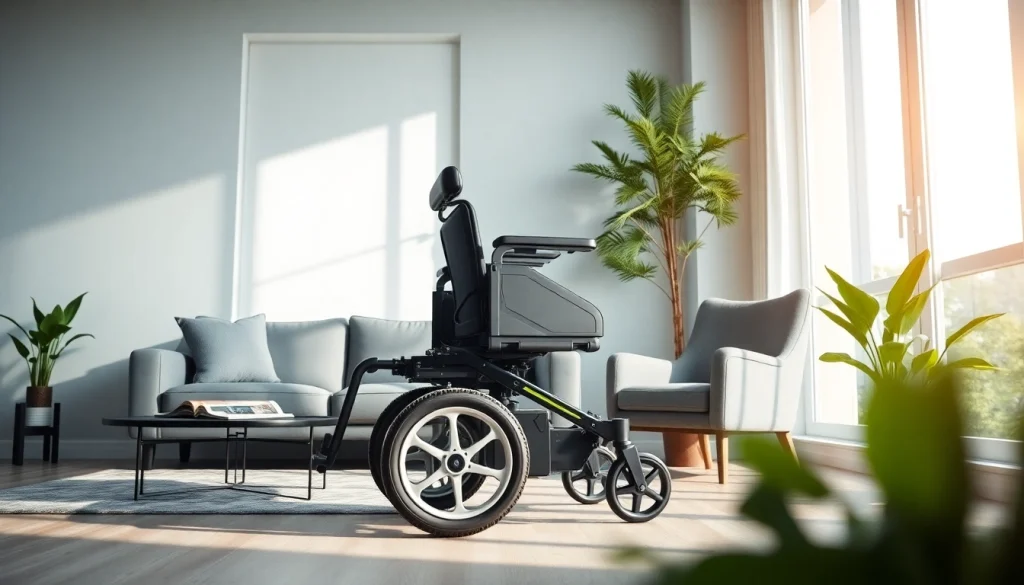
Understanding Electric Wheelchairs: A Comprehensive Overview
Electric wheelchairs, also known as power wheelchairs, have transformed mobility for individuals with physical disabilities, providing them with independence and comfort in navigating their environments. As technological advancements continue to reshape the design and functionality of these devices, it becomes increasingly essential for potential users and caregivers to understand the various options available. When exploring options, electric wheelchair features can vary significantly, from their weight and size to battery life and safety measures, ensuring that users find a model that meets their specific needs.
What is an Electric Wheelchair?
An electric wheelchair is a type of wheelchair powered by batteries and controlled via a joystick or similar device. Unlike manual wheelchairs, which require upper body strength to propel, electric wheelchairs enable users to move effortlessly with minimal physical exertion. This convenience makes them an ideal choice for individuals with limited mobility, including those with conditions such as paralysis, muscular dystrophy, or severe arthritis. They serve not only as a mobility aid but also promote independence and improve the quality of life.
Key Features of Modern Electric Wheelchairs
Today’s electric wheelchairs offer a plethora of features designed to enhance the user experience and ensure safety. Some key features include:
- Adjustable Seating: Many models come with customizable seats, allowing users to adjust seat height, depth, and angle for optimal comfort.
- Advanced Control Systems: Modern electric wheelchairs often utilize sophisticated joystick controls that can be operated with just a finger. Some even offer adaptive controls for users with limited hand function.
- Durable Batteries: The range of electric wheelchairs has improved significantly, with batteries that can last for up to 15 miles on a single charge, making them suitable for daily use.
- Safety Features: Features such as anti-tippers, seat belts, and automatic braking systems help ensure user safety during operation.
Electric Wheelchair Types: Which One is Right for You?
Electric wheelchairs are available in various types to cater to different lifestyles and mobility needs:
- Standard Power Wheelchairs: These are versatile options suitable for indoor and outdoor use. They typically provide good stability and are often equipped with mid-wheel drive technology.
- Heavy-Duty Power Wheelchairs: Designed for users with higher weight capacities and more rugged usage, these models tend to have robust frames and enhanced battery power.
- Portable Electric Wheelchairs: These models are lightweight and foldable, making them easy to transport and store. Ideal for travel, they often sacrifice some features for portability.
- All-Terrain Electric Wheelchairs: Featuring larger wheels and enhanced suspension systems, these are designed for outdoor use on rough terrains or uneven surfaces.
Choosing the Best Electric Wheelchair: Factors to Consider
When selecting an electric wheelchair, there are several critical factors to consider to ensure it meets your specific requirements:
Weight Capacity and Size Options
The weight capacity of an electric wheelchair is one of the first things to examine. It’s essential to choose a model that can safely accommodate the user’s weight. Standard models typically support weights up to 250 lbs, while heavy-duty variants can handle up to 500 lbs or more. Additionally, the size of the wheelchair must align with both the user’s physical dimensions and their daily environment, including doorframe widths and turning radii.
Battery Life and Charging Considerations
Battery life varies significantly between models and is crucial for users who rely on their wheelchair for extended periods. A good electric wheelchair should provide a range that meets the user’s daily travel needs. It’s also important to consider the charging time and the convenience of recharging options, as some may require specific charging accessories.
Comfort Features: Seats, Controls, and Adjustability
Comfort is paramount in wheelchair selection. Look for electric wheelchairs with ergonomic seating, adjustable armrests, and customizable back support. Controls should be intuitive and easy to operate, ensuring that users can maneuver without discomfort. Test various models to find the most comfortable fit.
Innovative Electric Wheelchair Technologies to Watch in 2025
The electric wheelchair industry is rapidly evolving, driven by technological innovation that enhances user experience and accessibility. Here are some advanced technologies that stand out:
Smart Technologies in Electric Wheelchairs
Smart electric wheelchairs incorporate cutting-edge technologies such as built-in GPS systems for navigation and smartphone connectivity for enhanced control. Some models even feature automated adjustments based on environmental conditions, ensuring optimal performance and safety.
Safety Features That Enhance User Experience
Enhanced safety features, such as obstacle detection systems, automatic braking, and emergency stop buttons, are becoming standard in modern electric wheelchairs. These features minimize accident risks and provide peace of mind to users and caregivers.
The Role of AI and Robotics in Future Designs
Artificial intelligence and robotics hold enormous potential for future electric wheelchair designs. Anticipated advancements include self-driving capabilities, which would allow wheelchairs to navigate autonomously in various environments, further promoting user independence.
Real-World Applications: Case Studies and Success Stories
Electric wheelchairs have changed the lives of countless individuals, providing them with newfound independence and mobility. Here are some inspiring examples:
How Electric Wheelchairs Improve Daily Living
Many users report that electric wheelchairs have allowed them to participate in activities they previously thought impossible. From enjoying a day out in the park to attending social events, electric wheelchairs enable individuals to engage fully in their lives.
Testimonials from Satisfied Users
Testimonials reveal the profound impact that electric wheelchairs have had on users’ lives. For example, one user, Jane, shared that her electric wheelchair enabled her to rediscover the joy of traveling, allowing her to visit family and friends across the country.
Community Programs Supporting Wheelchair Accessibility
Several community programs focus on enhancing accessibility for wheelchair users. These initiatives often provide resources for obtaining electric wheelchairs and creating wheelchair-friendly public spaces, ensuring that users can navigate their communities with ease.
Future Trends in Electric Wheelchairs: What’s Next?
The market for electric wheelchairs is projected to evolve significantly over the next few years, driven by user demand for more advanced features and improved accessibility. Some trends to anticipate include:
Market Predictions and Pricing Trends for 2025
As technology advances and production becomes more efficient, it is expected that the pricing for electric wheelchairs will stabilize. While high-end models may remain expensive, mid-range options are likely to become more affordable, allowing greater access for users.
Emerging Brands and Innovators in the Electric Wheelchair Space
New companies are entering the market, bringing fresh ideas and innovative designs. This influx of competition is likely to foster advancements in comfort, performance, and affordability, providing consumers with an array of choices.
Advocacy for Improved Accessibility and Inclusion
Advocacy groups and individuals are challenging public policies to promote greater inclusion for wheelchair users. Efforts include campaigns for accessible public transportation and more inclusive urban planning, which are essential for maximizing mobility and independence for all.