
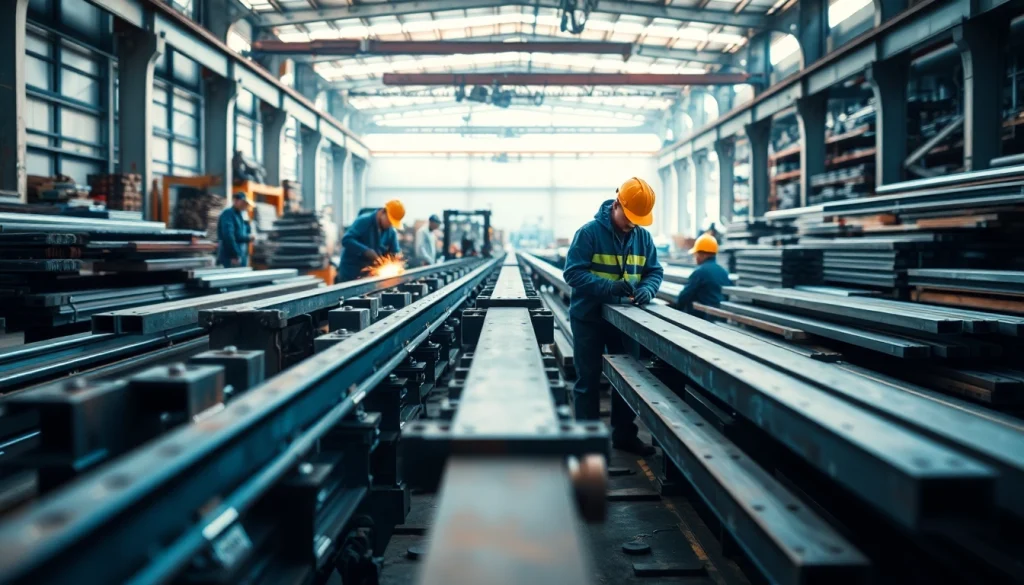
Understanding Structural Steel Fabrication
Structural steel fabrication is a cornerstone of modern construction, enabling the creation of a wide array of buildings, bridges, and industrial structures. This process involves the transformation of raw steel into finished components, essential for structural integrity. Companies engaged in structural steel fabrication play a vital role in ensuring that these components meet specific engineering and architectural standards, thus contributing significantly to the safety and durability of constructions.
What is Structural Steel Fabrication?
Structural steel fabrication refers to the process of converting raw steel materials into components such as beams, columns, and plates that are integral to construction projects. During this process, steel is cut, shaped, and assembled using various techniques, including welding, machining, and bolting. Essential steps involve precise measurements, adherence to engineering specifications, and ensuring the materials are fit for the intended purpose.
Key Steps in the Fabrication Process
The fabrication process typically involves several key steps:
- Design and Drafting: This initial phase involves creating detailed drawings and specifications to guide the fabrication process. Advanced software tools are often utilized for precision.
- Material Sourcing: Procurement of high-quality steel and related materials is crucial to ensure compliance with regulatory standards.
- Cutting: Various methods, including saw cutting, plasma cutting, and laser cutting, are employed depending on the design requirements.
- Assembling: After cutting, the components are assembled. This may involve welding or bolting to ensure stability and strength.
- Finishing: Lastly, surface treatments may be applied to enhance durability and corrosion resistance.
Materials Used in Structural Steel Fabrication
The choice of materials directly impacts the quality and performance of fabricated products. Common materials include:
- Mild Steel: This is the most widely used type of steel due to its malleability and versatility.
- High-Strength Low-Alloy Steel: Offering better mechanical properties, it is often favored when weight reduction is crucial.
- Stainless Steel: Known for its resistance to corrosion, stainless steel is typically used in environments where moisture is prevalent.
Benefits of Structural Steel Fabrication
Opting for structural steel fabrication offers numerous advantages that can enhance overall project outcomes.
Cost-Effectiveness and Durability
Fabricating structures from steel can be more cost-effective than traditional materials, particularly when considering lifecycle costs. Steel’s longevity and resistance to environmental challenges lead to lower maintenance costs over time.
Design Versatility and Adaptability
Structural steel allows for greater design flexibility, enabling architects and engineers to create innovative and complex structures. Structures can be easily adapted or modified without compromising strength or integrity.
Speed of Construction
The off-site fabrication of steel components allows for simultaneous construction activities. This efficiency can significantly shorten project timelines, leading to faster completion and reduced labor costs.
Best Practices for Successful Fabrication
Implementing best practices in structural steel fabrication ensures high-quality production outcomes.
Quality Control Measures
Robust quality control processes must be established throughout the fabrication process. Regular inspections and testing ensure that all parts meet specifications and safety standards, thus preventing issues during installation or use.
Safety Protocols in the Workshop
Prioritizing worker safety is critical in the fabrication shop. Proper safety protocols, including protective gear, machine safeguards, and emergency procedures, must be enforced to reduce the risk of accidents.
Training and Skill Development
Continuous training and skill enhancement for workers involved in the fabrication process are essential. Regularly updated training ensures that employees stay abreast of new technologies and industry standards that improve fabrication practices.
Challenges in Structural Steel Fabrication
Despite its advantages, structural steel fabrication poses several challenges that must be addressed for successful project execution.
Supply Chain Issues
Fabricators may face challenges related to sourcing materials, particularly during periods of high demand. Establishing relationships with multiple suppliers can mitigate potential delays in production.
Environmental Regulations
Compliance with environmental regulations is paramount in the fabrication industry. Companies must be aware of and adapt to changing environmental legislation to avoid penalties and ensure sustainable practices.
Labor Shortages and Skills Gap
The industry is experiencing a significant skills gap, creating challenges in workforce recruitment and retention. Strategies to attract talent, such as apprenticeship programs and enhanced working conditions, are critical for future success.
The Future of Structural Steel Fabrication
The structural steel fabrication sector is poised for significant changes driven by advancements in technology and evolving market demands.
Technological Advances and Automation
Automation and advanced manufacturing technologies, such as robotics and artificial intelligence, are expected to revolutionize the fabrication process. These innovations can enhance precision and reduce labor costs while increasing overall productivity.
Market Trends and Growth Projections
The structural steel fabrication market is projected to experience steady growth, driven by demand across various sectors including construction, automotive, and aerospace. Keeping abreast of market trends will be crucial for businesses aiming to thrive in this competitive landscape.
Eco-Friendly Practices and Sustainability
As sustainability becomes a priority, adopting eco-friendly practices in steel fabrication will be essential. Emphasizing recyclable materials and energy-efficient processes will not only meet regulatory requirements but also appeal to environmentally conscious customers.
Frequently Asked Questions (FAQs)
What is structural steel fabrication?
Structural steel fabrication is the process of transforming raw steel into structural components for construction. Techniques like cutting, bending, and welding are employed to create beams, columns, and plates.
How long does the fabrication process take?
The duration of the fabrication process can vary based on the complexity of the project, material availability, and workload. Generally, it can range from a few weeks to several months.
What are common materials used in structural steel fabrication?
Common materials include mild steel, high-strength low-alloy steel, and stainless steel. Each material has unique properties suitable for different applications.
How do I choose a structural steel fabricator?
When selecting a fabricator, consider their experience, quality control processes, certifications, and customer reviews. It’s crucial to choose a partner that aligns with your project needs.
Are there eco-friendly options in structural steel fabrication?
Yes, many fabricators now use recycled steel and implement sustainable practices. Eco-friendly approaches include reducing waste and energy consumption, making the process more sustainable.