
Porcelain worktops have quickly moved from niche product to mainstream favourite for homeowners who want a sleek, high‑performance surface in their kitchen. Originally popular in commercial spaces, porcelain has evolved into a premium option for domestic projects, offering impressive durability, thin modern profiles and a huge variety of designs. In this article, we will explore what porcelain worktops are, how they are made, how they compare with other materials and what to think about when planning a new installation in your home.
- What Are Porcelain Worktops?
- Key Advantages of Porcelain Worktops
- Porcelain in Indoor and Outdoor Kitchens
- Porcelain vs Quartz Worktops
- Porcelain Compared with Dekton and Other Ultra‑Compact Surfaces
- Porcelain vs Granite and Marble
- Design Possibilities with Porcelain Worktops
- Planning Porcelain Worktop Supply and Installation
- Working with Local Specialists
- Cost Considerations for Porcelain Worktops
- Is Porcelain the Right Choice for Your Kitchen?
- Porcelain for Bathroom Renovation
- Final Thoughts
What Are Porcelain Worktops?
Porcelain worktops are made from refined clay and mineral powders that are pressed under high pressure and fired at very high temperatures. This process creates an ultra‑dense, non‑porous material that is exceptionally hard and resistant to heat, stains and scratches. The same technology used for high‑end porcelain tiles is adapted to produce large slabs suitable for kitchen worktops, splashbacks and wall cladding.
Modern manufacturing techniques allow porcelain slabs to be printed and textured with incredibly realistic designs. You can choose surfaces that look like marble, concrete, metal or even timber, all with the performance benefits of porcelain. For homeowners who want to understand how porcelain fits into the wider worktop market, it is useful to compare it with other engineered stones by starting with resources such as Quartz Worktops, which explain the fundamentals of engineered surfaces before moving into more specialist options.
Key Advantages of Porcelain Worktops
One of the biggest selling points of porcelain worktops is their exceptional resistance to heat. Because the material is fired at extremely high temperatures during production, it can comfortably withstand hot pans and baking trays being placed on the surface for short periods without scorching or discolouration. This makes porcelain particularly attractive for keen cooks who use their kitchen intensively.
Porcelain is also highly resistant to stains. The surface is non‑porous, so liquids such as wine, coffee, oils and sauces cannot easily penetrate. A quick wipe with a mild cleaner is usually enough to keep the worktop looking fresh. This low‑maintenance nature is a major advantage in busy family homes, rental properties and open‑plan spaces where the kitchen is at the heart of everyday life.
Porcelain in Indoor and Outdoor Kitchens
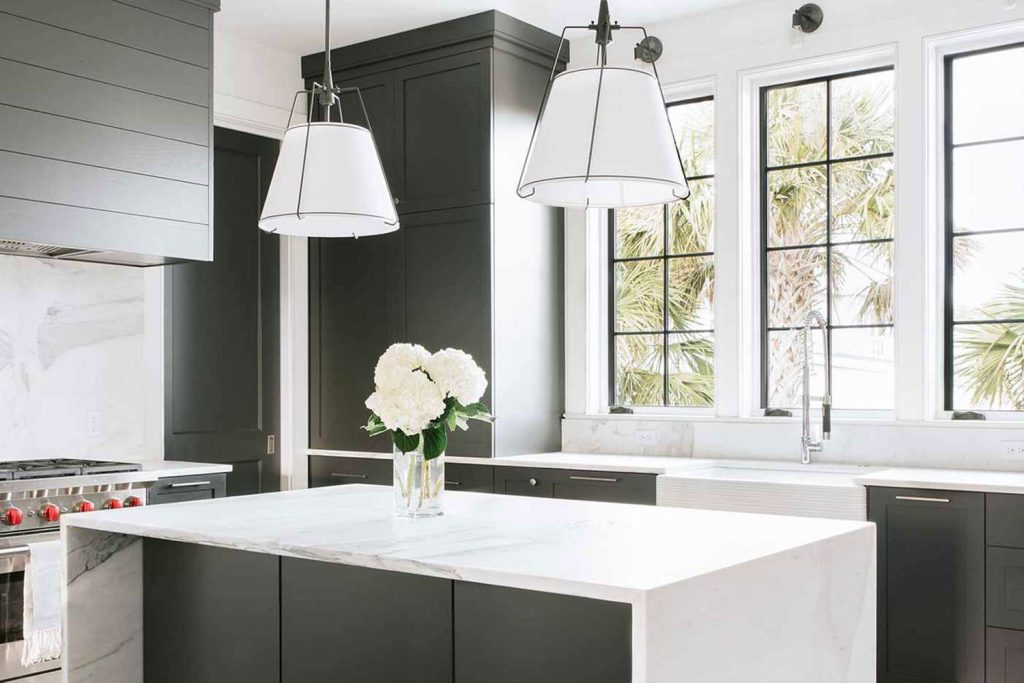
Another reason porcelain has grown in popularity is its excellent resistance to UV light. Many traditional worktop materials can fade or change colour when exposed to strong sunlight over time, which limits their use in outdoor kitchens or heavily glazed extensions. Porcelain’s colour stability means it can be used confidently in outdoor cooking areas, garden bars and sun‑filled rooms without worrying about long‑term fading.
Because of this versatility, some homeowners choose porcelain for both indoor and outdoor surfaces to create a seamless visual connection between their kitchen and garden. Others mix porcelain with different materials inside the home, for example using porcelain on a hardworking island while pairing it with softer natural stone on a feature run of cabinets. When planning these combinations, it is valuable to work with experienced Kitchen Worktops Specialists in London who understand how different materials behave and how to balance aesthetics with practicality.
Porcelain vs Quartz Worktops
Porcelain and quartz are often compared because both are engineered surfaces with strong performance credentials. Quartz is made from ground natural quartz crystals bound with resins and pigments, while porcelain is a sintered ceramic material. Both are non‑porous and highly resistant to staining, but there are some important differences.
Quartz tends to have a slightly warmer, more stone‑like feel and is available in a wide range of solid colours and marble‑effect designs. Porcelain, on the other hand, excels at ultra‑thin profiles and can be produced in very large slab sizes, which is ideal for minimal, contemporary kitchens. It can also offer more extreme visual effects, such as industrial concrete looks or metallic finishes. Homeowners deciding between the two often look at Porcelain Worktops alongside quartz options to see which better matches their design vision and practical needs.
Porcelain Compared with Dekton and Other Ultra‑Compact Surfaces
Porcelain sits within the broader category of ultra‑compact surfaces, which also includes materials like Dekton. These products share similar manufacturing principles, using high pressure and temperature to create extremely dense, hard‑wearing slabs. Both are highly resistant to heat, scratching and UV light, making them suitable for demanding environments.
However, each brand and product line has its own strengths. Some offer particular finishes, thicknesses or slab sizes that may suit your project better than others. For example, homeowners exploring the full range of ultra‑compact options often review Dekton Worktops as a point of comparison. Looking at Dekton and porcelain side by side helps you understand subtle differences in texture, sheen and edge detail so you can choose the material that feels right for your kitchen.
Porcelain vs Granite and Marble
Granite and marble have long been associated with high‑end kitchens, offering natural variation and timeless appeal. Granite is generally hard and durable, while marble is prized for its elegant veining but requires more careful day‑to‑day care. Both are porous to some degree and usually need sealing to protect against staining.
Porcelain offers a different proposition. Rather than relying on natural variation, it delivers highly controlled designs that can mimic stone, concrete or even timber with remarkable accuracy. Because porcelain is non‑porous, it does not require sealing and is more resistant to staining than many natural stones. Homeowners who love the look of stone but want a more predictable, low‑maintenance surface often compare porcelain with options such as Granite Kitchen Worktops and Marble Worktops before deciding which route to take.
Design Possibilities with Porcelain Worktops
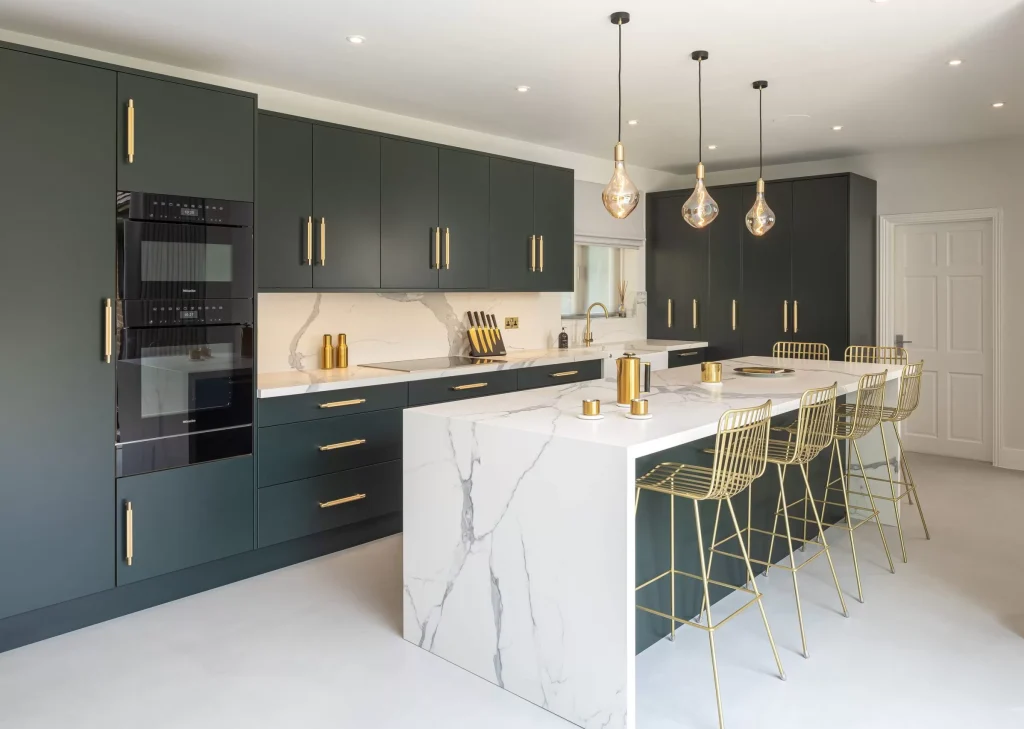
Because porcelain can be manufactured in large slab sizes and very thin profiles, it opens up design possibilities that are difficult with some other materials. Ultra‑slim worktops, waterfall ends on islands, full‑height splashbacks and cladding for cabinet fronts or feature walls are all achievable. The same material can even be used for flooring and exterior cladding, allowing designers to create a cohesive look across multiple surfaces in and around the home.
Finishes range from smooth, polished surfaces that reflect light and make smaller kitchens feel larger, through to textured, industrial‑style designs that work well in loft apartments and contemporary extensions. Colour palettes include soft neutrals, deep charcoals, warm beiges and realistic marble‑effect patterns. When choosing a finish, it is important to consider how it will interact with cabinet colours, flooring, lighting and the overall style of the property.
Planning Porcelain Worktop Supply and Installation
Because porcelain is a specialist material, the quality of the installation is just as important as the quality of the slab itself. Accurate templating is essential to ensure that joints fall in the right places, cut‑outs are correctly sized and the finished worktop fits perfectly against walls that may not be completely straight. Access routes also need to be planned carefully, particularly in older properties with narrow staircases or tight corners.
Many homeowners prefer to work with kitchen worktops companies like Kitchen Worktops Near Me that manage Kitchen Worktops supply, replacement and installation as a complete service. This approach reduces the risk of miscommunication between different trades and ensures that one specialist is responsible for the entire process, from measuring and fabrication to delivery and final checks. It also simplifies aftercare, as there is a single point of contact if any adjustments or questions arise later.
Working with Local Specialists
Local expertise can make a significant difference to the success of a porcelain worktop project. Installers who regularly work in your area understand typical property layouts, access challenges and local building quirks. They can advise on practical details such as joint placement, support for breakfast bars and how to integrate sinks, hobs and splashbacks so that everything looks cohesive.
Choosing a company with a strong track record in your region also makes it easier to view previous installations and real‑life case studies. Seeing how porcelain performs in actual homes, rather than just in showroom lighting, helps you judge how different colours and finishes will look in your own space. Many homeowners start their research by browsing Granite Worktops Near Me and similar pages for other materials, then move on to porcelain once they understand the pros and cons of each option.
Cost Considerations for Porcelain Worktops
Porcelain worktops are generally positioned at the premium end of the market, reflecting the advanced manufacturing process and specialist installation skills required. The exact cost will depend on the thickness of the slab, the chosen design, the complexity of the layout and any additional features such as integrated drainers or mitred waterfall ends. While the initial investment may be higher than some quartz or laminate options, many homeowners feel that the long‑term durability and design flexibility justify the extra spend.
When comparing quotes, it is important to ensure that you are looking at like‑for‑like proposals. Some estimates may appear cheaper because they exclude essential elements such as removal of old worktops, cut‑outs, upstands or final finishing. Taking time to read a detailed pricing breakdown and asking installers to clarify what is included will help you make a fair comparison and avoid unexpected costs later in the project.
Is Porcelain the Right Choice for Your Kitchen?
Whether porcelain is the best option for your home depends on how you use your kitchen and what you value most in a worktop. If you want a surface that can handle high temperatures, heavy use and strong sunlight with minimal maintenance, porcelain is a very strong contender. Its ability to be used both indoors and outdoors, combined with its wide range of finishes, makes it particularly appealing for modern, design‑led projects.
On the other hand, if you prefer the natural variation of stone or are working to a tighter budget, quartz or granite might be more suitable. The key is to compare real samples in your own lighting conditions and to discuss your priorities with an experienced supplier who works with multiple materials. Many homeowners start their journey by exploring Dekton Worktops and other ultra‑compact surfaces alongside porcelain so they can make an informed, confident decision.
Porcelain for Bathroom Renovation
Porcelain is an exceptionally smart choice for bathroom surfaces because it is engineered to handle constant moisture, heavy use and strong cleaning products without deteriorating. The material is fired at very high temperatures, creating a dense, non‑porous surface that will not absorb water, soap, makeup or hair dye, and it never needs sealing. Large‑format porcelain slabs can be used for vanity tops, shower walls and bath surrounds with very few grout lines, giving the bathroom a seamless, high‑end look that is also easy to wipe down. Its resistance to scratches, stains and UV light means the colour and finish stay crisp for years, even in bright, steamy rooms. For homeowners planning a full bathroom renovation, porcelain delivers a genuinely low‑maintenance, design‑led solution that looks like natural stone or concrete while outperforming many traditional materials in day‑to‑day use.
Final Thoughts
Porcelain worktops offer a compelling combination of durability, design flexibility and low maintenance. Their resistance to heat, scratching, staining and UV light makes them ideal for demanding environments, while the broad choice of colours and finishes allows them to fit seamlessly into almost any design style. By working with knowledgeable specialists, planning the installation carefully and comparing porcelain honestly with quartz, Dekton, granite and marble, you can decide whether this advanced surface is the right foundation for your new kitchen.