
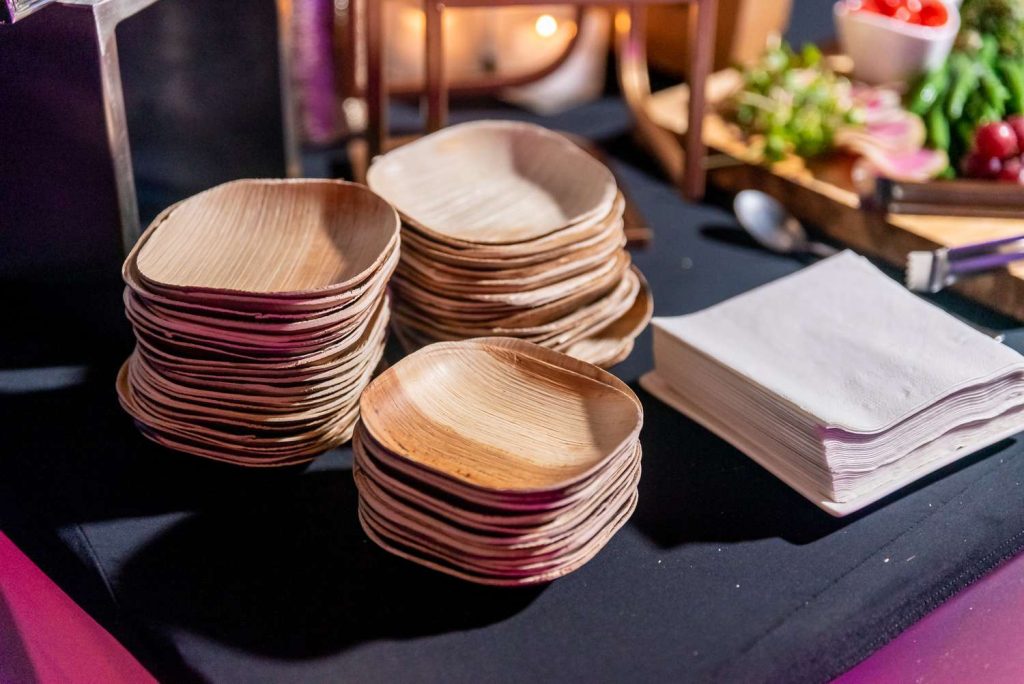
Understanding Compostable Plates
As environmental concerns grow more pressing, the adoption of eco-friendly options like compostable plates becomes increasingly vital. These alternatives allow consumers to enjoy the convenience of disposable items while minimizing their ecological footprint. In this article, we will delve into what compostable plates are, the materials used to create them, and their benefits.
What Are Compostable Plates?
Compostable plates are disposable tableware designed to break down into natural elements in a composting environment. They are made from organic materials, such as plant fibers, that can decompose fully, offering an environmentally friendly alternative to traditional plastic and Styrofoam plates. Typically, these plates can decompose in a composting facility within 90 to 180 days, depending on conditions.
Materials Used in Compostable Plates
Several materials contribute to the construction of compostable plates. Each one provides different advantages related to strength, biodegradability, and user experience:
- Sugarcane Fibers (Bagasse): A byproduct of sugar extraction, sugarcane fibers are a common material used in compostable plates. They are durable and suitable for both hot and cold foods.
- Bamboo: Bamboo plates offer a sturdy, stylish option that is biodegradable and can also withstand heat, making them ideal for various uses.
- Wheat Straw: Made from leftover plant material after wheat is harvested, these plates are lightweight yet strong, adding to their appeal as a sustainable option.
- Recycled Paper: Often used for plates, recycled paper products can be composted as long as they are not coated with plastic or wax, which can hinder decomposition.
Benefits of Using Compostable Plates
The shift towards compostable plates comes with numerous benefits, making them a compelling choice for both consumers and businesses:
- Environmental Impact: Compostable plates reduce landfill waste and pollution since they can decompose, returning nutrients to the soil.
- Health and Safety: Most compostable plates are free from toxic substances, making them a healthier alternative for food service.
- Versatility: These plates are available in various styles and sizes, suitable for different occasions, from casual picnics to elegant events.
- Consumer Demand: As eco-consciousness grows among consumers, businesses using compostable options can cater to this market trend, enhancing brand loyalty.
Types of Compostable Plates
Paper vs. Bamboo Compostable Plates
When considering compostable plates, users often face a choice between paper and bamboo options:
- Paper Plates: These plates are lightweight and designed for single-use, making them perfect for casual settings. However, they must be free from plastic or wax coatings to be compostable.
- Bamboo Plates: These have a more robust feel and can hold heavier foods without bending. They also provide a more elegant appearance for events, though they are generally more expensive than paper plates.
Single-use and Reusable Options
Compostable plates can be classified as single-use or reusable. While single-use plates are ideal for situations where convenience is key, reusable compostable plates offer durability and can be washed for multiple uses before they need to be composted. This combination provides flexibility depending on the occasion.
Size and Thickness Considerations
When selecting compostable plates, consider the size and thickness that best suits your needs. Plates come in various diameters, typically ranging from 6 inches to 12 inches. Thickness can also vary, impacting their sturdiness and suitability for different types of food.
Choosing the Right Compostable Plates
Factors to Consider When Selecting Plates
When choosing compostable plates, several factors should influence your decision:
- Type of Event: Assess whether the plates will be used for formal gatherings or casual outings, as this impacts aesthetics and functionality.
- Food Type: Consider the foods being served. For instance, heavier entrees may require sturdier plates, while lighter snacks can use thinner ones.
- Budget: Prices for compostable plates can vary widely, so it’s essential to find options that fit within your budget while meeting other criteria.
Best Uses for Different Types
Different compostable plate materials excel in specific contexts:
- Paper Plates: Ideal for casual picnics, BBQs, and everyday use where durability is less crucial.
- Bamboo Plates: Best suited for formal events, parties, and catering where presentation matters.
- Wheat Straw Plates: Effective for festivals and outdoor events due to their lightweight nature.
Eco-Friendly Certifications Explained
Understanding certification can help consumers make informed decisions:
- Compostable Certification: Look for ASTM D6400 or EN 13432 certifications, ensuring products will compost effectively in industrial settings.
- Biodegradable Certification: This indicates a product can break down into non-toxic components, but may not specify how long that takes.
- Recyclable Certification: Some compostable plates can also be recycled, reducing waste further.
Disposing of Compostable Plates Correctly
Composting Process for Plates
The composting process for plates involves breaking down organic materials into nutrient-rich soil. Make sure to place them in a compost bin that maintains the right temperature and moisture levels for effective decomposition.
Disposal Methods and Local Guidelines
Disposal methods can vary depending on local regulations. It’s crucial to check whether your local waste management system accepts compostable materials. Select a reliable composting service if home composting is not an option.
Common Misconceptions about Compostable Plates
Many misconceptions surround compostable plates, such as:
- All Compostable Plates Are the Same: Different materials have varying decomposition rates and requirements.
- They Can Be Thrown Anywhere: Compostable doesn’t mean they can go in any bin; they often require specific conditions to break down.
- They Are Always Expensive: While some compostable plates can be pricey, affordable options are continually being developed as demand rises.
Top FAQs About Compostable Plates
Are Compostable Plates Really Compostable?
Generally, yes. Most plates made from organic materials like paper, bamboo, or sugarcane can be composted effectively in appropriate conditions.
Where Can I Dispose of Compostable Plates?
Disposal usually involves placing them in a compost bin or facility that processes organic waste. Check local guidelines for specific rules.
Can Compostable Plates Hold Hot Foods?
Yes, many compostable plates are designed to withstand hot foods. However, check the specifications to ensure they’re heat resistant.
How to Choose Compostable Plates for Events?
Consider the type of event, food being served, and aesthetic needs, along with durability and cost to select suitable compostable plates.
What Makes Plates Compostable?
Plates are compostable if made from organic materials that can break down in a composting environment without leaving harmful residues.