
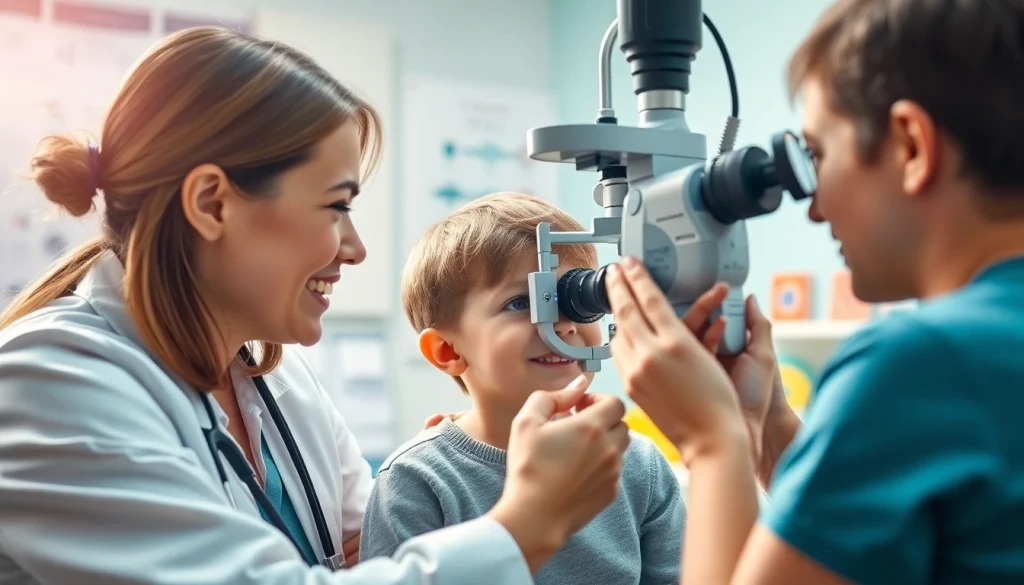
The Importance of Our Children’s Vision
Ensuring the optimal development of our children requires attention to various aspects of their health, with vision being one of the most critical yet often overlooked elements. The ability to see clearly not only plays a significant role in a child’s learning and development but also impacts their daily interactions and overall quality of life. For many families, understanding and prioritizing eye health can transform the trajectory of their child’s life. More information on this vital issue can be found on Our Children’s Vision.
Understanding Visual Development in Children
Visual development is a complex process that begins at birth and continues through the formative years of childhood. Understanding how children develop sight is crucial for parents and caregivers. In the first year of life, vision evolves dramatically. Newborns can see only a few inches away, but by six months, infants typically focus on objects across the room and track moving things with their eyes.
By the age of three, most children have developed a significant level of visual acuity, which allows them to participate more fully in surroundings. This growth continues through the age of five, where color distinction and depth perception become well defined. Failure to recognize these milestones can lead to undiagnosed vision problems that affect educational and social development.
Common Vision Problems in Childhood
As children develop, various vision problems may arise, impacting their ability to learn and participate in daily activities. Some common issues include:
- Amblyopia (Lazy Eye): This condition occurs when one eye does not develop proper vision and can lead to poor eyesight if not treated early.
- Strabismus (Crossed Eyes): In this condition, the eyes do not properly align with each other. Strabismus can hinder depth perception and lead to amblyopia.
- Refractive Errors: Conditions like myopia (nearsightedness), hyperopia (farsightedness), and astigmatism often emerge during childhood and can be corrected with glasses or contact lenses.
- Convergence Insufficiency: This is a condition where the eyes do not work together while focusing on nearby objects, making reading and close-up tasks difficult.
Recognizing these issues is crucial for timely intervention and treatment, which minimizes the long-term implications on a child’s vision and learning ability.
The Role of Routine Eye Exams
Routine eye exams are vital for maintaining children’s eye health. The American Optometric Association recommends that children receive their first comprehensive eye exam at six months, followed by additional check-ups at age three, before first grade, and every two years thereafter, or as directed by an eye care professional.
These examinations not only assess visual acuity but also check for various eye conditions that may develop over time. Routine eye care can detect issues early, often allowing for more effective treatment options that can significantly enhance a child’s visual development and educational experience.
Recognizing Signs of Visual Impairment
Early detection of visual impairment is crucial to addressing potential issues effectively. Parents and caregivers play a fundamental role in observing and addressing any signs of trouble in their children’s vision.
Behavioral Indicators to Watch For
Parents should remain vigilant for signs that may suggest a vision problem in their child. Common behavioral indicators include:
- Squinting or tilting the head while looking at distant or close objects.
- A tendency to cover one eye or frequently rubbing the eyes.
- Difficulty identifying objects far away or recognizing familiar faces from a distance.
- Complaints of headaches or eye fatigue after reading or engaging in close-up activities.
- Holding books or screens unusually close to the face.
Parental Guidance for Early Detection
As active observers in their children’s lives, parents can make a significant impact by being proactive. Educating oneself on the milestones of visual development allows caregivers to compare their child’s vision to recognized standards. Engaging in conversations with children about their daily visual experiences can also help identify issues that may not be immediately apparent.
If parents notice any concerns, they must not hesitate to consult an eye care professional for further evaluation. Timeliness is key; early intervention can lead to better outcomes.
Consulting Professionals: When to Seek Help
Knowing when to seek the advice of eye care professionals is essential. Children should receive their first vision screening at a pediatric appointment and subsequent referrals can be made based on whether any risks or concerns arise. Symptoms such as persistent squinting, sensitivity to light, or difficulty in reading can indicate the need for a more comprehensive examination by an eye specialist.
Strategies for Maintaining Healthy Eyes
In addition to seeking professional care, there are several proactive strategies that parents can employ to maintain healthy vision for their children.
Nutrition and Eye Health
Nutrition plays an essential role in eye health. There is a wealth of evidence suggesting that certain nutrients can support and optimize visual development. Incorporating foods rich in antioxidants, vitamins A, C, and E, as well as omega-3 fatty acids, can promote eye health. Some beneficial foods include:
- Carrots and sweet potatoes (rich in beta-carotene).
- Citrus fruits (vitamin C).
- Leafy greens like spinach and kale (lutein and zeaxanthin).
- Fish such as salmon and tuna (omega-3 fatty acids).
Importance of Screen Time Management
In today’s digital age, children are exposed to screens more than ever before. Managing screen time is pivotal to reducing potential eye strain and discomfort. Parents can implement the 20-20-20 rule: every 20 minutes, children should take a 20-second break to look at something 20 feet away. Additionally, ensuring that screen time is balanced with outdoor activities can enrich children’s experiences while also promoting better eye health.
Creating a Safe Visual Environment
Creating an environment conducive to good vision involves minimizing hazards and ensuring adequate lighting. Ensuring that workspaces are well-lit, using screen protectors, and keeping sharp objects out of reach can aid in preventing accidents. Regularly assessing the environment for potential hazards can create a safer space for children to explore.
Choosing the Right Eye Care Professional
Choosing an appropriate eye care professional is crucial for ensuring your child’s eye health. Parents should be informed about different types of providers and what to look for when selecting an eye care specialist.
Qualifications of a Child Eye Specialist
When seeking an eye care specialist for children, look for professionals with credentials such as a pediatric optometrist or an ophthalmologist who specializes in childhood vision. Their training in child-specific conditions sets them apart and supports comprehensive care tailored to children’s unique needs.
Questions to Ask During Your Visit
Preparing questions ahead of time can ensure comprehensive discussions during visits and empower parents regarding their child’s eye health. Essential questions can include:
- What specific vision tests will be conducted today?
- What should I look for as potential warning signs of vision impairment at home?
- What options for treatment are available if an issue is found?
- What advice do you recommend for maintaining healthy eyes between visits?
Building Trust with Your Child’s Optometrist
Establishing a trusting relationship with the eye care professional can enhance the experience for both the child and the parent. Cultivating a rapport encourages open communication and ensures a comfortable environment for the child, making future appointments positively engaging rather than intimidating.
Resources for Parents on Our Children’s Vision
Accessing relevant information and support networks can substantially benefit families navigating the complexities of children’s vision health. Various resources are available to empower parents and enhance their understanding and responsiveness.
Support Networks and Community Programs
Engaging with local support networks can connect families to resources and community programs dedicated to children’s vision health. Many communities have organizations designed to raise awareness about vision issues, provide educational seminars, and sponsor free eye screenings.
Educational Materials for Parents and Kids
Numerous educational materials exist to help children and parents learn about eye health. Finding age-appropriate activities, books, and online content can enrich children’s understanding of visual health and encourage proactive behavior regarding eye care.
Advocacy and Awareness Initiatives
Participating in advocacy initiatives helps promote awareness about the importance of children’s vision. By joining efforts in school programs or local health fairs, parents can play a vital role in educating others about the necessity of regular eye assessments and the significance of visual health in childhood development.