Understanding the Smog Check
What is a Smog Check?
A Smog Check, also known as an emissions test, is an evaluation performed on a vehicle to determine its exhaust emissions. This inspection assesses how much pollution a vehicle contributes to the atmosphere by measuring the concentration of harmful pollutants including hydrocarbons, carbon monoxide, and nitrogen oxides. The Smog Check helps ensure that vehicles meet state environmental regulations aimed at reducing air pollution and improving air quality.
Why a Smog Check Matters
Smog Checks are not just regulatory requirements; they play a crucial role in public health and environmental conservation. Vehicles are a significant source of air pollution, and ensuring that they run within permissible emission limits helps safeguard air quality and public health. By reducing toxic emissions, Smog Checks help mitigate serious health risks associated with air pollution, like respiratory illnesses, cardiovascular diseases, and other health-related problems.
How Smog Checks Help the Environment
Conducting regular Smog Checks helps identify and control vehicle emissions. This not only aids in achieving compliance with local and federal air quality standards but also contributes significantly to sustainable environmental practices. With improved emission controls, cities can reduce instances of smog, acid rain, and overall greenhouse gas emissions, benefiting ecosystems and promoting cleaner air for everyone.
Smog Check Process Explained
Pre-Check Preparations
Before taking your vehicle for a Smog Check, ensure it is properly maintained. This includes checking the engine light, oil, and air filters and ensuring tire pressure is appropriate. If your vehicle is due for any repairs, addressing them before the check can help avoid costly repairs after a failure. Gather necessary documents, such as the vehicle registration and any previous Smog Check results to facilitate the inspection process more smoothly.
The Actual Smog Check Procedure
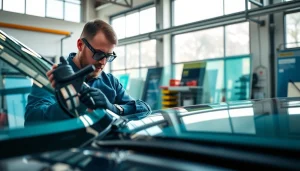
The Smog Check generally involves a visual inspection of your vehicle’s emissions system and an analysis of exhaust emissions. This may include an Idle Test, where the car’s engine is tested at a stationary state, or a Fast Pass, where the vehicle is assessed while in motion. Technicians will use specialized equipment to scan for emissions levels. If the vehicle exceeds the allowed limits, it will fail the inspection.
After the Smog Check: Next Steps
If your vehicle passes the Smog Check, you’ll receive a certificate that is needed for vehicle registration renewal. In cases of failure, you’ll receive a report detailing the emissions issues. It’s imperative to address these issues promptly and retest your vehicle. Many technicians can offer advice on how to repair identified problems to ensure compliance on your next visit.
Common Challenges with Smog Checks
Identifying Common Vehicle Emission Issues
Common problems that trigger a Smog Check failure include faulty oxygen sensors, damaged catalytic converters, and issues within the emissions control system. Regular vehicle maintenance is vital to identifying these problems early, enabling owners to keep their vehicles compliant. Keeping abreast of the vehicle’s health with routine service checks can save time and costs associated with Smog Check failures.
Understanding the Cost of Smog Checks
The cost of a Smog Check varies by location and vehicle type, typically ranging from $30 to $100. Factors influencing the pricing include local regulations, the type of vehicle, and the specifics of the emissions testing methods employed. Be aware that additional fees may apply if repairs are necessary after a failure or if a retest is required.
Tips for Successful Smog Inspections
To enhance your chances of a successful Smog Check, maintain your vehicle regularly, check for warning lights on the dashboard, and handle minor repairs beforehand. Also, make sure your vehicle is warmed up before the inspection, as cold engines may emit higher emissions. These proactive steps can lead to improved performance during the Smog Check.
Smog Check Regulations and Requirements
State-Specific Smog Check Laws
Smog Check requirements vary significantly between states. Some require emissions testing more frequently than others depending on the location’s air quality issues. States might also apply different criteria for which vehicles require testing based on age, type, and fuel source. Always check your local regulations to ensure compliance.
How to Prepare Necessary Documentation
Documentation needed for a Smog Check may include vehicle registration, proof of insurance, and previous Smog Check results if applicable. It’s essential to have all necessary documents on hand to streamline the inspection process and avoid delays.
Legal Consequences of Skipping Smog Checks
Failing to adhere to Smog Check regulations can lead to hefty fines and could inhibit the ability to register or renew vehicle registration. In some cases, persistent non-compliance may even result in vehicles being impounded. Adhering to mandated Smog Checks is essential for both legal compliance and environmental responsibility.
FAQs About Smog Checks
What vehicles require a Smog Check?
Most states require emissions testing for vehicles registered within certain age limits or geographic boundaries. Typically, vehicles over a specific number of years old or those that use certain fuels must undergo a Smog Check.
How frequently do I need a Smog Check?
Frequency can vary by state, with many requiring checks every two years or upon registration renewal. It’s essential to check your local regulations for specified timelines.
What should I do if my vehicle fails a Smog Check?
If your vehicle fails a Smog Check, review the inspection report to identify necessary repairs, get them addressed, and retest your vehicle. Many facilities offer guidance on common issues that may lead to a failure.
Can I get a Smog Check in any county?
No, Smog Check requirements can differ by county. Some regions with poor air quality have stricter requirements, while others may not require checks at all. Always verify local regulations.
Are there exemptions available for Smog Checks?
Yes, certain vehicles may be exempt from Smog Checks, often based on age, type, or specific usage. Examples include classic cars, electric vehicles, and certain hybrids. Always check your locality for specific exemptions.