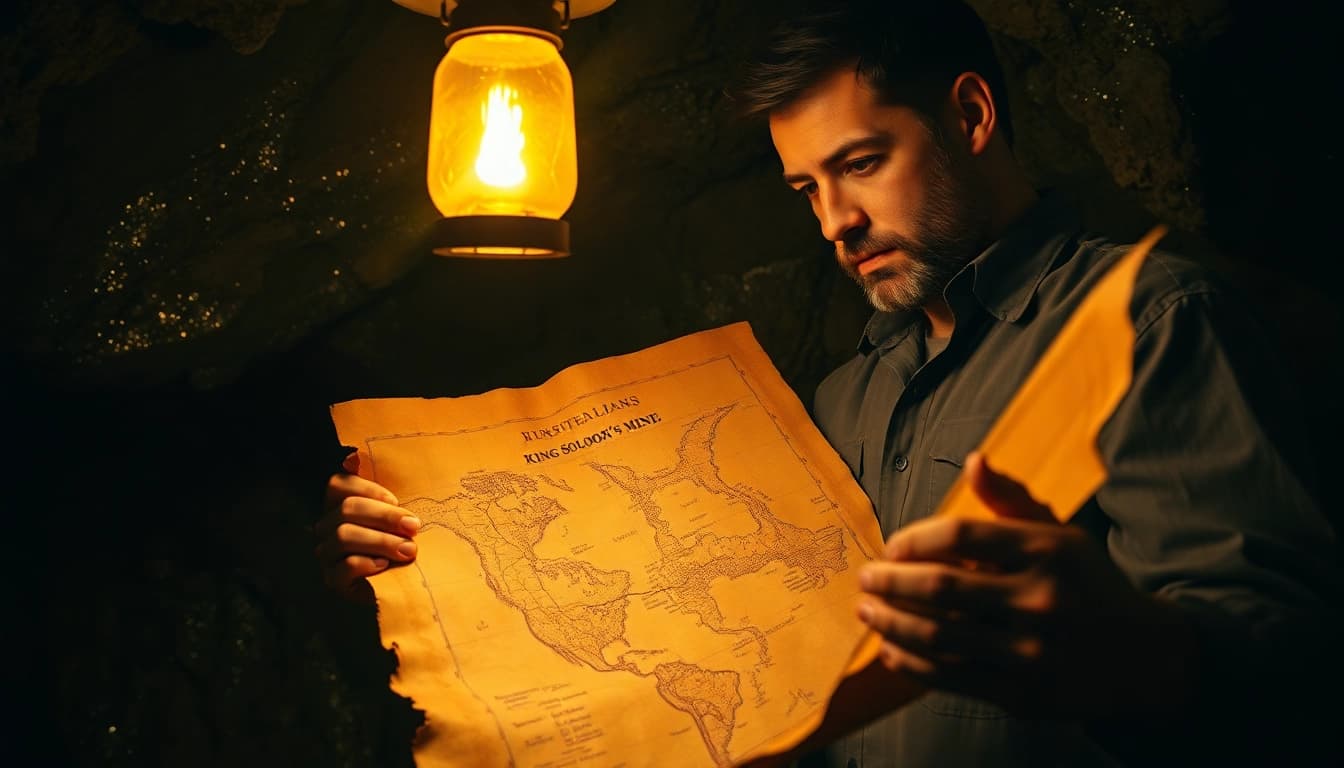
1. Introduction to King Solomon's Mine
King Solomon's Mine is a term that evokes a sense of mystery, adventure, and wealth. It refers to the legendary location believed to be rich in gold and precious minerals, associated with the biblical King Solomon, renowned for his wisdom and wealth. While many have searched for this mine since it was first mentioned in literature, its existence has remained shrouded in folklore. This article explores the rich tapestry of history, cultural legends, and modern exploration techniques related to King Solomon's Mine, providing an insightful look into both its historical significance and its modern implications. For further exploration of the fascinating history surrounding King Solomon's Mine, readers will find a wealth of resources available.
1.1 Historical Significance
The historical significance of King Solomon's Mine extends beyond mere treasure hunting. It raises questions about ancient civilizations, trade routes, and even the economic practices of the times. With roots planted firmly in biblical texts, the mine is often linked to the historical context of the ancient Near East, where precious metals were a sign of power and divine favor.
Archaeological evidence points to extensive mining activities in regions like the Timna Valley in modern-day Israel, interpreted as a possible source of the wealth attributed to King Solomon. Scholars believe that King Solomon's reign marked a high point for trade and cultural exchanges, suggesting that the pursuit of resources like gold and gemstones might have bolstered his kingdom's power and influence.
1.2 Cultural Legends Surrounding the Mine
The myths surrounding King Solomon's Mine have evolved over centuries, influenced by various cultures and narratives. From tales spun in ancient Egypt to those echoing through indigenous African communities, the mine represents more than just material wealth; it symbolizes the human pursuit of knowledge, divinity, and enlightenment.
In folklore, it is often depicted that the mine is guarded by spirits or demons, giving rise to tales of caution and deselection among treasure hunters. This intersection of reality and myth has sparked numerous expeditions, many of which have ended in failure or unfulfilled promises, painting the mine as a proverbial mirage in the desert of human ambition.
1.3 Exploring the Mine's Locations
Various locations have been proposed as potential sites for King Solomon's Mine throughout history. While some believe it to be in the lands of modern-day Ethiopia or South Africa, others speculate about hidden treasures deep within the mountains of the Middle East. Each proposed location comes with its own set of legends and archaeological claims, often based on ancient texts, local folklore, and findings in geology.
Indeed, areas near the Dead Sea, as well as the aforementioned Timna Valley, along with several unexplored caves in southern Africa, continue to attract interest from adventurers and historians alike. Each expedition to these rumored locations offers promises of new insights and discoveries, nurturing the ongoing fascination with King Solomon's Mine.
2. The Legend of King Solomon
2.1 Historical Accounts of King Solomon
King Solomon himself is a historical figure whose legacy transcends scripture to influence various aspects of culture and religion. Told through the lens of biblical texts, particularly the Book of Kings, Solomon is depicted as a ruler imbued with extraordinary wisdom and discernment. This wisdom led to unprecedented prosperity during his reign, making him a figure of intrigue and speculation concerning the sources of his wealth.
Modern historians continue to investigate claims of Solomon’s connection to vast resources, including those found in Tyre and Sidon, which were critical trade points in antiquity. Links to these places contribute significantly to the legend of King Solomon as a king whose riches were as expansive as the trade routes that supported them.
2.2 The Mine's Connection to Wealth and Power
Central to the allure of King Solomon's Mine is its connotation of wealth and power. The idea that a single mine could yield bountiful riches taps into a deep-rooted desire for abundance that resonates with treasure hunters, historians, and even storytellers. Various references from the Old Testament suggest that Solomon's wealth was derived not just from mining but also from trading and tribute received from concurring kingdoms.
This multifaceted approach to wealth is critical for understanding the myths surrounding King Solomon's Mine. It implies that the true riches may be hidden in understanding not just the material wealth, but the broader context of trade, diplomacy, and economic strategies employed by ancient civilizations.
2.3 Interpretation in Literature and Media
The myth of King Solomon's Mine has permeated literature, film, and other media, often depicting the mine as a treasure trove inviting daring adventurers. One of the most notable literary iterations is Sir H. Rider Haggard's novel "King Solomon's Mines," published in 1885, which combines adventure and imperialism in a narrative framework that continues to influence modern portrayals of the mine.
This literary legacy has significant implications, shaping perceptions of exploration, colonial attitudes, and the enduring quest for lost treasures. As stories are reinterpreted through various filters, the alluring image of King Solomon’s Mine continues to evolve, influencing generations of treasure seekers and scholars alike.
3. Modern Exploration Techniques
3.1 Archaeological Methods Used in Discovering King Solomon's Mine
Today’s archaeological methods for uncovering the mysteries surrounding King Solomon's Mine involve a comprehensive mix of traditional excavation techniques alongside advanced technology. Archaeologists employ stratigraphic analysis to assess the layers of earth, carbon dating to evaluate historical timelines, and artifact analysis to uncover the cultural context of any findings.
Regular excavations in regions like the Timna Valley have resulted in significant findings, including ancient mining tools and remnants of production facilities, enhancing our understanding of the mining processes used during Solomon's time. These findings contribute to the scholarly approach to the historical accuracy of the legends associated with King Solomon's Mine.
3.2 Technological Innovations in Mining Exploration
As expeditions into the lore of King Solomon’s Mine evolve, modern technology plays a pivotal role in mining exploration. Innovative techniques such as ground-penetrating radar (GPR) and remote sensing provide greater insight into the geological layers beneath the surface without extensive digging. These methods enhance the ability to identify potential sites of interest, reducing the risk of costly and invasive excavations based on mere speculation.
Furthermore, the rise of data analytics and AI has revolutionized the way data from excavations is interpreted, leading to more informed decision-making about where to dig and research expeditions should head next. Such advances reflect the merging of technology and archaeology, promising a new era of exploration that could finally uncover the secrets of King Solomon's Mine.
3.3 Case Studies of Successful Findings
The pursuit of King Solomon's Mine is marked by numerous expeditions with varying outcomes. Some have uncovered valuable archaeological artifacts that add depth to our understanding of ancient mining operations, while others have yielded little more than tales of disappointment. A notable example is the work of archaeologists in the area known as the "Copper Valley" in Israel, where evidence suggests that this locale may have supported King Solomon's legendary wealth.
These case studies illustrate the intrinsic value of meticulous archaeological practice while providing important educational insights into the historical narratives and cultural legacies surrounding the mine. While the mine itself has not yet been definitively located, the cumulative evidence from various studies contributes significantly to the broader understanding of ancient metallurgy and trade.
4. Challenges Faced by Treasure Hunters
4.1 Navigating the Myths vs. Reality
Treasure hunters seeking King Solomon's Mine often grapple with the contrasting narratives of myth and reality. The age-old stories add layers of complexity, transforming the quest for gold into a more intricate journey through folklore, deceit, and the quest for glory. A significant challenge lies in distinguishing between romanticized myths and concrete evidence regarding mining activities in ancient times.
Many treasure hunters have been seduced by the promise of untold wealth, only to face harsh realities, including complex political landscapes, environmental concerns, and the daunting task of conducting effective searches in rugged terrains. Efforts to synthesize folklore with empirical evidence frequently lead to further exploration and debate regarding King Solomon's Mine.
4.2 Environmental Considerations in Mining Operations
Modern mining operations face severe scrutiny, particularly concerning the environmental impact of extracting resources. The pursuit of King Solomon's Mine is no exception, as treasure hunters and archaeologists must take into account the fragile ecosystems surrounding potential sites. The historical mining methods, though not extensively documented, likely involved minimal disruption to natural habitats compared to today’s large-scale mining operations.
Ethical excavation demands that modern explorers prioritize sustainability, ensuring that the search for treasures does not come at the cost of environmental degradation. Responsible mining practices encompass minimal excavation and careful monitoring of impacted areas, establishing a new paradigm for treasure hunting that honors both the past and the planet.
4.3 Legal Implications and Ownership Disputes
The legalities surrounding the search for King Solomon's Mine are complex and fraught with disputes. Various countries lay claim to the folklore and significant sites tied to ancient mining, meaning treasure seekers often navigate a labyrinth of ownership rights and archaeological protections. Local governments, indigenous populations, and legal structures all play a crucial role in determining how and whether to explore regions tied to the mine.
As such, adherence to international archaeological protocols is essential for preventing exploitation and ensuring that any discoveries contribute properly to the historical context. This ensures collaboration with local communities and respects the cultural importance of their heritage while balancing the excitement of discovery with legal obligations and ethical considerations.
5. Future of King Solomon's Mine
5.1 Prospects for New Discoveries
The quest for King Solomon's Mine continues to captivate the imagination of adventurers and scholars alike, thanks to ongoing technological innovations and archaeological advancements. With each passing year, new techniques improve the understanding of ancient practices, making it likely that unforeseen discoveries await in the sands of time.
As renewed interest in archaeology emerges globally, the intersection of science, technology, and history holds the prospect of uncovering not just valuable resources, but greater insights into the cultural practices and socio-economic structures of ancient civilizations associated with King Solomon’s reign and beyond.
5.2 Impact on Local Communities
The exploration of King Solomon's Mine has broader implications for local communities, often impacting their economic viability and cultural heritage. As archaeological ventures progress, there is potential for sustainable tourism that draws on the lore of the mine, which can be economically beneficial for local residents.
However, it is imperative that local communities play a central role in any ventures, not only to ensure that they receive benefits from tourism and archaeological work, but also to protect their stories, traditions, and cultural legacies associated with King Solomon's Mine. Respectful engagement fosters a partnership that respects indigenous rights and enhances the adventure surrounding this legendary quest.
5.3 Preserving the Heritage of King Solomon's Mine
The legacy of King Solomon's Mine should be preserved not just as a historical site, but as a rich tapestry interwoven with lore, culture, and archaeological significance. Education, conservation measures, and community engagement are pivotal in maintaining the integrity of the site and its stories.
By promoting the importance of cultural heritage, both internationally and locally, there’s potential for a lasting appreciation of the myths and realities that make King Solomon's Mine a symbol of humanity's enduring quest for knowledge, wealth, and understanding. Future explorations and studies must proceed with care, ensuring that any findings add to the rich legacy, rather than detract from it.