Understanding Fly Fishing Line Types
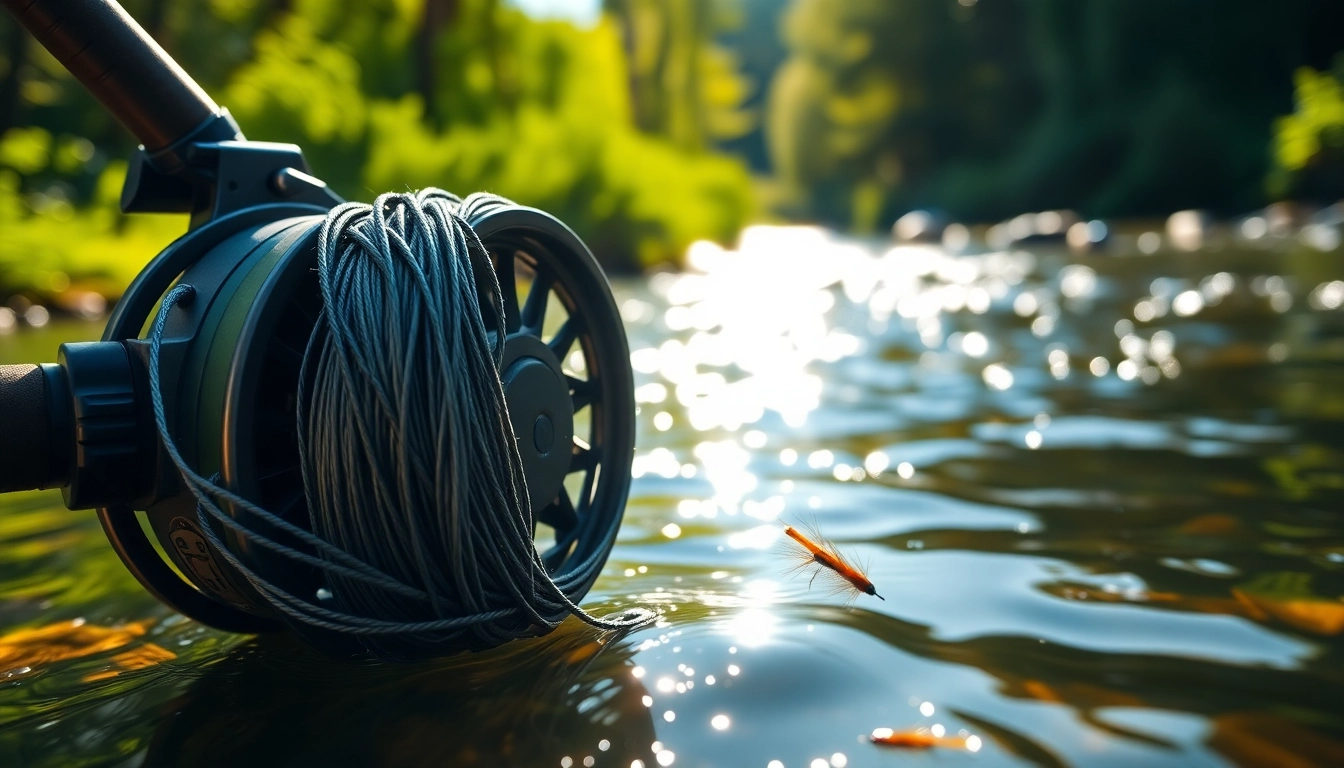
When it comes to fly fishing, selecting the appropriate Fly fishing line is essential for enhancing your experience and success on the water. Understanding the different types can significantly influence your technique and outcomes. Here, we’ll dive deep into the various fly line types that cater to different fishing scenarios.
Floating vs. Sinking Lines
One of the primary distinctions in fly fishing lines is whether they float or sink. Floating lines are the most common and are ideal for dry fly fishing. They are specifically designed to stay on the water's surface, allowing anglers to present their flies naturally. Some floating lines have a textured surface that helps improve casting distance and accuracy.
Sinking lines, on the other hand, are useful for reaching deeper water levels. These lines come in various sinking rates, designated as hover, intermediate, and fast sinking. Choosing the right sinking line depends on the type of fish and the depth at which they reside. For instance, big game fish such as pike or bass may be found at greater depths, necessitating a sinking line to reach them effectively.
Weight Forward vs. Double Taper Lines
The design of fly lines also varies significantly, with weight-forward (WF) and double taper (DT) lines being two popular options. Weight-forward lines have a concentrated weight distribution at the front, making them ideal for distance casting and presenting heavier flies. They excel in windy conditions and are generally more versatile.
On the other hand, double taper lines have an equal weight distribution throughout the line and taper off towards both ends, which provides smoother presentation and delicate casts, particularly in close-range scenarios where precision is key. This design is particularly beneficial for anglers who focus on light flies for small streams. While DT lines are excellent for specific conditions, many anglers find the versatility of WF lines more beneficial overall.
Choosing the Right Line Weight
Line weight is another vital factor that influences performance and casting efficiency. Fly lines are categorized into weights, typically ranging from 1 to 12. The weight corresponds to the fish species targeted and the rod specifications. For instance, if your rod is rated for a 5-weight line, using a 5-weight line ensures optimal performance.
Beginners should normally start with a 5 or 6-weight line as this provides versatility for various fishing conditions, including freshwater and small streams. Expert anglers often recommend testing different weights to discover personal preferences and improve casting technique.
Essential Features of Fly Fishing Lines
Beyond basic types, several essential features characterize fly fishing lines. Understanding these elements can enhance your effectiveness on the water significantly.
Material Considerations
Fly lines are made from various materials, typically PVC or polyurethane. These materials affect the line's buoyancy, durability, and overall performance. PVC lines are more affordable and suitable for casual anglers, while polyurethane lines, although pricier, offer superior flexibility and longevity.
Investing in quality materials not only enhances line performance but also provides resistance to abrasion and UV damage. This is crucial for those who often fish in challenging environments, where rocks, vegetation, and sun exposure can degrade lesser materials over time.
Line Taper Styles
The taper of a fly line plays a critical role in how the line handles on the water. Taper styles can be broken down into several categories, including weight forward, double taper, level, and shooting heads. Each taper style has its advantages, depending on the fishing technique employed.
Weight forward tapers help in casting distance, while double tapers excel at gentle presentations. Level lines are perhaps the least versatile but are often used for specialized fishing situations, such as in Euro nymphing. Lastly, shooting heads are perfect for long-distance casting when combined with running lines.
Durability and Environmental Factors
When choosing a fly line, consider its construction regarding longevity and environmental resilience. Many modern lines are designed to withstand harsh conditions, whether they are used in warm freshwater lakes or cold seawater. Look for lines with coatings that resist dirt and debris buildup, which can affect performance.
These durability factors are essential since fishing environments can vary greatly, impacting the health of the line. Proper selection and regular maintenance can extend the life of your line significantly, enabling you to spend more time fishing and less time replacing gear.
Matching Fly Fishing Lines with Rods
Effective fly fishing is about harmony between your line, rod, and other gear. Proper matching is crucial for achieving desired casting techniques and effectively targeting specific species.
Understanding Rod Ratings
Each fly rod comes with a designated weight rating that corresponds to the weight of the line it should use. This rating greatly influences how well your line performs. A misalignment between the line and rod can lead to inefficient casting, poor distance, and increased strain on the gear.
It’s essential to consult manufacturer specifications and guidelines when purchasing gear. Many manufacturers also provide recommendations for the best line combinations for their rods, aiding your selection process.
Balancing Line and Rod Action
In addition to rod ratings, understanding rod action—whether it’s slow, medium, or fast—can guide your choice of line. A fast-action rod, which bends mostly at the tip, typically benefits from a heavier line that can propel it during powerful casts. Conversely, slow-action rods that flex throughout their length commonly perform better with lighter lines.
Anglers must find balance; overloading a rod can detract from precision and compromise the structural integrity of the equipment. The right combination increases the likelihood of success while promoting a more enjoyable fishing experience.
Compatibility with Fly Sizes
The size of flies used also impacts line selection. Larger flies, such as streamers, require heavier lines for proper casting, while delicate, small flies often necessitate lighter lines for accurate presentations. Understanding the intricacies of fly size and line compatibility is crucial for effective angling. Incorrect pairings can lead to undesirable performances.
Advanced Techniques for Using Fly Fishing Lines
Once you have the essentials down, mastering advanced techniques can elevate your angling proficiency and success rates.
Line Management and Maintenance
Proper line management is often overlooked, yet it critically affects efficiency and durability in fly fishing. Start with organized line storage to prevent knots and tangles. A clean, well-kept line enhances casting and sensitivity, allowing for better strikes and fish detection.
Regular maintenance, such as cleaning your line with soap and water, can prolong its lifespan. Always inspect the line for abrasions that could impact performance, especially when fishing in rough environments.
Casting Techniques with Different Lines
Each type of fly line may require distinct casting techniques. For instance, weight-forward lines generally benefit from a roll cast for short distances, while double taper lines offer optimal performance using overhead casts, allowing for more control. Practicing different casts with each line type can refine your skills dramatically.
Moreover, adapting your casting technique based on conditions—such as wind, current, and target species—can further enhance your effectiveness on the water. Explore and experiment with various techniques tailored to the line and environmental situation.
Optimizing Line Performance in Various Conditions
Environmental factors like water temperature, wind, and current impact the performance of your fly fishing line. Awareness of these conditions enables you to make informed decisions regarding your line choice and fishing techniques.
For example, in windy environments, heavier lines can help maintain control, while lighter lines may struggle. Similarly, line types optimized for cold water might differ from those suited for warmer waters. Being adaptable and responsive to such nuances is key to successful fly fishing.
Common Mistakes and Solutions
Even skilled anglers can make mistakes when choosing and using fly lines. Understanding common pitfalls can help you avoid them and improve your overall efficiency.
Incorrect Line Weight Selection
Beginners often misjudge the necessary line weight, leading to issues such as poor casting performance. Always refer to your rod’s weight rating to ensure proper alignment and performance. When in doubt, consult resources or experienced fishermen to determine appropriate line weight. Making the right choice is crucial for casting and technique efficacy.
Poor Line Care Practices
Neglecting fly line maintenance can lead to reduced casting efficiency and durability. Ensure to clean your line after each outing, particularly if fishing in waters with algae or other debris, to prolong its lifespan. Moreover, invest in line conditioner products that can keep the coating intact and improve overall slickness and performance.
Mismatched Gear and Its Effects
Using mismatched gear can diminish effectiveness when fly fishing. This includes not only line and rod mismatches but also incorrect leader and tippet selections. Assess gear compatibility regularly to ensure optimal performance.
FAQs
What weight of fly fishing line should I start with?
Beginners should typically start with a weight forward line corresponding to their rod's rating, usually between 4-6 weight for versatility.
How often should I replace my fly fishing line?
Replace your fly fishing line every 1-2 years, or sooner if you notice damage, fading, or reduced performance.
Can I use my fly fishing line in saltwater?
Yes, but ensure you use a line specifically rated for saltwater as freshwater lines may degrade more quickly in saltwater environments.
What is the best way to clean fly fishing line?
Use a mild soap solution and a soft cloth to clean your fly fishing line, rinsing thoroughly with fresh water to remove any soap residue.
How do I store my fly fishing line?
Store fly fishing lines in a cool, dry place, ideally on a reel or in a protective case to avoid tangles and UV damage.