Understanding Off-Road Motorcycles
What Defines an Off-Road Motorcycle?
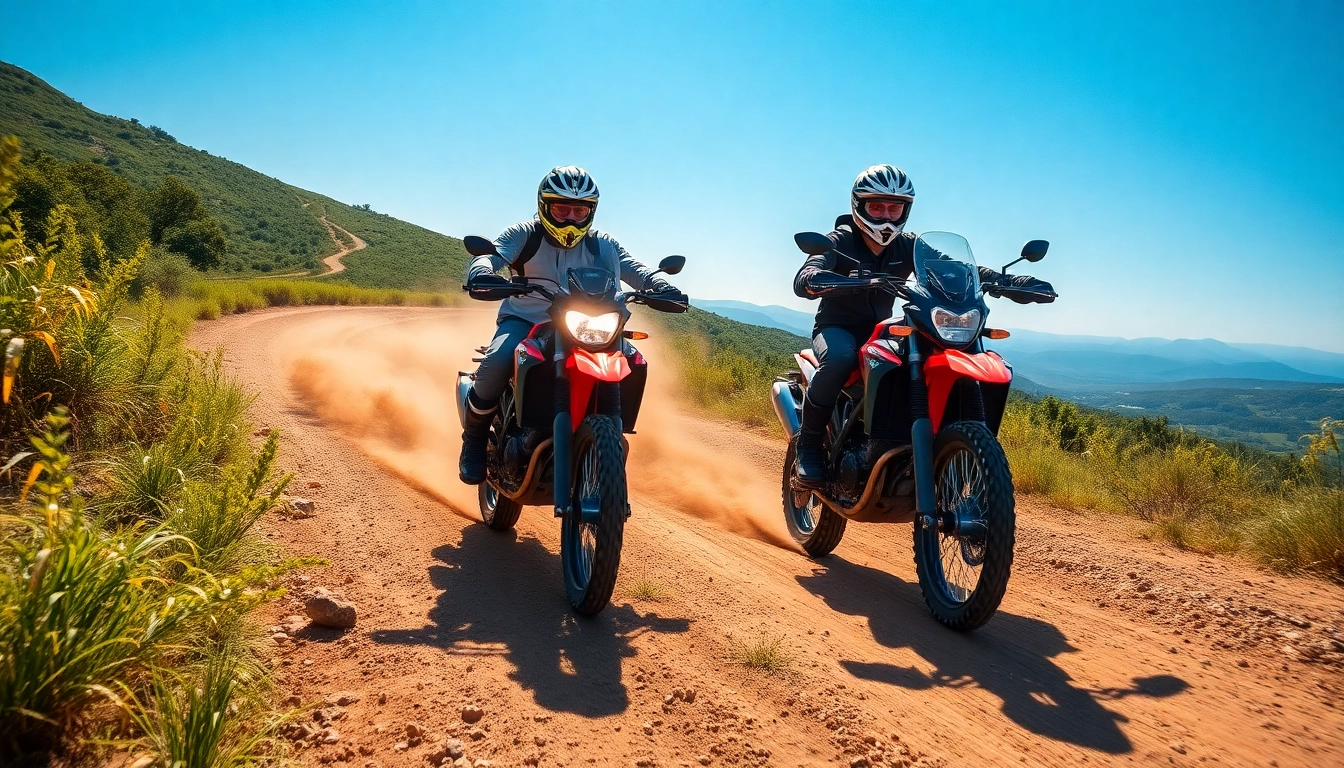
Off-road motorcycles are specifically designed for trails, rough terrains, and unpaved environments. These bikes exhibit remarkable versatility, allowing riders to navigate through challenging landscapes such as dirt trails, rocky roads, and sandy dunes. Unlike standard motorcycles, off-road bikes prioritize lightweight construction, enhanced suspension systems, and aggressive tread designs to facilitate traction and control on unpredictable surfaces. Essentially, they are built for adventure, offering the thrill of exploration away from conventional roads.
Key Features of Off-Road Bikes
The defining characteristics of off-road motorcycles include:
- Suspension Systems: Off-road motorcycles often come equipped with long-travel suspension systems that absorb shocks and provide stability on uneven terrain. This feature is crucial for ensuring rider comfort during extended adventures.
- Durable Tires: The tires on off-road motorcycles feature deeper treads to enhance grip on soft, loose, or uneven surfaces. Such tires are adept at handling mud, sand, and gravel.
- Lightweight Frames: A lighter frame allows for better maneuverability. This is especially beneficial during steep climbs or when navigating obstacles.
- Powerful Engine: Off-road bikes typically have powerful engines that can deliver higher torque at low RPMs, essential for climbing hills and traversing difficult terrains.
- High Ground Clearance: Increased ground clearance minimizes the risk of the bike bottoming out when riding over rocks or logs, helping to avoid damage to the undercarriage.
Differences Between Off-Road and On-Road Motorcycles
While both types of motorcycles share some similarities, the primary differences lie in their intended uses and design specifications:
- Design Purpose: Off-road motorcycles are designed for rugged terrains, while on-road bikes are optimized for smooth, paved surfaces.
- Weight Distribution: Off-road bikes usually maintain a higher center of gravity to handle rough terrains, while on-road bikes have a lower center for stability at high speeds.
- Braking Systems: Generally, off-road models have more robust braking systems to deal with diverse and often unpredictable conditions.
- Aerodynamics: On-road bikes focus on aerodynamics to minimize drag during high-speed travel, which is less critical in off-road environments.
Factors to Consider When Choosing
Terrain Types and Bike Compatibility
Choosing the right off-road motorcycle significantly depends on the terrain you plan to ride on. Different terrains present various challenges, such as:
- Dirt Trails: Ideal for standard off-road bikes with intermediate tires to navigate without getting stuck.
- Rocky Trails: A model designed with high ground clearance and protective features is essential to avoid damage from sharp rocks.
- Sandy Dunes: Bikes with wider tires are better suited for sand, providing better flotation and control.
- Wooded Areas: A combination of agility and power is crucial here, making a lightweight bike with nimble handling favorable.
Rider Experience Level and Comfort
Your experience level plays a pivotal role in selecting the appropriate off-road motorcycle. Beginners may benefit more from lighter models with lower power outputs, ensuring ease of handling and control. Athletes with advanced skills might prefer more powerful bikes that provide excitement and greater performance. Consider taking the time to test ride different models to determine comfort levels and how responsive they feel when navigating diverse surfaces.
Cost and Maintenance Considerations
Understanding the overall cost of an off-road motorcycle is essential for making a well-informed decision. Prices vary on features, brands, and performances. In addition to the purchase price, consider:
- Insurance Costs: Off-road motorcycles often require specific insurance plans; be sure to calculate this in your budget.
- Maintenance and Repairs: Regular maintenance is crucial for optimal performance. Some models may require more attention than others.
- Fuel Efficiency: Although off-road bikes provide incredible experiences, they may lack fuel efficiency compared to on-road models.
Top Off-Road Motorcycle Models
Best Beginner-Friendly Models
For beginner off-road riders, it's crucial to have bikes that are easy to handle while still offering necessary performance features. Models such as lightweight dirt bikes can provide adequate power without overwhelming new riders. Some beginner-friendly models are:
- ...
- ...
- ...
- ...
These motorcycles are designed with stable handling and lower seat heights, making them less intimidating and more controllable.
High-Performance Options for Experienced Riders
Experienced riders may seek advanced features and higher performance options. These motorcycles often prioritize power, speed, and agility, designed to tackle more technical terrains. Models that stand out in this category typically feature:
- Advanced suspension systems for extreme dampening and adjustability.
- Powerful engines capable of handling steep inclines and fast trails.
- High-tech navigation tools to assist in complex routes and trails.
Tips for Comparing Models
When actively comparing different motorcycle models, consider the following tips:
- Test Rides: Whenever possible, take bikes for a spin in a controlled environment to assess handling, comfort, and power.
- Research Reviews: Look into user reviews and expert analyses to gauge reliability and performance under different conditions.
- Consult with Experts: Don’t hesitate to ask questions during your motorcycle dealership visits; experienced sales representatives can provide invaluable insights.
Preparing for Your Off-Road Journey
Essential Gear and Safety Equipment
Prior to embarking on your off-road journey, ensure that you are equipped with appropriate gear for your safety and comfort. Essential equipment includes:
- Helmet: A DOT-approved helmet is non-negotiable for safety.
- Protective Clothing: Wear insulated, padded jackets and pants made from protective materials.
- Gloves: Ensuring a good grip on the handlebars is critical; choose gloves that fit snugly.
- Boots: Sturdy off-road boots provide protection and stability.
Pre-Ride Inspection Checklist
A thorough pre-ride inspection can prevent mechanical failures and ensure a smooth ride. Check the following components:
- Tires for appropriate air pressure and tread wear.
- Brakes for responsiveness and fluid levels.
- Oil levels and general engine function.
- Lights and signals to ensure visibility and communication with other riders.
Navigating and Planning Your Route
Explore new adventures by planning your routes meticulously. Some strategies to consider include:
- Use apps or GPS devices designed specifically for outdoor navigation, which can track routes and display terrain maps.
- Research trails on local forums to gather insights about conditions and experiences from other riders.
- Always carry a physical map in case GPS devices fail due to low batteries or signal loss.
Tips for a Safe and Enjoyable Off-Road Experience
Riding Techniques for Different Terrains
Mastering various riding techniques based on terrain types will ensure greater control and safety during your adventures:
- Sand: Shift weight towards the rear of the motorcycle and maintain momentum to prevent sinking.
- Rocky Areas: Stand on the pegs with a slight bend in knees; this helps absorb shocks from uneven surfaces.
- Mud: Maintain a smooth throttle and avoid sudden acceleration as it can cause the bike to slip.
Staying Connected: GPS and Communication Tools
Staying connected with your riding companions and having access to navigation tools is vital during off-road adventures. Consider the following technology:
- Rider Communication Systems: Helmet-mounted intercoms enable riders to communicate easily.
- Smartphones: Use mobile apps designed for off-road navigation that allow for real-time updates.
- Two-way Radios: These can serve as a reliable means of communication in areas with poor cellular coverage.
Community and Resources for Off-Road Enthusiasts
Engaging with the riding community can enhance your learning experience and open doors to new connections. Make an effort to join local riding clubs or online forums. Participating in group rides, workshops, and events can provide insights into advanced riding techniques, maintenance tips, and gear recommendations. Additionally, communities often create a network of support where members can share their knowledge, experiences, and riding adventures.
To dive deeper into the exhilarating world of off-road motorcycles and see how they can transform your riding adventures, visit https://relevance.com.ua.