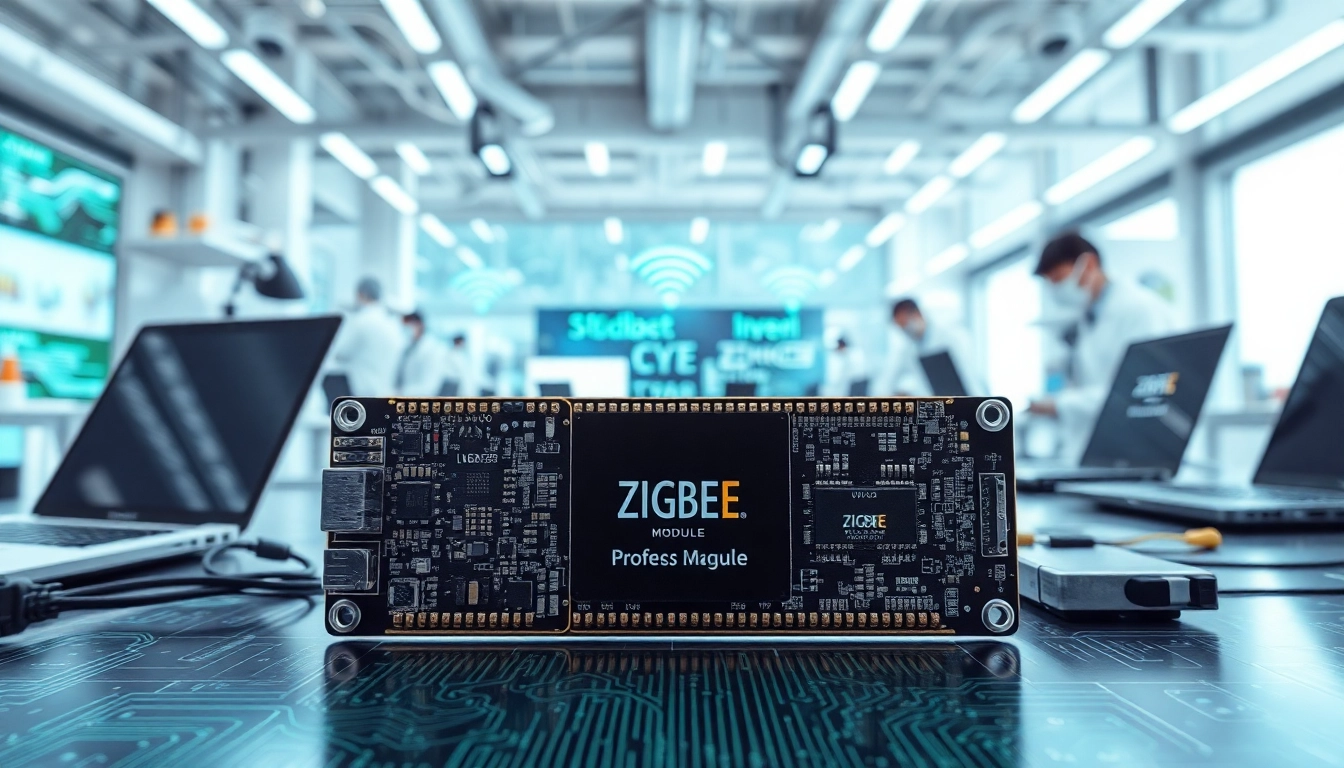
Understanding Zigbee Modules
What is a Zigbee Module?
A Zigbee module is a specialized device that employs the Zigbee protocol for wireless communication. Zigbee is an open standard based on the IEEE 802.15.4 specification and primarily designed for low-power, low-data-rate applications. Zigbee modules are widely used in a variety of electronic devices due to their ability to operate in environments where long-range communication and extended battery life are essential. These modules facilitate communication between various devices, allowing them to form networks that can enhance IoT functionalities in smart homes, healthcare, industrial automation, and environmental monitoring.
Key Features of Zigbee Modules
Zigbee modules come with distinct features that make them suitable for diverse applications:
- Low Power Consumption: Zigbee modules are designed to operate effectively on minimal power, extending battery life in portable devices.
- Mesh Networking: They support mesh networking, allowing devices to communicate with one another over multiple hops, thus enhancing range and reliability.
- Secure Communications: Zigbee incorporates robust security protocols, including AES-128 encryption, to ensure secure data transmission.
- Interoperability: Zigbee protocol allows for seamless communication between devices from different manufacturers.
- Scalability: Zigbee networks can support hundreds of devices, making it easy to expand systems as needed.
Applications of Zigbee Modules in Modern Technology
Zigbee modules are extensively utilized in various sectors due to their unique capabilities. Some key applications include:
- Smart Home Automation: Devices such as smart lights, thermostats, and security systems commonly use Zigbee modules to enhance home automation.
- Industrial Automation: Zigbee's reliability and scalability make it ideal for factory automation, including machinery and sensor networks.
- Smart Agriculture: Through sensors powered by Zigbee, farmers can monitor soil moisture and climate conditions, improving crop management.
- Healthcare: Zigbee modules are integral to medical monitoring devices, allowing healthcare providers to track patient vitals remotely.
- Environmental Monitoring: Applications include weather stations and pollution monitoring systems that utilize Zigbee for real-time data transmission.
Benefits of Using Zigbee Modules
Low Power Consumption
One of the standout advantages of Zigbee modules is their low power consumption. The protocol is designed to minimize energy usage, which is critical for battery-operated devices. This feature enables devices to function effectively for extended periods, often lasting from several months to years on a single battery charge, thus reducing maintenance costs and operational downtime.
Wide Range of Connectivity
Zigbee modules support mesh networking, which allows devices to communicate with each other over longer distances than would be possible with point-to-point communication. This capability is essential for building extensive networks without the need for additional infrastructure. Furthermore, the ability to relink through multiple devices enhances the overall robustness of the system.
Robust Security Features
Security is a critical concern in any wireless communication. Zigbee technology employs secure communication standards, including AES-128 encryption and device authentication protocols. This heightened security ensures that sensitive data transmitted within the network remains protected from unauthorized access, making Zigbee a preferred choice for applications in sensitive environments, such as healthcare and finance.
Choosing the Right Zigbee Module for Your Project
Evaluating Your Specific Needs
When selecting a Zigbee module, it's essential to assess the specific needs of your project. Consider factors such as:
- Range: Determine how far apart the devices will be situated.
- Power requirements: Evaluate the acceptable battery life and power constraints.
- Data transmission needs: Understand the amount of data that will be transmitted and the frequency of transmission.
- Environmental conditions: Identify whether the devices will operate indoors, outdoors, in extreme temperatures, or in humid environments.
Comparing Different Zigbee Module Brands
Not all Zigbee modules are created equal, and evaluating different brands can lead to better project outcomes. When comparing Zigbee modules, look for:
- Compatibility with existing systems and other protocols.
- Reviews and case studies from other customers highlighting performance metrics.
- Support and documentation provided by the manufacturer, including technical specifications and troubleshooting resources.
- Warranty and after-sales support that ensures long-term reliability.
Cost vs. Features: Making the Right Balance
Budget constraints often play a significant role in choosing technologies. While cheaper Zigbee modules may seem appealing, it's crucial to consider the trade-offs in performance, reliability, and features. Ensure that the selected module provides a balance between cost-effectiveness and the essential features required for your application. Budgeting for the right technology will often pay off in improved function and durability.
Implementing Zigbee Modules in Your Systems
Integrating with Existing Technology
Integrating Zigbee modules into existing systems involves careful planning and execution. Ensure compatibility with current devices and networks. It's beneficial to utilize development tools and software development kits (SDKs) provided by Zigbee module manufacturers to facilitate compatibility with both software and hardware throughout the integration process.
Best Practices for Installation
Proper installation of Zigbee modules is crucial for optimal performance. Best practices include:
- Following manufacturer installation guidelines closely for wiring and configuration setups.
- Testing connections systematically to identify potential problems before the full system deployment.
- Ensuring optimal placement of devices to maintain connectivity and minimize interference.
- Documenting the installation process to aid future maintenance and upgrades.
Testing and Troubleshooting Your Module
Once installed, thorough testing is vital to ensure that Zigbee modules operate seamlessly within the network. Steps to consider include:
- Conducting range testing to ensure all devices maintain connections within the desired operational area.
- Verifying data integrity by analyzing the information transmitted to ensure it meets quality standards.
- Monitoring network health and performance using diagnostic tools to quickly identify and rectify issues.
The Future of Zigbee Technology
Emerging Trends in Zigbee Applications
The future of Zigbee technology looks promising due to increasing demands for interconnected devices. Emerging trends include:
- Widespread adoption in smart cities, facilitating solutions for energy management, traffic control, and public safety through connected devices.
- The integration of Zigbee with emerging technologies such as AI, enhancing data analytics for smarter decision-making in automation.
- Expansion in the healthcare sector, particularly with telemedicine and remote patient monitoring, benefiting from reliable Zigbee-based communication.
Challenges and Opportunities
While Zigbee offers many benefits, it faces challenges such as:
- Market Competition: As IoT technologies evolve, Zigbee must compete with alternatives such as Bluetooth and Wi-Fi, which may offer similar or extended functionalities.
- Interoperability Issues: Ensuring devices from multiple manufacturers work together smoothly remains a challenge that needs addressing for broader adoption.
Despite these challenges, opportunities abound, especially for manufacturers and developers who innovate and push the technology's boundaries. Investing in research and development can lead to advanced applications and improved standards.
Staying Ahead in the Zigbee Market
To remain competitive in the Zigbee market, businesses should focus on:
- Continual advancement in technology through R&D to enhance product offerings and competitive advantage.
- Engagement with professional communities and industry standards organizations to keep abreast of regulatory updates and best practices.
- Investment in customer education to drive informed decision-making and adoption of Zigbee technologies.