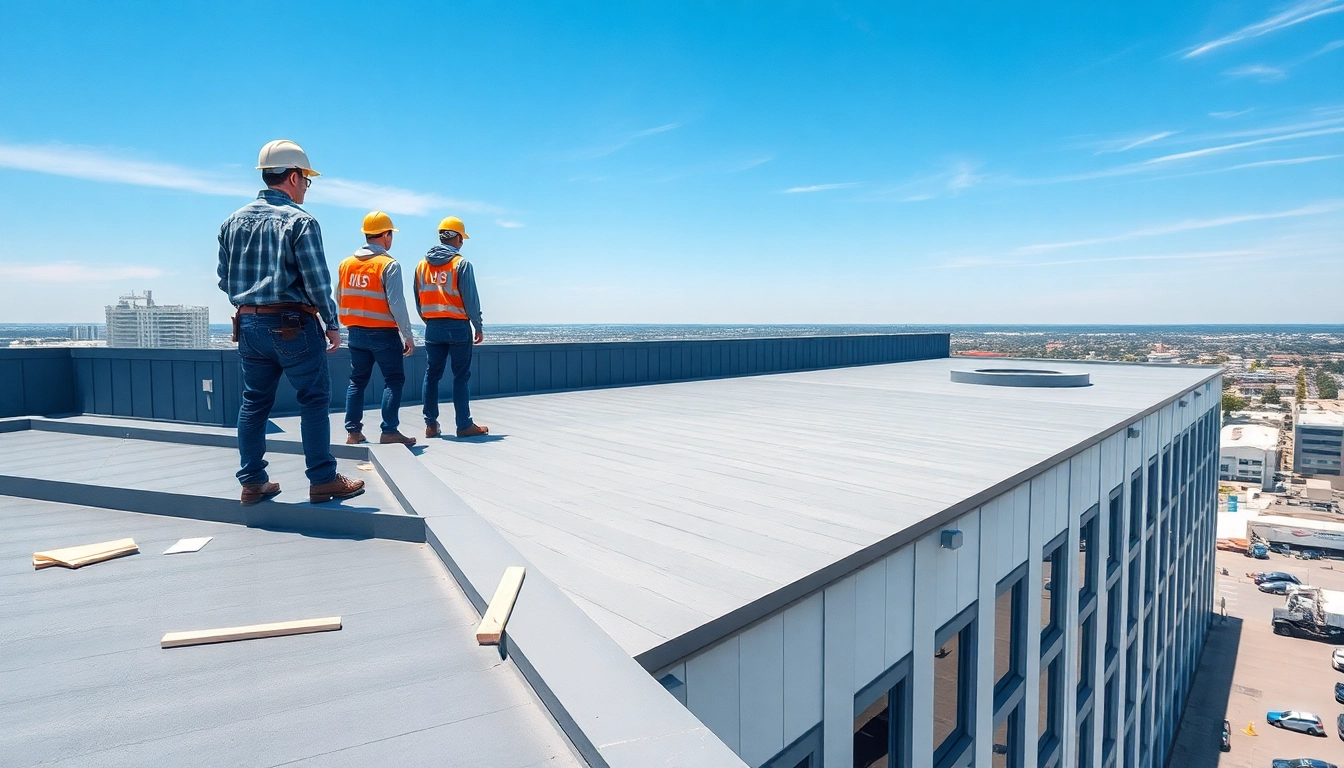
Understanding Commercial Roofing Services
Definition and Importance
Commercial roofing services encompass a wide range of specialized solutions designed for businesses, ensuring their roofs are not only functional but also efficient and durable. Unlike residential roofing, commercial roofing projects often involve larger structures, various types of roofing materials, and specific requirements that cater to different business operations. The importance of robust commercial roofing cannot be overstated; it protects assets, enhances aesthetic appeal, and significantly contributes to energy efficiency, thereby influencing overall operational costs.
The right roofing system can provide a structural advantage, enhancing the longevity of the building. A durable roof safeguards against weather elements and minimizes potential damage to the interior, thereby maintaining the value of the property. Thus, investing in high-quality commercial roofing services is crucial for business sustainability.
Types of Commercial Roofing Services
Various types of commercial roofing services cater to the unique needs of businesses, each with its own set of materials and techniques. Here are several common types:
- Built-Up Roofing (BUR): A traditional type of roofing made from layers of asphalt and felt, BUR is known for its reliability and long lifespan, making it ideal for flat roofs.
- Modified Bitumen Roofing: An evolution of BUR, this system involves asphalt and polymers, enhancing its durability and flexibility, suitable for low-slope applications.
- Single-Ply Membrane Roofing: Systems like TPO (Thermoplastic Olefin) and EPDM (Ethylene Propylene Diene Monomer) are lightweight, energy-efficient, and easy to install, making them popular choices for commercial buildings.
- Metal Roofing: Known for its strength and longevity, metal roofing is resistant to various weather conditions and available in multiple styles and finishes.
- Roof Coatings: These extend the life of an existing roof, providing protective layers that enhance reflective properties, which can lower energy costs.
Benefits of Professional Roofing Services
Engaging professional roofing services provides numerous advantages that contribute to both immediate needs and long-term sustainability of commercial roofs. Some key benefits include:
- Expertise and Experience: Qualified professionals possess the necessary skills and knowledge to assess and address unique roofing challenges effectively, ensuring quality work.
- Quality Materials: Access to high-grade materials not only enhances roof durability but also boosts energy efficiency, ultimately saving costs on energy bills.
- Warranty and Support: Professional services often come with warranties, offering peace of mind and additional protection against unforeseen issues.
- Compliance and Safety: Professionals ensure that all roofing work adheres to building codes and safety regulations, mitigating risks related to compliance failures.
Choosing the Right Commercial Roofing Services
Key Factors to Consider
Selecting the right commercial roofing services involves careful evaluation of multiple factors, ensuring the chosen provider meets specific criteria that align with the business’s needs. Consider the following:
- Experience and Expertise: Check the provider's qualifications, experience, and proficiency in handling commercial projects. A well-established company has a proven track record.
- Range of Services: Ensure that the company offers a full spectrum of roofing services, from installation to maintenance and repair.
- Insurance and Licensing: Verify that the contractor is properly licensed and carries adequate insurance to protect against potential liabilities.
- References and Reviews: Seek out customer testimonials and reviews to gauge the quality of service and customer satisfaction levels.
Evaluating Service Providers
Once you've identified potential roofing service providers, evaluating them thoroughly is essential to ensure you make the best choice. Here are some steps to follow:
- Request Proposals: Obtain detailed proposals from at least three contractors, allowing for a direct comparison of costs, materials, timelines, and service offerings.
- Meet with Contractors: Schedule meetings to discuss project execution, ask questions, and establish rapport with the contractors, which can be indicative of future communication.
- Examine Past Projects: Review portfolios showcasing previous work similar to your roofing requirements, ensuring that they have relevant experience.
- Assess Warranty Options: Compare warranty offerings, including materials and workmanship, as a robust warranty indicates confidence in service quality.
Questions to Ask Before Hiring
Engaging a commercial roofing service is a significant investment. To protect this investment, asking the right questions can help narrow down options:
- What is your experience with commercial roofing projects in my industry?
- Can you provide a written estimate, breaking down costs and materials?
- What safety protocols do you have in place to protect your workers and my property?
- How will you handle unexpected issues that may arise during the project?
Common Challenges in Commercial Roofing Services
Weather-Related Issues
Weather conditions significantly influence commercial roofing service requirements. Extreme temperatures, heavy rainfall, and high winds can affect installation, maintenance, and lifespan. Here are some strategies to mitigate weather-related challenges:
- Timely Inspections: Regular inspections before and after severe weather events help identify potential vulnerabilities.
- Choose Resilient Materials: Opt for roofing materials designed to withstand local climate conditions, ensuring longevity and durability.
Maintenance and Repair Challenges
With time, even roofs that are well-constructed may require maintenance or repairs. Common challenges include leaks, mechanical wear, and damage from debris. To address these effectively:
- Establish a Routine Maintenance Schedule: This includes regular inspections, cleaning debris, and addressing minor wear and tear before they escalate into larger issues.
- Develop a Repair Plan: Work with professionals to outline a clear plan to address anticipated repairs and upkeep over the life of the roof.
Budget Constraints and Solutions
Budget limitations can create challenges in maintaining commercial roofing services. However, several approaches can help manage costs while ensuring quality:
- Prioritize Maintenance: Emphasizing preventative maintenance can minimize substantial expenses caused by neglect and avoid costly emergency repairs.
- Explore Financing Options: Many roofing contractors offer financing solutions, allowing for manageable payments over time without compromising quality.
Innovations in Commercial Roofing Services
Latest Technologies and Materials
Innovation is constant within the commercial roofing industry, with advancements leading to new materials and technologies that improve functionality and efficiency. Examples include:
- Reflective Roof Coatings: These coatings enhance energy efficiency by reflecting sunlight and reducing heat absorption, lowering cooling costs.
- Smart Roof Technology: Integrated sensors in roofing systems can provide real-time data on structural integrity, helping to anticipate maintenance needs.
Environmentally Friendly Options
With an increasing focus on sustainability, environmentally friendly roofing solutions are rapidly gaining popularity. Some choices include:
- Green Roofing: This involves installing vegetation atop roofs, providing insulation and reducing stormwater runoff.
- Recycled Materials: Many modern roofing systems utilize recycled content, helping reduce environmental impact while maintaining quality options.
Industry Trends to Watch
The commercial roofing landscape is continuously evolving. Some trends that businesses should keep an eye on include:
- Increased Use of Drones: Drones are transforming the inspection process, providing detailed aerial views and improving safety during evaluations.
- Integration of Renewable Energy: Solar panel installations on commercial roofs are becoming more common, allowing buildings to generate their own electricity.
Maximizing the Longevity of Commercial Roofing Services
Regular Maintenance Tips
To extend the lifespan of a commercial roof, routine maintenance is essential. Here are some proactive measures:
- Conduct Regular Inspections: Inspections should occur at least twice a year and after adverse weather events.
- Clear Debris: Regularly remove branches, leaves, and other debris from the roof to prevent water pooling and potential leaks.
Signs Your Roof Needs Replacement
Recognizing when a roof needs replacement can save time and expense. Key signs include:
- Visible water damage or leaks within the building.
- Curled or cracked roofing material.
- Excessive granule loss from shingles or membrane.
Understanding Warranties and Lifespans
Understanding the intricacies of roofing warranties and material lifespans is critical for asset longevity. Consider these aspects:
- Manufacturer's Warranty: This typically covers defects in materials, while the lifespan can range widely depending on the material type and installation.
- Workmanship Warranty: Usually provided by the roofing contractor, it covers the quality of installation, ensuring peace of mind for the building owner.