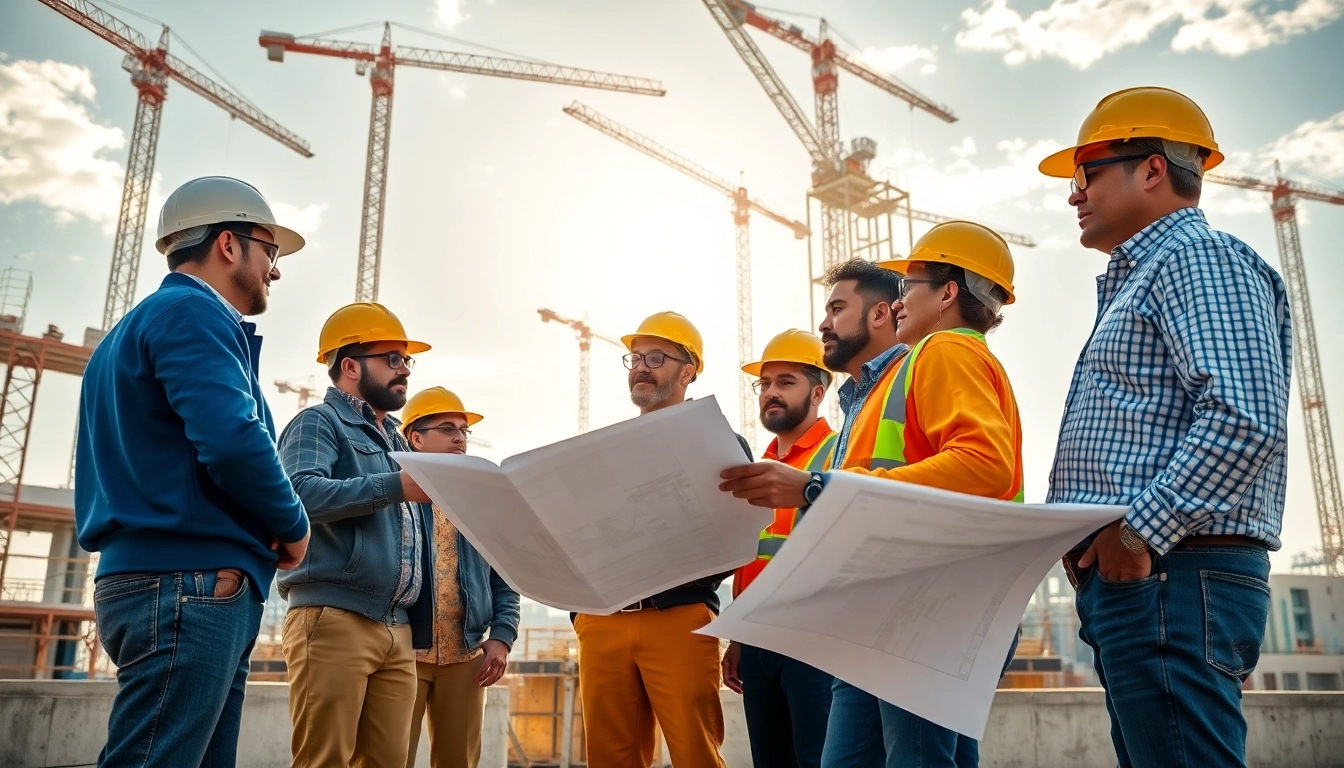
Understanding Structural Steel Fabrication
Structural steel fabrication is a critical process in the construction and manufacturing sectors that involves the transformation of raw steel into finished products tailored to specific architectural and engineering needs. This intricate procedure ensures that buildings and structures can endure the test of time and withstand the forces exerted upon them. From commercial skyscrapers to residential homes, the importance of structural steel fabrication cannot be overstated.
What is Structural Steel Fabrication?
At its core, structural steel fabrication refers to converting raw steel materials into usable steel structures like beams, columns, and plates. The process encompasses several activities, including cutting, bending, welding, and assembly. Each component is designed to meet specific load-bearing requirements and aesthetic considerations, making it an essential stage in construction and engineering projects.
The Importance of Structural Steel in Construction
Structural steel serves as the backbone of many types of buildings due to its strength, durability, and versatility. Its high ratio of strength to weight makes it ideal for constructions where supporting heavy loads over long spans is necessary. Moreover, steel's resistance to environmental factors — such as fire, corrosion, and extreme weather — adds to its appeal in various construction applications. The importance of structural steel fabrication goes beyond mere utility; it plays a vital role in ensuring safety and longevity across a myriad of structures.
Key Components of the Fabrication Process
The fabrication process is multifaceted and can be broken down into key components:
- Design and Engineering: Initial design work based on engineering requirements and project specifications.
- Material Selection: Choosing the appropriate type of steel and thickness for the intended structural purpose.
- Cutting: Using technologies such as plasma cutting, laser cutting, or saw cutting to shape the steel.
- Bending: Forming steel into desired shapes using methods such as press braking or roll forming.
- Welding and Assembly: Joining pieces together using welding techniques suited to the type of steel and the project requirements.
- Surface Treatment: Applying protective coatings or treatments to prevent corrosion and enhance durability.
Methods of Structural Steel Fabrication
Common Techniques: Cutting, Bending, and Welding
The process of structural steel fabrication utilizes a variety of techniques, each playing a significant role in achieving the final product. Here, we discuss some of the most common methods:
Cutting Techniques
- Plasma Cutting: An efficient method using high-temperature plasma to cut steel.
- Laser Cutting: Offers precision and smooth edges, ideal for intricate designs.
- Waterjet Cutting: Utilizes a high-pressure jet of water mixed with abrasives to cut without heating the material.
- Saw Cutting: Uses band or circular saws for efficient and straight cuts.
Bending Techniques
- Press Braking: A common method for bending flat pieces of steel into different angles.
- Rolling: Used to form curved shapes, useful in applications like arches or cylindrical structures.
Welding Techniques
- MIG Welding: Suitable for quick and versatile welding needs.
- TIG Welding: Typically used for thinner sections and provides a high-quality finish.
- Stick Welding: A more traditional method that is beneficial in outdoor or less controlled environments.
Advanced Technologies in Steel Fabrication
Modern advancements in technology have led to significant improvements in structural steel fabrication. Some noteworthy technologies include:
- 3D Modeling and BIM: Building Information Modeling (BIM) allows for better visualization and planning, facilitating more complex projects.
- Automation and Robotics: Automated cutting and welding processes improve efficiency, minimize waste, and enhance precision.
- IoT in Manufacturing: Internet of Things (IoT) technologies enable real-time monitoring of machinery and processes, leading to improved productivity and resource management.
Choosing the Right Method for Your Project
Determining the best method for structural steel fabrication depends on several factors:
- Project Requirements: Each project has unique structural needs that dictate the choice of materials and techniques.
- Budget: Some methods may be more cost-effective than others, and financial considerations should guide the decision-making process.
- Timeline: More efficient techniques may be essential for projects with tight deadlines.
Market Trends in Structural Steel Fabrication
Current Market Dynamics and Growth Rate
The structural steel fabrication market is projected to grow significantly, driven by increasing construction activities globally. Factors influencing this growth include urbanization trends, government initiatives in infrastructure development, and advancements in steel technology. According to recent reports, the market was valued at USD 87,575.31 million in 2024, with predictions suggesting an increase to USD 120,783.73 million by 2031, growing at a CAGR of 4.7%.
Impact of Economic Factors on Fabrication Costs
The cost of structural steel fabrication can fluctuate due to various economic factors:
- Steel Prices: Fluctuations in raw material costs significantly impact overall project expenses.
- Labor Costs: The availability and cost of skilled labor can affect production rates and quality.
- Supply Chain Issues: Disruptions can lead to delays and increased costs, necessitating strategic sourcing and inventory management.
Future Predictions for the Industry
The future of structural steel fabrication looks promising, with predictions indicating ongoing growth fueled by technological innovations and an increased focus on sustainability. As the construction industry evolves, strategies that prioritize efficiency and eco-friendliness will become paramount. Additional regulations around energy efficiency and environmental protections are likely to influence fabrication practices as well.
Choosing a Structural Steel Fabrication Partner
Evaluating Fabrication Companies
Finding the right structural steel fabrication partner is crucial for project success. Here are several aspects to consider when evaluating potential contractors:
- Experience: Look for companies with a proven track record in similar projects.
- Capabilities: Assess whether they have the necessary equipment and technologies to meet your specifications.
- Reputation: Research reviews and testimonials from previous clients to gauge reliability and quality.
Questions to Ask Potential Contractors
When interviewing fabrication companies, consider the following essential questions:
- What is your lead time for projects of similar size and complexity?
- Can you provide references from previous clients?
- What quality assurance processes do you have in place?
- How do you handle change orders or project modifications?
Importance of Certifications and Standards
Ensure that the contractors you consider hold relevant certifications and comply with industry standards. Certifications such as ISO 9001, AWS, and AISC indicate a commitment to quality and safety in fabrication processes. Additionally, adherence to local and national standards is essential for ensuring that the final product meets all legal and safety requirements.
Best Practices in Structural Steel Fabrication
Ensuring Quality Control and Safety
Quality control and safety are paramount in structural steel fabrication. Implementing best practices can significantly reduce defects and increase safety standards. This includes regular inspections at each stage of the fabrication process, thorough training programs for workers, and adherence to safety protocols to minimize on-site accidents.
Eco-Friendly Practices in Fabrication
As sustainability becomes a driving force in construction, many fabricators are adopting eco-friendly practices. Some methods include:
- Recycling Steel: Steel is one of the most recycled materials globally, and leveraging recycled steel can reduce the environmental footprint.
- Energy-Efficient Processes: Utilizing energy-efficient machinery and processes can decrease energy consumption and emissions.
- Waste Management: Developing effective waste management strategies ensures that scrap and excess material are minimized and reused whenever possible.
Case Studies of Successful Projects
Several high-profile projects highlight the successful application of structural steel fabrication:
- The Burj Khalifa: Featuring a unique structural system, this iconic skyscraper utilized advanced steel fabrication techniques to support its height and design aesthetics.
- The Sydney Harbour Bridge: A historic example of steel fabrication, showcasing the durability and strength of steel in large-scale construction.
- The Shard in London: A contemporary structure that emphasizes the role of steel fabrication in modern architecture, featuring intricate designs and energy-efficient solutions.
For more information on structural steel fabrication and its relevance in today's construction landscape, explore further resources or consult with industry experts.