Understanding the Basics of Land Irrigation
What is Land Irrigation?
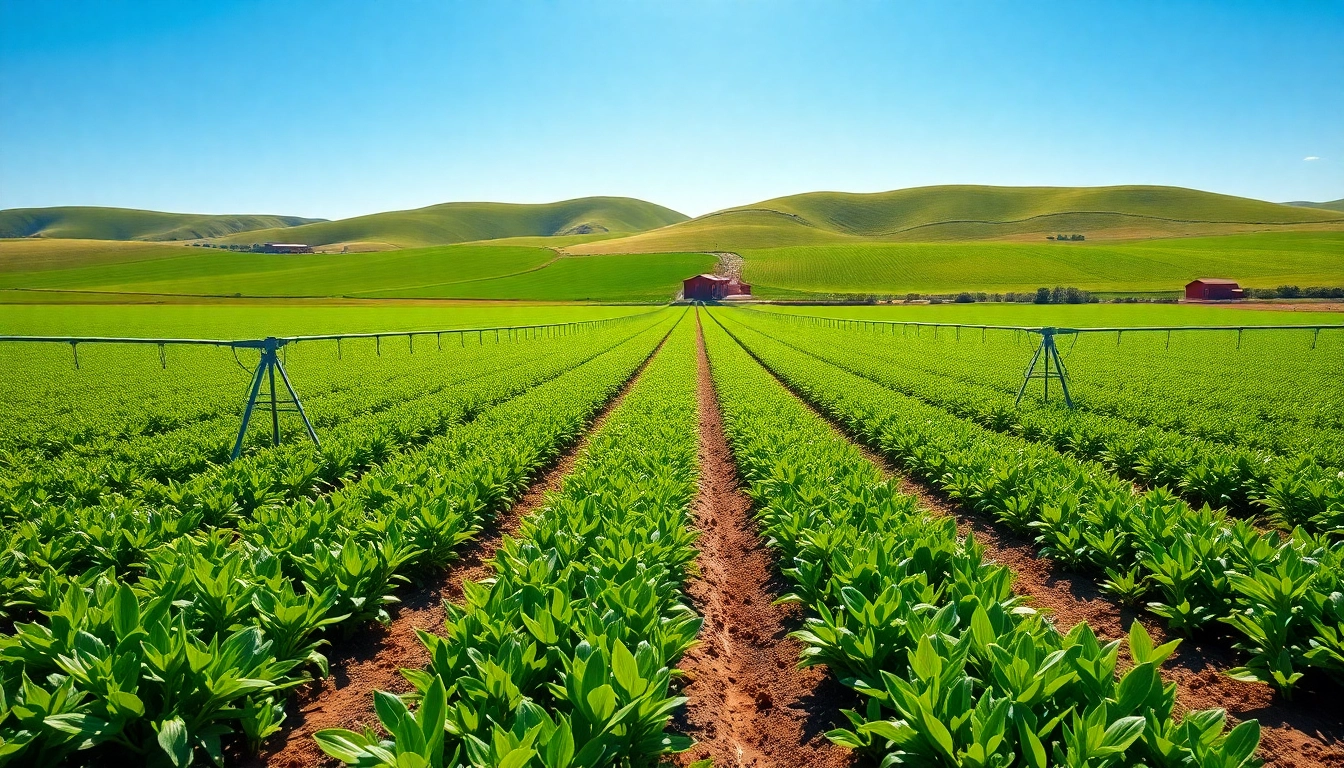
Land irrigation refers to the artificial application of water to the soil to assist in the growing of crops. This technique ensures that crops have an adequate supply of moisture, thereby enhancing plant health and productivity. Techniques can vary from surface irrigation, where water flows over fields via gravity, to advanced systems like drip and sprinkler irrigation. Effective land irrigation plays a crucial role in sustainable agriculture, particularly in areas prone to drought or inconsistent rainfall patterns. By effectively managing water resources, farmers can maximize yield and ensure the efficiency of land production. To learn more about enhancing your techniques in land irrigation, it is beneficial to delve into various irrigation methods and their applications.
Types of Land Irrigation Systems
There are several types of land irrigation systems, including:
- Surface Irrigation: Water is distributed over and across land by gravity. This method is typically used in flat areas where water can flow freely.
- Drip Irrigation: Tubes deliver water directly to the plant roots in small amounts, minimizing evaporation and runoff.
- Sprinkler Irrigation: Water is sprayed into the air and allowed to fall on crops like rain, making it suitable for uneven terrain.
- Subsurface Irrigation: This system utilizes buried pipes to deliver water directly to the plant roots, promoting efficient water usage.
- Center Pivot Irrigation: A rotating sprinkler system mounted on wheeled towers that moves around a pivot point, ideal for large fields.
Importance of Efficient Land Irrigation
Efficient land irrigation is vital for several reasons. Firstly, it enhances agricultural productivity by providing consistent moisture levels necessary for optimal crop growth. Secondly, it helps conserve water resources by utilizing precise applications rather than wasteful methods. Efficient systems can also reduce dependency on rainfall, thereby mitigating drought impacts. Additionally, effective irrigation promotes better soil health by preventing erosion and nutrient runoff, which can lead to sustainable farming practices.
Common Challenges in Land Irrigation
Poor Water Management Practices
Poor water management practices can lead to over-irrigation or under-irrigation, negatively impacting plant health and productivity. Mismanagement often results from a lack of knowledge or resources, causing several issues like soil degradation, increased salinity, or waterlogging. Farmers must invest in training and education about effective irrigation techniques to combat these problems.
Environmental Impact of Irrigation
Irrigation can significantly impact the environment, potentially leading to the depletion of local water sources. Over-extraction from rivers, lakes, or aquifers can disrupt ecosystems and harm aquatic life. Additionally, the runoff from fertilized fields can contaminate water bodies, affecting water quality. To mitigate these issues, adopting sustainable practices and technologies is essential to balance agricultural needs and environmental conservation.
Cost Implications of Ineffective Systems
Ineffective irrigation systems can result in substantial financial losses through increased operational costs and disappointing crop yields. Farmers may spend excessively on water resources, fertilizers, and labor due to inefficient practices. Investing in modern, efficient irrigation techniques can yield long-term savings and significantly improve profitability for growers.
Best Practices for Land Irrigation
Implementing Drip Irrigation Techniques
Drip irrigation is one of the most efficient methods for water application, targeting the root zone of plants while minimizing water wastage. By utilizing a network of tubing and emitters, this system delivers water directly to plants in controlled amounts. Implementing drip irrigation involves evaluating soil types, crop needs, and designing the system accordingly. It also provides the added benefit of reducing weed growth and disease spread among crops.
Smart Scheduling for Watering
Smart scheduling for irrigation helps optimize water use by ensuring that crops are watered when they need it most. Incorporating weather forecasts, soil moisture data, and seasonal trends can help determine the most effective times for irrigation. Tools like irrigation timers and smart controllers can automate these processes, allowing farmers to reduce water usage and improve crop yields efficiently.
Utilizing Rainwater Harvesting
Rainwater harvesting is an effective supplementary irrigation practice that captures and stores rainwater runoff for future use. By implementing catchment systems, farmers can collect rainwater from roofs and other surfaces, which can later be utilized during drier periods. This technique not only conserves municipal water supplies but also reduces the need for extensive irrigation, helping to achieve sustainable agricultural practices.
Technological Innovations in Land Irrigation
Automation and Smart Irrigation Systems
Advancements in technology have led to the development of automated and smart irrigation systems. These systems use sensors and data analytics to monitor soil moisture levels, weather conditions, and crop requirements. Automated irrigation allows for precise water application, reducing waste and improving crop efficiency. Additionally, these innovations can integrate with systems like smart home technology for enhanced functionality.
Data-Driven Decision Making
Data-driven decision-making in irrigation allows farmers to make informed choices based on real-time data. This approach includes analyzing historical weather patterns, soil conditions, and crop performance to optimize irrigation schedules. Utilizing big data analytics can enable farmers to predict water needs accurately and adjust their practices accordingly, leading to more efficient land irrigation.
Utilizing Soil Moisture Sensors
Soil moisture sensors provide vital information about the moisture levels in the soil, allowing for timely irrigation interventions. These sensors can be placed throughout a field to monitor varying moisture levels and can trigger automatic irrigation systems when needed. By using this technology, farmers can reduce overwatering, enhance crop health, and conserve water while maximizing yield.
Measuring Success in Land Irrigation
Key Performance Indicators
Measuring the effectiveness of land irrigation systems involves tracking key performance indicators (KPIs). Common KPIs include water use efficiency, crop yield per unit of water applied, and the overall cost-effectiveness of irrigation practices. By analyzing these metrics, farmers can identify areas for improvement and enhance their irrigation strategies over time.
Assessing Water Use Efficiency
Water use efficiency is a crucial parameter in evaluating the success of irrigation practices. This measurement assesses the amount of water used versus the crop yield produced. Improved efficiency signifies that less water is wasted while maximizing crop production. Farmers must regularly assess their systems to identify wasteful practices and implement corrective measures.
Evaluating Crop Yield Improvements
Evaluating crop yield improvements is essential in assessing whether irrigation practices are effective. By comparing yield data from different seasons or before and after adopting new techniques, farmers can measure the impact of improved irrigation methods. Higher yields not only contribute to profitability but also demonstrate successful water management and crop health.
Frequently Asked Questions
What are the main benefits of land irrigation?
Land irrigation enhances crop yield, supports consistent plant growth, reduces dependency on rainfall, and helps conserve soil health.
How do I choose the right irrigation system for my crops?
Consider factors like crop type, soil conditions, water availability, and field size. Assessing these elements can guide the selection of the most suitable system.
Can rainwater harvesting significantly lower water costs?
Yes, rainwater harvesting can reduce water costs by utilizing natural rainfall and providing an additional source of moisture for crops.
What technology is best for modernizing irrigation?
Automated systems, soil moisture sensors, and data analytics platforms are highly effective for modernizing and optimizing irrigation practices.
How can I improve water use efficiency in irrigation?
Implementing drip irrigation, utilizing smart scheduling, and regularly monitoring soil moisture can significantly enhance water use efficiency in irrigation.