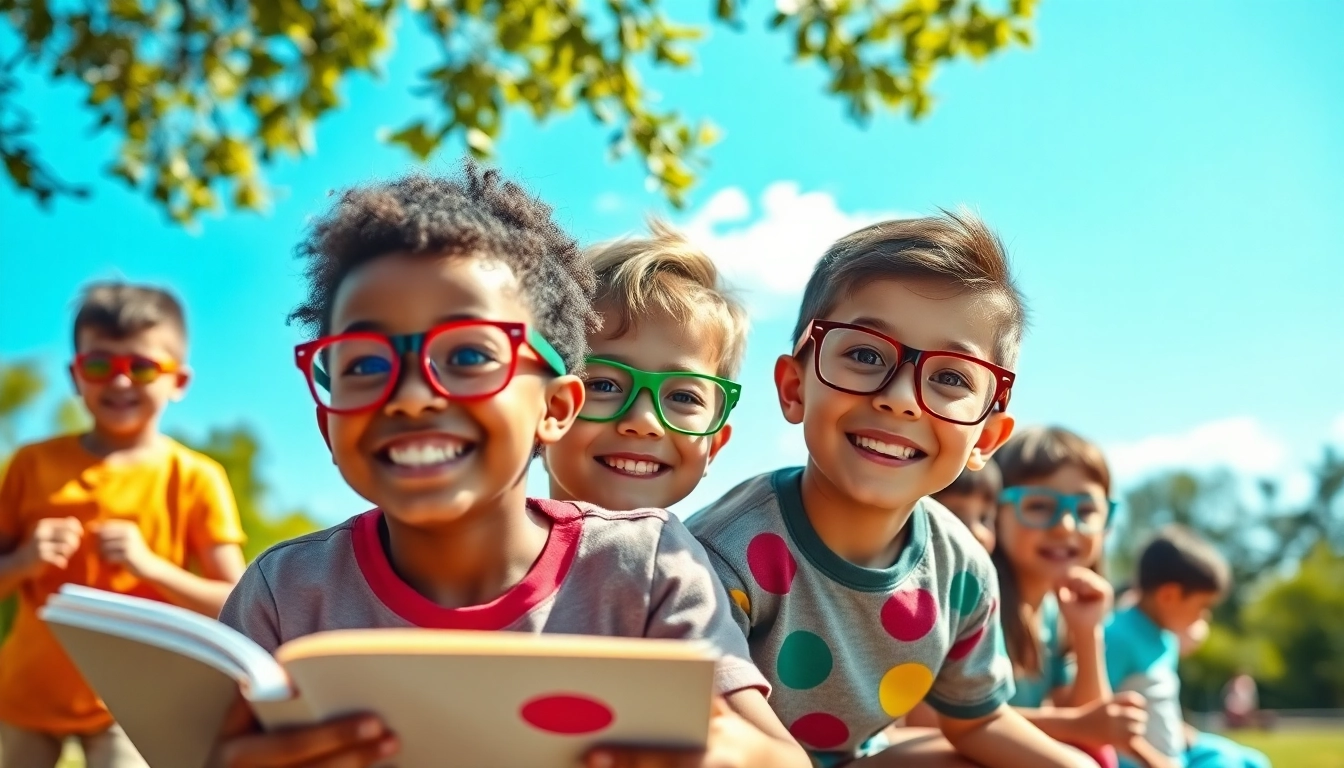
Understanding the Importance of Our Children's Vision
Children's vision is a foundational aspect of their overall health and developmental trajectory. Vision impacts the ability to learn, socialize, and navigate the world, making it vital to prioritize eye health from a young age. With the growing prevalence of vision impairment among children, it is essential to understand the underlying issues and solutions available. Organizations like Our Children's Vision advocate for improved eye care initiatives aimed at ensuring children can access necessary vision services.
The Role of Vision in Child Development
Vision serves as a primary means through which children interact with their environment. It influences their cognitive development, creative abilities, and social skills. Good vision allows children to excel in school, where visual tasks dominate; they rely on their sight for reading, writing, and engaging in educational activities. Poor vision can severely limit a child's ability in these areas, leading to a cascade of difficulties in both learning and social interactions.
Statistics Behind Vision Impairment in Children
Understanding the scope of vision impairment in children is crucial. Statistics indicate that approximately 1 in 4 children has an undiagnosed vision problem. Vision issues can range from refractive errors like myopia and hyperopia to more serious conditions such as amblyopia or strabismus. Alarmingly, many children go without necessary vision screenings, leading to missed opportunities for timely treatment and intervention.
Why Early Eye Care is Crucial
Early eye care is critical as many vision issues can develop silently during a child's formative years. Routine eye exams can help catch these issues early, allowing for intervention that can improve visual outcomes. The American Academy of Pediatrics recommends that children receive their first eye examination at six months of age, followed by additional assessments at age three and before entering the first grade. This proactive approach can ensure that children develop the necessary visual skills for academic success and everyday functioning.
Common Vision Issues Affecting Children
Identifying Symptoms of Vision Problems
Awareness of the symptoms associated with vision problems is essential for parents and educators. Common signs include difficulty in reading or writing, squinting, eye rubbing, covering one eye, and frequent complaints of headaches. These symptoms may suggest a need for a comprehensive eye examination. Parents should be vigilant, as many children may not outcry about their difficulties, often assuming their experiences are normal.
Impact of Digital Devices on Eye Health
The rise of digital technology has brought about significant changes in how children engage with the world. Increased screen time can contribute to digital eye strain, characterized by symptoms such as dryness, blurred vision, and discomfort. Children often spend hours on devices for both education and recreation, making it critical to balance screen use with eye-friendly practices. The American Academy of Ophthalmology recommends the 20-20-20 rule: every 20 minutes, look at something 20 feet away for at least 20 seconds to help reduce eye strain.
Myopia and Its Rising Prevalence
Myopia, or nearsightedness, is increasingly prevalent among children. Factors contributing to this rise include genetic predisposition and environmental influences such as increased near work and reduced outdoor playtime. Studies show that children who spend more time outdoors have a lower incidence of developing myopia. As educators and caregivers, promoting outdoor activities can be a simple yet effective strategy to help combat this growing issue.
Strategies for Promoting Healthy Eyesight
Encouraging Regular Eye Examinations
Establishing a routine for regular eye exams is a key strategy in promoting children's eye health. Different age groups have varying eye care needs; thus, tailored guidelines for each developmental stage can be beneficial. Parents should consult with eye care professionals to develop a suitable schedule of eye examinations to monitor their child’s visual health actively.
Implementing Vision-Friendly Practices at Home
Creating a vision-friendly environment at home involves instilling habits that protect and promote eye health. This includes proper lighting for reading and studying, encouraging breaks from screens, and ensuring a balanced diet rich in omega-3 fatty acids, vitamins C and E, and zinc. Engaging children in outdoor activities can further enhance these eye-friendly practices by reducing the risks associated with prolonged indoor screen exposure.
The Role of Nutrition in Eye Health
Nutrition plays an pivotal role in maintaining healthy eyesight. Consuming a balanced diet filled with colorful fruits and vegetables is crucial, as many are rich in essential nutrients that protect eye health. Nutrients such as lutein and zeaxanthin, found in leafy greens, can help reduce the risk of chronic eye diseases. Parents should prioritize meals that include these vital foods to support their children’s long-term vision health.
Community Initiatives Supporting Our Children's Vision
How Schools Can Promote Vision Health
Schools serve as a critical setting for promoting children’s vision health. Many institutions have started integrating vision screenings into their health assessments, recognizing that early detection of vision problems can lead to better academic outcomes. Encouraging physical education programs that include outdoor activities can also reinforce healthy vision habits. Educators should collaborate with eye care professionals to disseminate information about eye health to parents.
Partnerships with Healthcare Providers
Healthcare providers play a vital role in community efforts aimed at improving children’s vision. Establishing partnerships between schools, local health departments, and vision care organizations can create a more comprehensive approach to addressing eye health needs. Such collaborations can facilitate screenings, provide educational resources, and even implement mobile eye clinics to reach underserved populations.
Awareness Campaigns to Educate Families
Awareness campaigns are essential in educating families about the importance of eye health. These initiatives can focus on preventive measures, regular eye care, and the need for immediate attention to visual symptoms. Leveraging social media platforms, community events, and educational workshops can effectively engage families and increase participation in eye health screenings. Community leaders and advocates can amplify these important messages, driving home the point that protecting children’s vision is a joint effort.
Future Directions for Children's Eye Health
Innovative Technologies in Eye Care
The field of eye care is rapidly evolving, with technological advancements offering exciting new solutions for eye health. Innovations such as teleoptometry are extending access to eye care, particularly in rural areas where traditional services may be limited. Additionally, the development of more sophisticated vision screening tools is enabling healthcare providers to detect issues earlier than ever before, leading to improved outcomes for children.
Research and Development in Vision Health
Continuous research is vital for advancing our understanding of childhood vision health issues. Studies focusing on the causes of myopia, the effects of digital devices, and the impact of environmental factors are essential for developing better prevention strategies. Collaborations between academic institutions, healthcare professionals, and community organizations can help foster pollution-free environments and encourage policies that advocate for children’s vision health.
Global Efforts to Improve Children's Vision
Global initiatives are gaining momentum in addressing childhood vision problems. Organizations dedicated to this mission are working to raise awareness, develop inclusive policies, and implement sustainable eye care programs worldwide. By collaborating across borders to share resources and knowledge, these global efforts can help reduce the disparity in eye care access, ensuring that every child has the opportunity to achieve optimal vision health.