Introduction to Wood Wall Panels
In the world of interior design, wood wall panels have emerged as a transformative element that combines aesthetics with functionality. These panels not only offer a touch of warmth and elegance to any space but also enhance acoustics and insulation. As trends evolve, wood wall panels are being embraced in various settings, from modern homes to commercial spaces, contributing to an inviting and polished atmosphere.
What Are Wood Wall Panels?
Wood wall panels are sheets of wood or engineered wood that are used to cover walls. These panels can range from solid wood to veneer, laminate, or composite materials. They come in various designs, textures, and finishes, allowing for a versatile approach to interior styling. Their versatility means they can be employed in both residential and commercial spaces, making them a popular choice among architects and designers.
Benefits of Using Wood Wall Panels
The advantages of wood wall panels are abundant. Firstly, visually, they create a warm and inviting atmosphere that can transform any room. Secondly, they serve functional purposes, such as improving sound insulation and thermal efficiency. Additionally, wood wall panels are relatively easy to maintain and can withstand wear when properly cared for. Eco-conscious consumers will appreciate that many are made from sustainable sources, making them an environmentally friendly choice.
Types of Wood Wall Panels Available
Wood wall panels come in various formats and materials, each serving different aesthetic and practical purposes. Here are some of the most popular types:
- Solid Wood Panels: Comprising one piece or multiple planks of solid wood, these panels offer a high-quality finish and warmth.
- Plywood Panels: Made from multiple layers of wood, plywood panels can be more cost-effective while still providing durability.
- Veneered Panels: These consist of a thin layer of real wood over a core of another material, giving the appearance of solid wood at a lower price point.
- Composite Panels: Engineered from various materials, composite panels may resemble wood but are designed for enhanced durability and moisture resistance.
- Reclaimed Wood Panels: Sourced from old barns, factories, or houses, these panels not only add character but also come with a story.
Design Considerations for Wood Wall Panels
Choosing the Right Style and Finish
Selecting the appropriate style and finish for wood wall panels is essential in ensuring they fit seamlessly into your overall design theme. Contemporary designs may benefit from sleek, matte finishes, while rustic or farmhouse styles may call for distressed or weathered looks. Selecting a style that complements existing furniture and decor can create a cohesive atmosphere.
Color Palettes and Patterns
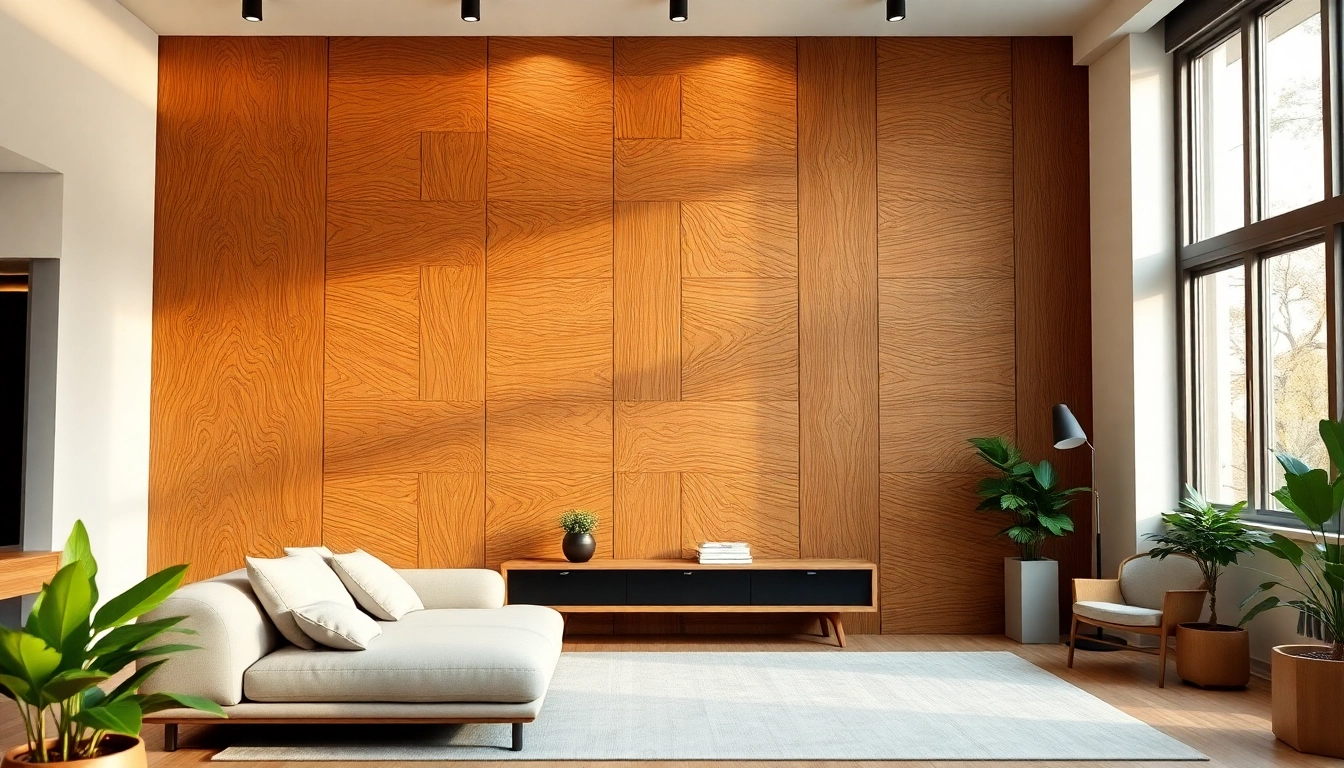
The color of wood wall panels plays a significant role in setting the mood of a space. Lighter woods can brighten a room and create a sense of airiness, whereas darker woods tend to provide depth and warmth. Patterns also enhance the artistic value of wood wall panels; geometric arrangements or herringbone patterns add visual interest and can act as focal points in a room.
Integrating Panels into Interior Design
Successfully integrating wood wall panels into interior design requires careful consideration of surrounding elements. For instance, combining panels with soft furnishings and complementary wall colors can enhance visual harmony. Panels can also serve unique purposes, such as creating accent walls that become the focal point of a room. Additionally, the use of lighting can highlight the texture of the panels, further accentuating their appeal.
Installation Guide for Wood Wall Panels
Preparation and Planning
Before installation begins, it is crucial to prepare correctly. This includes measuring the wall accurately and selecting the panels that best fit the design scheme. Proper planning should also involve how to handle potential obstacles, such as windows, doors, and electrical outlets, ensuring the installation is both efficient and visually appealing. It’s highly recommended to lay out the panels on the floor in the intended arrangement before securing them to the wall.
Step-by-Step Installation Process
The installation of wood wall panels typically includes the following steps:
- Gather Tools and Materials: You will need saws, nails or adhesives, a measuring tape, a level, and safety equipment.
- Prepare the Surface: Ensure the wall is clean, dry, and free from obstacles.
- Measure and Mark: Start at the center or a corner of the wall and measure the length of the panels to mark where they will be placed.
- Cut Panels as Needed: Use a saw to cut panels to fit around any obstacles.
- Secure Panels: Depending on the type of panels, use adhesive or nails to secure them, ensuring they are level and evenly spaced.
- Finish Edges: Use trim pieces to cover any gaps or raw edges for a polished look.
Common Mistakes to Avoid
While installing wood wall panels can be straightforward, several common mistakes can occur:
- Inaccurate Measurements: Take your time measuring to avoid misfits.
- Poor Adhesion: Ensure adequate adhesive is applied when using glue for securing panels.
- Forgetting Acclimation: Wood panels should acclimate to the room's environment before installation to prevent warping.
- Neglecting Expansion Gaps: Leave room for wood expansion, especially in humid environments.
Maintenance of Wood Wall Panels
Cleaning and Care Specifics
Proper maintenance of wood wall panels is essential for preserving their beauty and longevity. Regularly dusting surfaces with a soft cloth can prevent dirt accumulation. For deeper cleaning, a damp cloth with mild soap can be used, but excess moisture should be avoided. Consider using cleaners specifically designed for wood to maintain the finish without damaging the material.
Long-term Care Tips
In addition to regular cleaning, managing humidity levels can significantly impact wood wall panels. Utilizing dehumidifiers in moisture-heavy areas, such as kitchens or bathrooms, can prevent warping or cracking. Additionally, applying a sealant periodically helps to protect the wood from stains and wear.
Addressing Damage and Repairs
Should your wood wall panels suffer from scratches, dents, or other damage, prompt repairs can extend their lifespan. Small scratches can often be repaired with wood filler or touch-up markers. For larger issues, replacement panels may be necessary, and it’s advisable to keep spare panels from your original installation for a seamless match.
FAQs about Wood Wall Panels
What Are the Advantages of Wood Wall Panels?
Wood wall panels provide aesthetic appeal, improved insulation, and sound absorption. They add warmth and versatility, fitting various design styles while being relatively easy to maintain.
Can Wood Wall Panels Be Used in Any Room?
Yes, wood wall panels can be used in any room. However, in high-moisture areas like bathrooms, ensure you select materials designed for moisture resistance.
How Do I Maintain My Wood Wall Panels?
Regular dusting and occasional deep cleaning with a damp cloth and wood-safe soap will help maintain your panels. Also, control humidity levels to prevent damage.
What Materials Are Used in Wood Wall Panels?
Wood wall panels can be made from solid wood, plywood, engineered wood, or reclaimed wood, each offering different aesthetics and benefits.
Can I Install Wood Wall Panels Myself?
Yes, you can install wood wall panels yourself if you have the right tools and follow a detailed installation guide. Proper preparation and caution are key.