Understanding the Importance of Motorcycle Screen
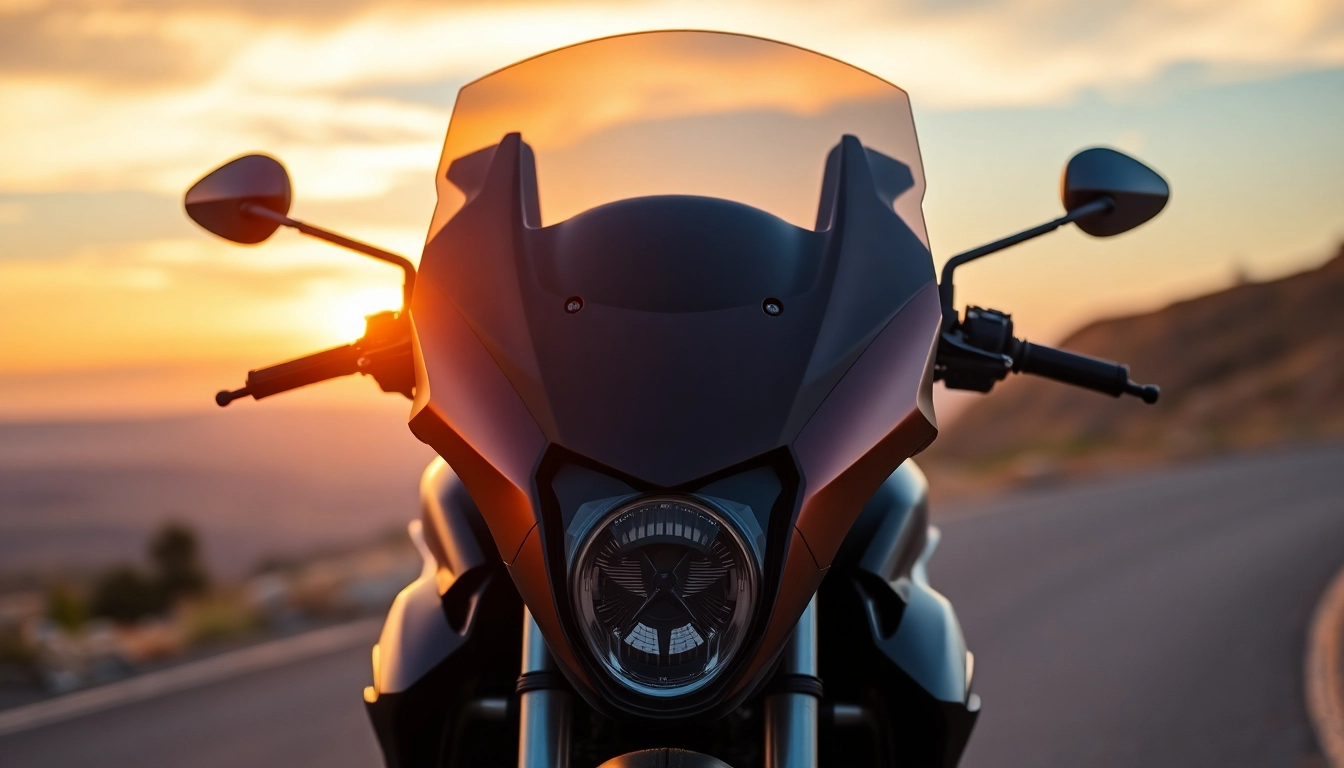
A motorcycle screen plays a vital role in enhancing the overall riding experience. It not only provides protection against wind, debris, and weather elements but also enhances the bike's aerodynamics. As motorcyclists seek both performance and comfort, understanding the benefits and functionalities of a motorcycle screen is essential. Whether you’re a casual rider or a seasoned enthusiast, investing in a quality motorcycle screen can significantly transform your biking outings.
Benefits of Using a Motorcycle Screen
Motorcycle screens, also known as windshields, serve multiple purposes that extend beyond aesthetic appeal. Here are several benefits of utilizing a motorcycle screen:
- Wind Protection: A motorcycle screen reduces wind resistance, thereby improving comfort during rides. Riders can enjoy longer trips without the fatigue associated with continuous buffeting.
- Debris Shield: Screens act as barriers against stones, insects, and other debris that can cause injuries or distractions while riding.
- Weather Element Defense: Rain and cold can significantly impact riding conditions. Screens offer protection against weather elements, allowing riders to maintain better control in adverse conditions.
- Aerodynamic Efficiency: A well-designed screen can enhance the bike’s aerodynamics, potentially leading to improved fuel efficiency and stability at high speeds.
- Customization: Motorcycle screens are available in various styles and colors, allowing riders to customize their bikes while enhancing functionality.
How Motorcycle Screen Affects Riding Experience
The impact of a motorcycle screen on the overall riding experience cannot be overstated. By alleviating wind fatigue and providing necessary protection, a motorcycle screen allows for a more enjoyable ride. When riding without a screen, significant wind pressure can make it difficult to maintain speed and control. Additionally, riders may experience discomfort that can lead to quicker exhaustion and reduced concentration.
With the addition of a properly fitted screen, not only does the physical strain decrease, but also riders can maintain their attention on the road. This increased comfort can encourage longer rides and enhance overall satisfaction, making trips more enjoyable regardless of distance.
Common Materials Used for Motorcycle Screen
Motorcycle screens are made from a variety of materials, with each offering distinct benefits. Understanding these materials can guide your choice in selecting the best option for your bike.
- Acrylic: Often used due to its lightweight properties and clarity, acrylic screens are shatter-resistant, making them a popular choice for many riders.
- Polycarbonate: Known for its incredible durability, polycarbonate is less likely to scratch or shatter compared to acrylic, though it may be heavier.
- Glass: While not as common in motorcycle applications due to weight, glass provides excellent clarity and resistance to scratches. It’s more commonly used in touring bikes.
- Manufactured Plastics: Various other proprietary plastics are utilized for screens, often enhancing clarity and flexibility, catered to specific models.
Selecting the Right Motorcycle Screen for Your Bike
Choosing the right motorcycle screen is critical to harnessing its benefits fully. It’s important to consider several factors before making a purchase to ensure optimal fit and performance.
Factors to Consider Before Buying
- Type of Riding: Depending on whether you’re a commuter or long-distance traveler, select a screen that reflects your riding style — short and sporty screens for bikes used in urban environments or taller options for comfort during long rides.
- Height and Width: The dimensions of the screen should align with your height and riding position. A screen that is too short won't offer adequate protection, while one that is too tall may obstruct your view.
- Mounting Style: Ensure the screen is compatible with your motorcycle's mounting style. Some screens require specific brackets that must be compatible with your model.
- Regulations: Check if local laws regulate screen height and design. Compliance is essential to avoid legal issues and ensure safety.
How to Measure for Perfect Fit
When measuring for the perfect motorcycle screen fit, follow these steps:
- Stand in Your Riding Position: Sit on your bike in the normal riding position to determine how the screen should range in height and width.
- Determine Eye Level: Based on your sitting position, measure from your eyes to the ground to gauge how high the screen should be to maintain visibility.
- Consider Riding Posture: Your posture can change depending on the type of bike. Ensure to account for lean when measuring.
- Width Measurement: Measure the handlebars as a reference for the width of the screen to ensure it doesn’t protrude excessively.
Top Features to Look For in a Motorcycle Screen
When selecting a motorcycle screen, consider features that enhance both functionality and aesthetics:
- Adjustability: Some screens offer adjustable heights, providing customizable airflow and protection.
- Tinted Options: A tinted screen can reduce glare, aiding visibility during sunny rides.
- Aerodynamic Design: Designs that reduce drag can enhance speed and fuel efficiency, making them ideal for long rides.
- Easy Installation: Look for screens that come with simple and comprehensive installation instructions.
- Scratch Resistance: Screens treated for scratch resistance can maintain clarity and reduce the need for frequent replacements.
Installation Best Practices for Motorcycle Screen
Installing a motorcycle screen correctly is essential to ensure it functions as intended and remains secure during rides. Below are best practices for installation.
Tools Needed for Installation
Before starting the installation process, gather the necessary tools to facilitate a smooth setup:
- Screwdriver set
- Socket set
- Allen wrench set
- Measuring tape (for adjustments)
- Level (to ensure proper alignment)
- Soft cloth (to avoid scratches during handling)
Step-by-Step Installation Guide
- Preparation: Park your motorcycle on a stable surface and remove any existing screens if applicable.
- Clean the Area: Wipe the mounting area with a soft cloth to remove any dirt or debris that could interfere with the installation.
- Position the Screen: Align the screen with the mounting brackets; ensure it sits correctly based on your previous measurements.
- Secure the Screen: Using the appropriate screws and tools, tighten the screen to the mounting brackets, taking care to avoid overtightening.
- Final Adjustments: Ensure the screen is level and aligned before taking it out for a test ride.
Common Installation Mistakes to Avoid
To ensure a hassle-free installation, consider these common mistakes:
- Ignoring Manufacturer Instructions: Always consult the installation instructions provided with the screen for best practices.
- Overtightening Screws: This can lead to cracking the screen or damaging the bike's mounting area. Tighten screws until they are snug, not excessively tight.
- Inaccurate Measurements: Double-check measurements to avoid selecting an ill-fitting screen.
- Installing Without Cleaning: Dirt and dust can prevent a proper seal and lead to issues during installation.
Maintenance Tips for Prolonging Motorcycle Screen Durability
Proper maintenance of a motorcycle screen prolongs its lifespan and maintains its clarity and effectiveness. Following a few guidelines can keep your screen looking new for years.
Cleaning and Care Techniques
Regular cleaning is key to maintaining your motorcycle screen:
- Use Soft Cloths: Always use a microfiber cloth or similar material to clean the screen; avoid paper towels that may scratch the surface.
- Gentle Cleaners: Use cleaning solutions specifically designed for plastics or windshields; avoid ammonia-based products that can damage the screen.
- Rinse Regularly: After riding in adverse conditions, rinse the screen with water to remove debris and dirt. Follow up with a cleaning solution for thorough care.
- Proper Storage: When not in use, store the motorcycle in a garage or under a cover to prevent environmental damage.
Identifying and Repairing Scratches
Even with diligent care, scratches may occur. Here’s how to identify and repair them:
- Inspection: Regularly inspect the screen for noticeable scratches or scuffs, particularly after long rides.
- Polishing Compound: For minor scratches, use a plastic polish product to buff out imperfections. Follow the manufacturer’s instructions for best results.
- Replacement for Severe Damage: If scratches are deep or obstruct visibility, it may be time to invest in a new motorcycle screen.
When to Replace Your Motorcycle Screen
Knowing when to replace your motorcycle screen is vital for safety and performance:
- Visible Damage: Any signs of cracks, chips, or severe scratches warrant replacement.
- Impaired Visibility: If your screen obscures your view, it’s essential to replace it to maintain safe riding conditions.
- Frequent Buffeting: If the screen no longer provides the intended wind protection, it may be time for an upgrade.
Performance Metrics: Evaluating Your Motorcycle Screen
After installing a new motorcycle screen, it’s important to assess its performance. Here’s how to evaluate effectiveness and satisfaction:
How to Assess Riding Comfort Post-Installation
Post-installation comfort assessment involves both subjective and objective measures:
- Comfort Levels: After your first few rides with the newly installed screen, assess how you feel. Are you less fatigued? Is wind noise reduced?
- Test in Varied Conditions: Ride in different weather conditions and speeds to evaluate the screen’s performance comprehensively.
- Peer Comparison: Seek feedback from fellow riders who may have similar setups to validate your experience.
Impact on Aerodynamics and Fuel Efficiency
The influence of a motorcycle screen on aerodynamics and fuel efficiency can be critical for long-distance riders:
- Efficiency Assessment: Keep a log of fuel consumption before and after the screen installation to evaluate its impact on efficiency.
- Wind Resistance Testing: If possible, test the motorcycle's speed at different RPMs and speeds to analyze how the screen affects wind resistance.
- Handlers’ Feedback: Engage with fellow motorcyclists to compare experiences with different styles and screen configurations.
User Feedback and Ratings on Different Motorcycle Screen Models
Engaging with fellow riders and reviewing ratings can provide meaningful insights:
- Online Reviews: Utilize forums and motorcycle community platforms to gather feedback on specific model experiences.
- Local Motorcycle Events: Attend events to talk to riders about their preferred screens and experiences firsthand.
- Expert Recommendations: Seek advice from motorcycle mechanics and enthusiasts who can provide data-backed recommendations on screen effectiveness.