Understanding Cabinetry Basics
What is Cabinetry?
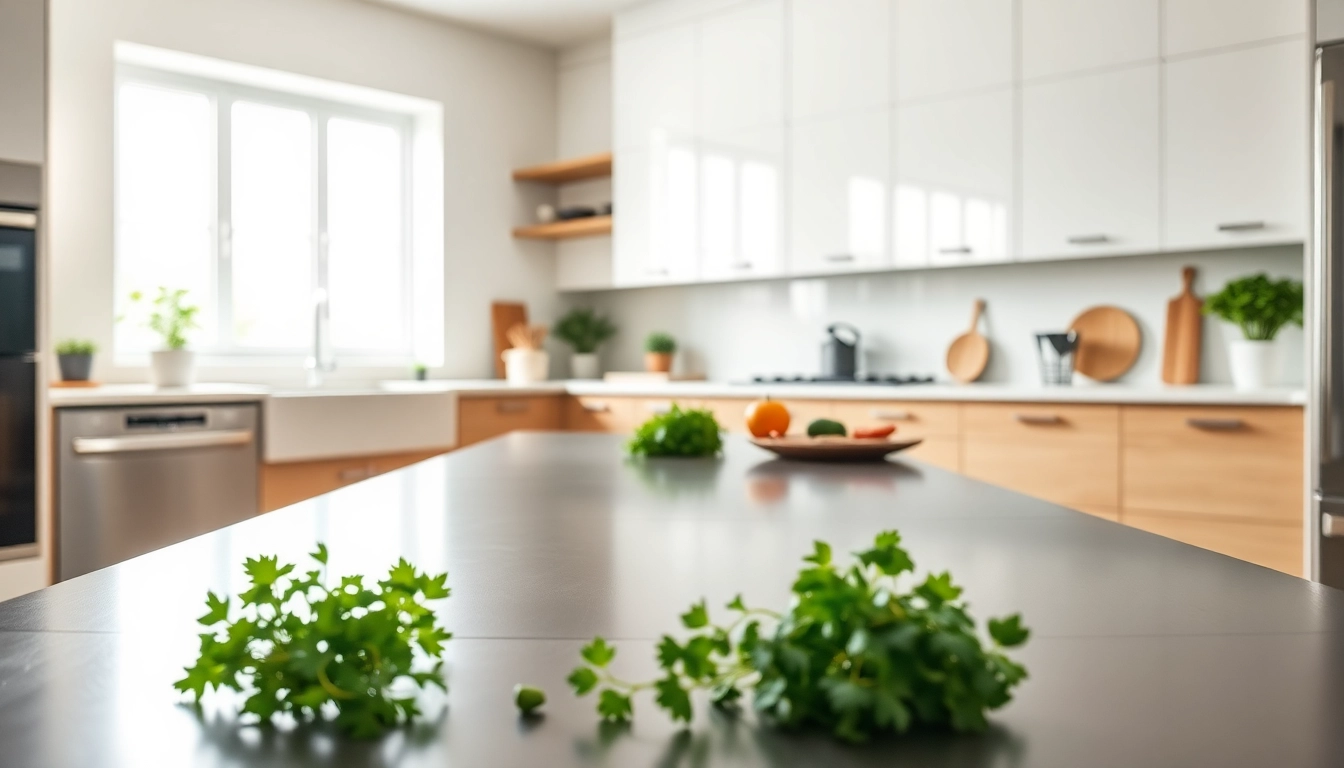
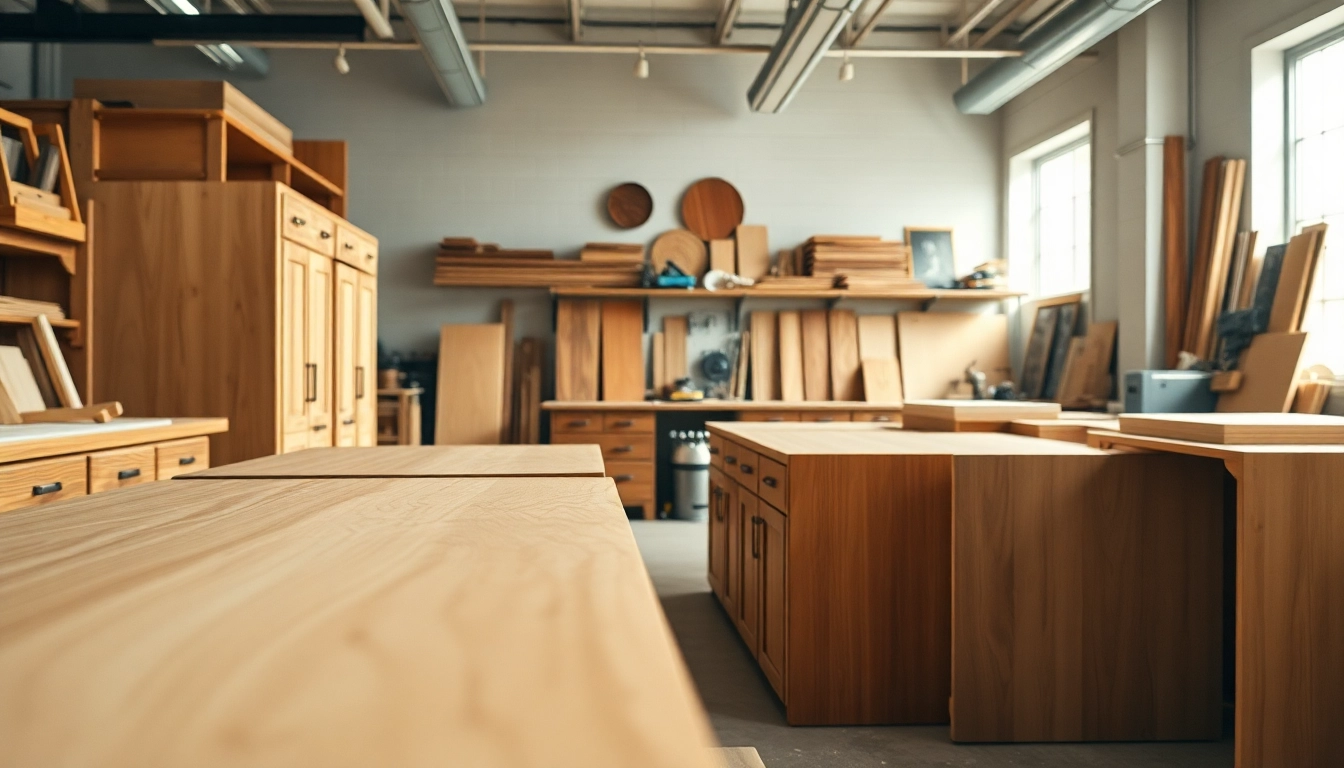
Cabinetry refers to a collection of cabinets and storage solutions installed within a home or commercial space. It serves both functional and aesthetic purposes, allowing homeowners to optimize their storage while enhancing the overall decor of their spaces. Cabinetry encompasses a variety of styles, materials, and configurations, making it an integral part of interior design in kitchens, bathrooms, living rooms, and more.
Different Types of Cabinetry
There are several types of cabinetry, each serving different functions and styles:
- Base Cabinets: These cabinets sit on the floor and support the countertop. They are commonly used in kitchens and bathrooms.
- Wall Cabinets: Mounted on walls, these cabinets provide additional storage without taking up floor space.
- Tall Cabinets: Often used as pantry or utility storage, tall cabinets reach from the floor to the ceiling.
- Vanity Cabinets: Specifically designed for bathrooms, these cabinets often house sinks and storage for toiletries.
- Custom Cabinets: Tailored to specific needs, custom cabinetry allows for personalized dimensions, styles, and finishes.
Key Materials Used in Cabinetry
The materials used in cabinetry play a crucial role in durability, aesthetics, and maintenance. Common materials include:
- Wood: A timeless choice, hard and softwoods provide beauty and sturdiness. Popular options include oak, maple, and cherry.
- Plywood: Constructed from layers of wood veneer, plywood is strong, cost-effective, and resistant to warping.
- Particleboard: Often used in low-cost cabinet options, particleboard is made from compressed wood particles and coated with laminate.
- MDF (Medium Density Fiberboard): This engineered wood product is smooth and ideal for paint finishes, offering versatility in design.
- Melamine: A synthetic material that offers durability and a wide range of colors, ideal for affordable cabinetry solutions.
Designing Your Dream Cabinetry
Choosing the Right Style for Your Home
When designing cabinetry, selecting the right style is essential for creating a cohesive look throughout your home. Key styles include:
- Traditional: Featuring ornate detailing, raised panel doors, and rich finishes, traditional cabinetry exudes elegance.
- Modern: Characterized by clean lines, minimalistic features, and sleek finishes, modern cabinetry embraces simplicity.
- Transitional: This hybrid style combines elements from both traditional and modern designs, offering versatility and balance.
- Rustic: Emphasizing natural materials, rustic cabinetry often features distressed finishes and warm tones to evoke a cozy atmosphere.
Color Schemes and Finishes in Cabinetry
Color plays a significant role in cabinetry design. Popular color schemes include:
- Neutrals: Whites, grays, and beiges offer a timeless, adaptable base for any decor style.
- Bold Colors: Colors like navy blue or forest green can add personality and make a statement.
- Two-Tone Finishes: Combining different colors for upper and lower cabinets can create depth and interest.
Finishes also impact the look and feel of cabinetry. Common finishes include:
- Lacquer: Provides a glossy finish that’s durable yet elegant.
- Stains: Enhance the natural beauty of wood while offering various levels of opacity.
- Paint: Allows for endless color options; ideal for modern and transitional designs.
Common Design Mistakes to Avoid
Creating the perfect cabinetry can be challenging. Here are some common design pitfalls to sidestep:
- Ignoring Functionality: While aesthetics are important, ensure that cabinetry is designed with functionality in mind.
- Overcomplicating the Design: Clean, simple lines often work better in creating harmony with surrounding decor.
- Neglecting Proportions: Ensuring cabinets are appropriately scaled to the space is essential for achieving balance.
- Overlooking Storage Needs: Consider the specific storage requirements and incorporate features like pull-out shelves and dividers.
Cabinetry Installation Process
Preparing Your Space for New Cabinetry
Before installation, it is crucial to prepare your space adequately. Follow these steps:
- Clear the Area: Remove any existing cabinetry or furniture that may obstruct the installation process.
- Measurement: Take precise measurements of the area where the cabinetry will be installed to ensure a correct fit.
- Check for Levels: Confirm that walls and floors are level, as uneven surfaces can affect installation quality.
- Plan Electrical and Plumbing: If cabinets will house appliances like sinks or dishwashers, ensure plumbing and electrical systems are properly positioned.
Step-by-Step Installation Guide
Installing cabinetry can be done successfully by following these steps:
- Assemble Cabinets: Start by assembling base and wall cabinets according to manufacturer instructions.
- Install Base Cabinets: Secure the base cabinets to the wall using screws, ensuring they are level.
- Place Countertop: After securing the base cabinets, properly fit the countertop in place and attach it.
- Hang Wall Cabinets: Use a level and secure wall cabinets above the base cabinets, ensuring they are properly aligned.
- Add Finishing Touches: Attach cabinet doors, handles, and any additional trim or decorative elements.
Professional vs. DIY Installation
When deciding between DIY or professional installation, consider these factors:
- Skill Level: Evaluate your own skills and experience with home improvement projects. If you’re inexperienced, hiring a professional may be best.
- Time Consideration: Professional installers usually finish the job faster due to expertise and available labor.
- Tools and Equipment: Ensure you have the necessary tools for a proper installation. Professionals often have specialized equipment.
- Cost: While DIY may save money on labor, professionals can help avoid mistakes that might lead to costly repairs.
Caring for Your Cabinetry
Cleaning and Maintenance Tips
Maintaining cabinetry is essential for longevity. Follow these cleaning and maintenance tips:
- Regular Dusting: Use a soft cloth to dust cabinetry surfaces weekly, preventing buildup.
- Use Mild Cleaners: Clean surfaces with a mild dish soap solution for routine cleaning. Avoid harsh chemicals that can damage finishes.
- Wipe Up Spills Immediately: Address spills quickly to prevent stains or damage from moisture.
Repairing Common Cabinetry Issues
Over time, cabinetry may encounter some issues. Here’s how to address common problems:
- Scratches: For minor scratches, a wood touch-up pen can help conceal imperfections.
- Dents: Use a damp cloth to steam out small dents in wood surfaces.
- Loose Hinges: Tighten loose hinges promptly to avoid further damage to cabinet doors.
Enhancing Durability and Longevity
To extend the lifespan of your cabinetry, consider these strategies:
- Avoid Excess Moisture: Maintain humidity levels in your home to prevent warping and mold growth.
- Wear Gloves: When cleaning, wear gloves to avoid transferring oils from your hands to cabinetry surfaces.
- Inspect Regularly: Regularly check cabinetry for signs of wear and address issues early to prevent costly repairs.
Trends and Innovations in Cabinetry
Eco-Friendly Cabinetry Options
As sustainability becomes more important, eco-friendly cabinetry options are increasingly popular. Some solutions include:
- Reclaimed Wood: Utilizing reclaimed materials reduces waste and promotes a unique aesthetic.
- Low-VOC Finishes: These environmentally friendly finishes reduce harmful emissions while maintaining quality.
- Sustainable Sourcing: Look for certifications like FSC (Forest Stewardship Council) to ensure responsible sourcing of materials.
Smart Technology Integration
Smart cabinetry is revolutionizing modern homes. Innovations include:
- Integrated Lighting: LED lighting can be incorporated within cabinet spaces, enhancing visibility while adding ambiance.
- Smart Hardware: Features like touch-open mechanisms and sensor-controlled lighting bring convenience.
- Appliance Integration: Built-in technology for dishwashers, microwaves, and more streamlines kitchen operations.
Future Trends in Cabinet Design
The future of cabinetry is likely to include:
- Minimalistic Designs: Continued popularity of clean lines and minimal embellishment reflects modern preferences.
- Customizable Systems: Modular and customizable cabinetry systems enable unique configurations for various spaces.
- Smart Storage Solutions: Innovations in intelligent storage design will optimize efficiency while keeping spaces clutter-free.
FAQs
What are the advantages of custom cabinetry?
Custom cabinetry provides tailored solutions, maximizing storage space and enhancing aesthetics unique to each home.
How do I choose the right materials for cabinetry?
Consider durability, maintenance, and style preferences. Popular options include hardwoods, plywood, and engineered materials.
Can I install cabinetry myself?
Yes, but ensure you have the right tools and skills. Consider hiring professionals for complex installations to avoid costly mistakes.
What is the average cost of custom cabinetry?
Costs vary widely based on materials and complexity, generally ranging from $500 to $1,500 per linear foot.
How can I maintain my cabinetry?
Regularly clean surfaces, avoid harsh chemicals, and maintain stable humidity levels to prevent warping and damage.