Understanding the Basics of Gardening
Gardening is an art, a science, and a fulfilling hobby that has been practiced for centuries. It's the practice of cultivating plants for beauty, food, and environmental benefits. At its core, Gardening is about more than just growing plants; it's about understanding the ecosystem and creating a harmonious relationship between humans and nature. This comprehensive guide will explore the fundamentals of gardening, providing insights for beginners and seasoned gardeners alike.
What is Gardening?
Gardening is the process of growing and cultivating plants, whether for aesthetic purposes, food production, or ecological restoration. It encompasses a wide variety of activities, including planting, nurturing, pruning, and harvesting. Gardens can be found in residential backyards, public parks, or urban rooftops, and can include flowers, vegetables, fruits, herbs, and ornamental plants.
The impact of gardening extends beyond just aesthetics; it contributes to sustainability by improving air quality, enhancing biodiversity, and reducing the urban heat island effect. Moreover, gardening offers therapeutic benefits, allowing individuals to connect with nature, reduce stress, and find joy in nurturing living organisms.
The Importance of Soil Quality
Soil is the foundation of any garden and often considered its most vital component. Healthy soil provides plants with essential nutrients, water, and a habitat for beneficial microorganisms. The quality of soil can greatly influence the success of a garden. Here are some key aspects to consider:
- Soil Composition: It consists primarily of minerals, organic matter, air, and water. The ideal composition supports plant growth and promotes robust root systems.
- Soil pH: The acidity or alkalinity of soil affects nutrient availability. Testing your soil pH can help you make the necessary adjustments for optimal plant growth.
- Soil Structure: Good soil has a granular structure that allows for air circulation and water drainage. Compacted soil can hinder plant growth and root development.
- Organic Matter: Incorporating organic materials like compost enhances soil structure and promotes microbial activity, creating a thriving garden ecosystem.
Essential Gardening Tools for Beginners
Having the right tools can make gardening more efficient and enjoyable. Here’s a list of essential tools every beginner should consider:
- Hand Trowel: Ideal for digging, planting, and transferring plants.
- Pruning Shears: Used for trimming and shaping plants, promoting healthy growth.
- Garden Fork: Excellent for turning over soil and breaking up compacted earth.
- Watering Can: Essential for watering plants, especially in containers.
- Gloves: Protects hands from dirt and potential irritants while working in the garden.
- Rake: Useful for leveling soil and collecting debris such as leaves and clippings.
Choosing the Right Plants for Your Garden
Choosing the right plants is crucial for creating a thriving garden. Understanding the needs of both your plants and your local climate will determine the success of your gardening efforts.
Native Plants vs. Exotic Plants
When selecting plants, consider the benefits and challenges of native versus exotic species:
- Native Plants: Adapted to the local environment, requiring less water and maintenance. They support local wildlife and are better suited for the ecosystem.
- Exotic Plants: Often visually stunning, but they may require more resources and care. They can sometimes compete with native species, leading to ecological imbalance.
Seasonal Planting Considerations
Understanding seasonal planting is vital for ensuring that plants thrive throughout the year. Different plants have specific growth cycles; therefore, timing your planting appropriately according to the seasons can lead to greater success:
- Spring Planting: Ideal for most annual flowers and many vegetables.
- Summer Planting: Can be used for late-season crops and perennials.
- Fall Planting: Best for establishing bulbs, certain vegetables, and perennial flowers before winter.
- Winter Care: Understanding how to protect plants during colder months enhances their resilience for the upcoming growing season.
Starting a Vegetable Garden: Tips and Tricks
Growing your vegetables can be rewarding and cost-effective. Here are some actionable tips for establishing a vegetable garden:
- Site Selection: Choose a location that receives ample sunlight, ideally 6-8 hours a day.
- Soil Preparation: Test and amend soil as needed to ensure nutrient levels are adequate. Consider raised beds for improved drainage and soil quality.
- Planting Schedule: Follow a calendar for your region to determine when to sow seeds or transplant seedlings.
- Crop Rotation: This practice prevents soil depletion and limits pest or disease buildup.
- Companions: Use companion planting to enhance growth and protect against pests.
Best Practices for Plant Care
Once your garden is established, maintaining plant health through proper care becomes essential. Good practices can significantly affect plant productivity and growth.
Watering Techniques and Schedules
Watering is a crucial component of gardening, and it is essential to ensure plants receive the right amount:
- Deep Watering: Watering deeply encourages deep root growth. Aim for less frequent, thorough watering rather than light, daily sprinkles.
- Morning Watering: This is typically the best time to water, as it allows plants to absorb moisture before the heat of the day.
- Soaker Hoses or Drip Irrigation: These methods minimize water loss through evaporation and target water directly at the roots.
Natural Pest Control Methods
Managing pests naturally can help protect your garden while promoting biodiversity. Here are some effective methods:
- Beneficial Insects: Encourage natural predators like ladybugs and lacewings to control pest populations.
- Natural Sprays: Use homemade solutions like neem oil or insecticidal soap to deter unwanted insects.
- Physical Barriers: Employ row covers or nets to protect plants from pests while allowing sunlight and rain to penetrate.
Fertilizing for Optimal Growth
Proper fertilization helps ensure plants receive the nutrients they need to thrive:
- Organic Options: Use compost or well-rotted manure to improve soil health and provide a slow release of nutrients.
- Testing Soil: Conduct soil testing to determine pH and nutrient levels, allowing for tailored fertilization.
- Application Timing: Fertilize at the beginning of the growing season and follow up based on plant needs.
Advanced Gardening Techniques
For those looking to delve deeper into the world of gardening, advanced techniques can enhance productivity and sustainability.
Companion Planting Strategies
Companion planting involves strategically placing different plants together for mutual benefits:
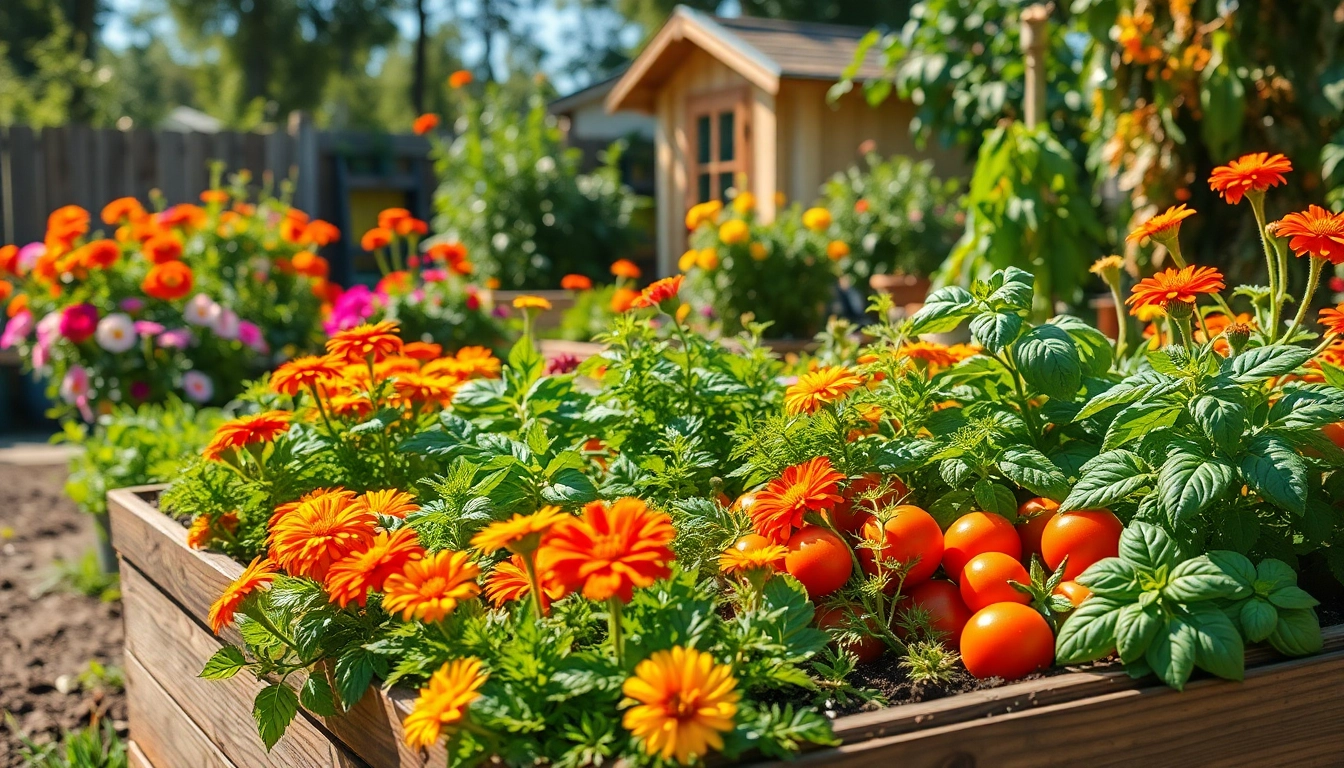
- Mutual Benefit: Select partners that benefit each other, such as tomatoes with basil or carrots with onions.
- Pest Control: Some plants can deter pests from visiting neighboring plants through smell or other means.
- Growth Promotion: Certain pairings can enhance growth rates or improve nutrient absorption.
Vertical Gardening Solutions
Vertical gardening is a space-efficient way of growing plants, especially beneficial in small areas:
- Supports: Utilize trellises, wall planters, or hanging baskets to create vertical gardens.
- Suitable Plants: Choose climbing varieties such as peas, beans, or cucumbers that thrive in vertical options.
- Microclimates: Vertical gardens can create unique microclimates that foster plant growth in otherwise challenging conditions.
Composting for a Sustainable Garden
Composting is an eco-friendly practice that recycles organic waste into nutrient-rich soil amendments:
- Compost Basics: Combine green materials (nitrogen-rich) with brown materials (carbon-rich) for effective composting.
- Aeration: Turn your compost pile regularly to provide aeration, which speeds up the decomposition process.
- Using Compost: Incorporate finished compost into your garden beds to enhance soil health and provide nutrients.
Measuring Success in Gardening
To cultivate a flourishing garden, it’s important to measure and assess your gardening efforts continuously.
Understanding Plant Growth Metrics
Monitoring growth metrics can provide insights into the health of your plants:
- Growth Rate: Measure how quickly plants mature and evaluate their overall vigor.
- Yield: For vegetable gardens, assess the quantity and quality of produce harvested.
- Pest and Disease Incidence: Keep track of pest infestations or plant diseases to proactively manage issues.
Common Gardening Mistakes to Avoid
Learning from mistakes is part of the gardening journey, but some common pitfalls can be avoided:
- Overwatering: This can lead to root rot and fungal diseases. Check soil moisture before watering.
- Ignoring Plant Needs: Each plant has specific sunlight, nutrient, and water requirements that should not be overlooked.
- Neglecting Weeds: Weeds compete for nutrients and can stifle plant growth. Regular maintenance is essential.
Building a Gardening Community for Support
Gardening can be more enjoyable and successful when you're part of a community:
- Online Forums: Engage in online gardening communities to share experiences, seek advice, and learn new techniques.
- Local Gardening Clubs: Join a local club to connect with fellow garden enthusiasts and participate in community events.
- Workshops and Classes: Seek out classes to enhance your skills and meet like-minded people who share your passion for gardening.